
Effective Treatment for Eczema: How to Choose the Best Cream
Lifestyle
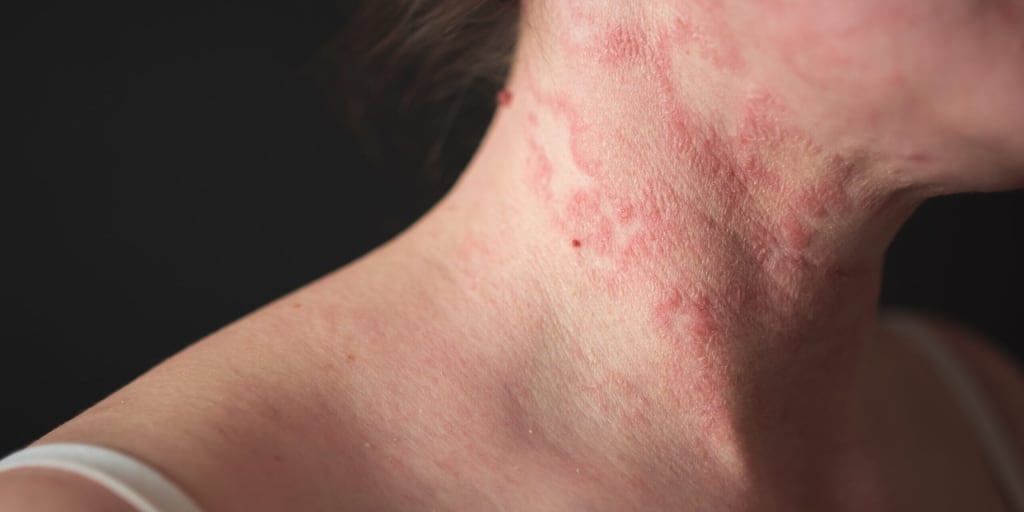
Eczema is a long-term skin condition that affects millions of people worldwide, impacting both physical comfort and emotional well-being. Characterised by dry, itchy, inflamed, and sometimes cracked skin, eczema can interfere with daily life, sleep, and confidence. While there is no single cure, choosing the right eczema treatment cream is one of the most effective ways to manage symptoms and reduce flare-ups. Understanding how these creams work and how to use them correctly is key to finding an effective treatment for eczema.
Understanding Eczema and Why It Persists
Eczema, commonly referred to as atopic dermatitis, occurs when the skin’s protective barrier is compromised. This weakened barrier allows moisture to escape and irritants, allergens, and bacteria to penetrate more easily. As a result, the skin becomes inflamed, dry, and highly sensitive.
Eczema symptoms often fluctuate, with periods of calm followed by sudden flare-ups. Triggers vary from person to person but may include:
Environmental factors such as heat, humidity, or cold weather
Harsh soaps, detergents, or fragranced products
Stress and hormonal changes
Allergens such as dust mites or pollen
Because eczema is influenced by both internal and external factors, effective treatment requires consistent skin care rather than occasional intervention.
The Role of Eczema Treatment Creams in Daily Management
For most individuals, topical treatment forms the foundation of eczema care. An effective eczema treatment cream helps address multiple aspects of the condition, including dryness, inflammation, and skin barrier repair.
Regular use of appropriate creams can:
Relieve itching and discomfort
Reduce redness and inflammation
Restore and strengthen the skin barrier
Minimise the frequency and severity of flare-ups
Rather than acting as a quick fix, eczema creams are most effective when used as part of a long-term skin maintenance routine.
Different Types of Eczema Treatment Creams
Not all eczema creams serve the same purpose. Understanding their functions helps individuals select an effective treatment for eczema based on symptom severity and skin needs.
1. Moisturising Creams and Emollients
Moisturisers are the cornerstone of eczema management. They replenish lost moisture and create a protective layer on the skin, reducing dryness and sensitivity. Creams and ointments are generally preferred over lotions, as they contain more oil and provide longer-lasting hydration.
Common beneficial ingredients include ceramides, glycerin, shea butter, and colloidal oatmeal. These components help restore the skin barrier and soothe irritation.
2. Anti-Inflammatory Creams
During active flare-ups, anti-inflammatory creams may be needed to calm redness and itching. Mild topical corticosteroids are often prescribed for short-term use under medical supervision. For individuals who cannot tolerate steroids or require longer-term management, non-steroidal alternatives may be recommended.
These treatments should always be used according to professional advice to avoid potential side effects.
3. Barrier Repair Creams
Barrier repair creams are designed to strengthen the skin’s natural defence system. By replenishing essential lipids and supporting barrier function, these creams help prevent moisture loss and reduce sensitivity to external triggers. They are especially beneficial for individuals with frequent or chronic flare-ups.
What Makes an Eczema Treatment Cream Effective?
Choosing an effective eczema treatment cream goes beyond brand recognition or price. Several factors determine how well a product works for a particular individual.
An effective treatment for eczema typically includes:
Gentle formulations: Fragrance-free and hypoallergenic products reduce the risk of irritation
Long-lasting hydration: Deep moisturisation helps prevent recurring dryness
Barrier support: Ingredients that repair the skin barrier improve long-term outcomes
Consistency: Regular, daily application is essential for sustained improvement
Many dermatologists recommend products evaluated or recognised by organisations such as the National Eczema Association, which assesses products for suitability on eczema-prone skin.
How to Use Eczema Treatment Creams for Best Results
Even the most carefully chosen eczema treatment cream may be less effective if not applied correctly. Proper usage plays a major role in symptom control.
Best practices include:
Applying moisturisers immediately after bathing to lock in moisture
Using creams at least twice daily, even when symptoms improve
Applying treatments gently rather than rubbing aggressively
Continuing maintenance use during symptom-free periods
Consistency helps stabilise the skin barrier and reduces the likelihood of sudden flare-ups.
Supporting Eczema Treatment with Lifestyle Habits
Topical creams work best when paired with supportive daily habits. Lifestyle adjustments can significantly enhance the effectiveness of eczema treatment creams.
Helpful habits include:
Using mild, soap-free cleansers
Avoiding long, hot showers that strip natural oils
Wearing breathable fabrics such as cotton
Identifying and minimising personal triggers
Managing stress, which is a known eczema aggravator
By addressing both internal and external factors, individuals can achieve better control over their symptoms.
When Over-the-Counter Creams May Not Be Enough
While many people find relief using over-the-counter eczema treatment creams, persistent or severe symptoms may require professional evaluation. Signs that medical advice is needed include:
Frequent flare-ups despite consistent care
Intense itching that disrupts sleep
Cracked or infected skin
Eczema spreading to new areas
A healthcare professional can assess the condition and recommend prescription treatments or a customised care plan to achieve more effective results.
Long-Term Expectations for Eczema Management
It is important to approach eczema treatment with realistic expectations. An effective treatment for eczema focuses on management rather than elimination. With the right combination of creams, habits, and professional guidance, many individuals experience fewer flare-ups and improved skin comfort over time.
Long-term success often depends on:
Early intervention during flare-ups
Ongoing maintenance, even during clear periods
Willingness to adjust products as skin needs change
Patience and consistency are essential components of effective eczema care.
Finding the Right Eczema Treatment Cream
Eczema can be a challenging condition, but it is manageable with the right approach. Choosing a suitable eczema treatment cream, using it consistently, and supporting it with healthy skincare habits can form an effective treatment for eczema. Rather than searching for instant solutions, focusing on skin barrier repair, hydration, and long-term maintenance leads to more sustainable improvement and healthier skin over time.
About the Creator
Keep reading
More stories from Zair Fateh Ali and writers in Futurism and other communities.
I Let AI Run My Life for 7 Days — What Happened Shocked Me
Artificial intelligence has quietly become part of everyday life. It recommends what we watch. It suggests what we buy. It helps us write emails, plan trips, and organize our schedules. But one question kept lingering in my mind: What would happen if I stopped making my own daily decisions and let AI do it instead? Not just small things like choosing a playlist or writing a message. I mean bigger choices — how I structured my day, what I ate, when I worked, when I relaxed, and even how I spent my free time.
By Stephanie Edwardsabout 20 hours ago in Futurism
GCC Generic Injectables Market Outlook: Growth Drivers, Competitive Landscape & Emerging Trends
According to IMARC Group's latest research publication, "GCC Generic Injectables Market: Industry Trends, Share, Size, Growth, Opportunity and Forecast 2025-2033", The GCC generic injectables market size reached USD 761.0 Million in 2024. Looking forward, IMARC Group estimates the market to reach USD 1,893.0 Million by 2033, exhibiting a growth rate of 10.7% during 2025-2033.
By Abhay Rajput4 days ago in Futurism


Comments
There are no comments for this story
Be the first to respond and start the conversation.