
Decode DTC Codes with Confidence: Expert Tips for Truck Drivers
Stay ahead on the road by understanding and managing DTC codes with ease.

Diagnostic Trouble Codes (DTC) play a key role in maintaining the health and efficiency of trucks on the road. These codes serve as a vehicle’s way of communicating problems to drivers and fleet managers, enabling quick and effective action to avoid larger mechanical failures. Understanding and managing DTC codes effectively can mean the difference between smooth operations and costly downtime for trucking businesses.
In this blog, we will break down everything you need to know about DTC codes and offer expert tips to handle them efficiently.
What Are DTC Codes?
DTC codes, short for Diagnostic Trouble Codes, are standardized codes that represent specific issues detected by a vehicle’s onboard diagnostic (OBD) system. These codes help identify problems in a truck’s engine, transmission, emissions system, and other critical components. When something goes wrong, the system triggers a warning light, often the "check engine" light, to alert the driver.
A standard five-character DTC code, such as P0123, encodes specific pieces of diagnostic information:
- Character ≈ Symbol First Code (P): This is the technology module related to the trouble code. For example, ‘P’ stands for Powertrain (engine and transmission), ‘B’ for Body, ‘C’ for Chassis, and ‘U’ for Network (undetermined).
- Second Character (0): This indicates whether the code is generic (0) or manufacturer-specific (1).
- The third character or (1): This refers to a specific subsystem. Let’s say it is (1) fuel and air metering. This is (2), which means an injector circuit problem.
- Fourth and Fifth Characters (23): These characters indicate the fault, revealing which of the subsystem’s components has malfunctioned.
Importance of DTC Codes
Understanding DTC codes is crucial for truck drivers and fleet managers because:
- Timely Repairs: Identifying problems early helps prevent costly repairs and long downtime.
- Safety Assurance: Resolving issues promptly ensures safer driving conditions.
- Regulatory Compliance: For commercial trucks, certain issues related to emissions and safety can lead to regulatory violations if left unaddressed.
By addressing DTC codes as soon as they appear, trucking businesses can avoid increasing problems that disrupt operations and cost time and money.
Common DTC Codes in Trucks
Certain DTC codes appear more frequently in the trucking industry. Being familiar with these can help drivers respond more effectively. Some common examples include:
- P0300 (Random Misfire): Indicates an issue with the engine misfiring.
- P0420 (Catalyst System Efficiency Below Threshold): Points to a problem with the catalytic converter.
- P0299 (Turbocharger Underboost): Signals insufficient boost pressure in the turbocharger.
- P0700 (Transmission Control System Malfunction): Indicates a transmission-related issue.
How to Interpret DTC Codes
Interpreting DTC codes requires a code reader or a diagnostic solution. Here’s a step-by-step guide:
- Connect the Diagnostic Device: Plug the device into the truck’s OBD-II port.
- Retrieve the Codes: Follow the device instructions to access the stored DTC codes.
- Decode the Information: Use the device’s built-in library or consult an online resource to understand each code's meaning.
- Investigate Further: While the code provides a starting point, further inspection may be needed to identify the root cause.
Expert Tips for Managing DTC Codes
Effectively managing DTC codes involves a proactive approach. Here are some expert tips:
- Use Advanced Fleet Management Solutions: Leverage telematics solutions that offer real-time diagnostics and automated alerts. This reduces response times and simplifies code interpretation.
- Train Drivers and Technicians: Equip the drivers with knowledge about common DTC codes and their implications. This helps in quicker decision-making.
- Perform Regular Maintenance: Routine inspections can prevent many issues that trigger DTC codes, ensuring vehicles remain road-ready.
- Keep Diagnostic Tools Handy: Investing in quality diagnostic equipment enables immediate troubleshooting.
- Partner with Trusted Service Providers: Establish relationships with reliable providers to address issues promptly and professionally.
Benefits of Efficient DTC Management
When DTC codes are managed effectively, trucking businesses experience:
- Reduced Downtime: Quick identification and resolution of issues keep vehicles on the road.
- Lower Repair Costs: Addressing problems early prevents expensive repairs.
- Improved Fleet Performance: Well-maintained vehicles operate more efficiently.
- Enhanced Driver Satisfaction: Drivers feel more confident knowing that potential issues are addressed promptly.
Conclusion
DTC codes are more than just warning lights on a dashboard; they are vital solutions for maintaining the health and efficiency of your fleet. By promptly understanding and addressing these codes, trucking businesses can reduce downtime, save on repair costs, and ensure safer operations.
With TruckX’s fleet management solutions, handling DTC codes has never been easier. Our advanced solutions and intuitive platform empower you to take control of your fleet’s health and performance. Start optimizing your operations today and experience the TruckX advantage.
About the Creator
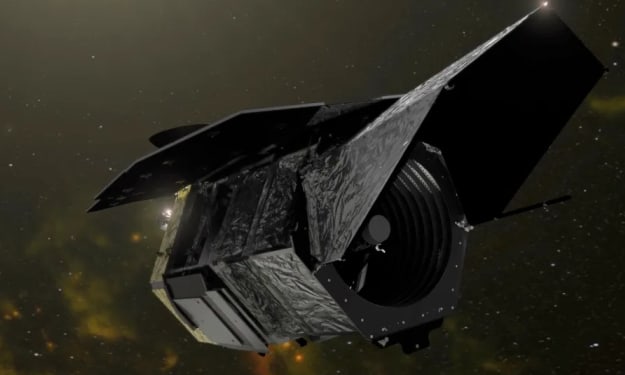
Launch and Scientific Impact of NASA’s Nancy Grace Roman Space Telescope (2026)
In 2026, NASA is preparing to launch one of the most ambitious space observatories of the decade: the Nancy Grace Roman Space Telescope. Designed to survey the universe at an unprecedented scale in near-infrared light, Roman is expected to reshape modern astrophysics by combining high resolution with an extraordinarily wide field of view. If the Hubble Space Telescope revealed the fine details of the cosmos, Roman will provide the panoramic context.
By Holianyk Ihor6 days ago in Futurism
Australia Cold Chain Logistics Market: Temperature-Controlled Capacity, Food & Pharma Demand & Technology Integration
According to IMARC Group, the Australia cold chain logistics market was valued at USD 5.2 Billion in 2025 and is projected to reach USD 7.3 Billion by 2034, exhibiting a compound annual growth rate (CAGR) of 3.80% during 2026–2034. The market’s steady expansion reflects the growing importance of temperature-controlled supply chains across Australia. Rising investments in refrigerated transportation fleets, advanced cold storage warehouses and smart inventory systems are strengthening logistics infrastructure nationwide. As food safety standards tighten and pharmaceutical distribution becomes increasingly complex, cold chain logistics is emerging as a strategic pillar of supply chain resilience.
By Shrestha Roy4 days ago in Futurism
Tatt~Master
— Assembly Line Tatt Machine ~ Impressions to Impress — As I begin to understand more about the Tattoo Phenomenon. I've written silly, yet verbatim, dating site anecdotes in 'Frazzled.' So let me ask you: Would you be More attracted to someone slathered with tattoos, or Less?
By Jay Kantora day ago in Humor



Comments
There are no comments for this story
Be the first to respond and start the conversation.