
Cybersecurity & Ethical Hacking: A Comprehensive Guide for Students
Explore the essentials of cybersecurity and ethical hacking, discover in-demand career paths, and learn how students can build a future in digital defense.

Introduction:
In our modern world, where everything is online, protecting ourselves from cyber threats is essential for people, businesses, and governments. As incidents like data breaches, identity theft, and ransomware attacks increase, there is a growing need for cybersecurity experts and ethical hackers. This guide serves as an all-encompassing resource for students, outlining the basics of cybersecurity and ethical hacking, possible career options, necessary skills, and important certifications.

1. What is cybersecurity?
The field of cybersecurity focuses on safeguarding systems, networks, and software from online threats. Attackers often seek to gain unauthorized access to sensitive information, modify or delete data, demand ransom from individuals, or interrupt regular business operations.
Key Goals of Cybersecurity:
• Confidentiality: Making sure that only people who are allowed can access certain information.
• Integrity: Keeping data accurate and trustworthy.
• Availability: Allowing users who have permission to reach the information and systems whenever they require them.
Cybersecurity includes various areas such as:
• Network security• Application security
• Information security
• Operational security
• Disaster recovery and business continuity

2. What is ethical hacking?
Ethical hacking, often referred to as "white-hat" hacking, is the practice of legally accessing computers and devices to evaluate an organization’s security measures. Unlike hackers with harmful intentions, ethical hackers operate with authorization and use their expertise to enhance cybersecurity.
Typical Objectives of Ethical Hacking:
- Identify and resolve weaknesses
- Avoid data theft
- Strengthen overall system protection
- Instruct businesses and individuals on cyber threats
Ethical hackers replicate the strategies and methods of harmful hackers, but instead of
taking advantage of weaknesses, they share their discoveries with the organization.

3. Different Types of Hackers:
It is crucial for those interested in ethical hacking to comprehend the various types of hackers. Each type is characterized by its purpose, methods, and respect for legal and ethical standards.
Category & Description:
White Hat : These are ethical hackers who leverage their expertise to find and resolve weaknesses within systems. They act with permission, aiming to enhance cybersecurity.
Black Hat: These hackers engage in malicious activities to benefit themselves financially, politically, or personally. They operate unlawfully and can cause major harm.
Grey Hat: This group exists in the middle ground, displaying both ethical and unethical tendencies. They might find vulnerabilities without authorization but usually don’t exploit them to cause damage.
Script Kiddies:Novice users who depend on ready-made tools and scripts for conducting simple attacks, often lacking a deep understanding of the technology involved.
Recognizing these categories not only informs students about the ethical landscape of cybersecurity but also aids them in selecting a suitable career path.

4. Frequently Encountered Cybersecurity Risks:
An important part of staying safe in the digital realm is being aware of the types of threats that can impact individuals and systems. Below are some of the most prevalent and serious cybersecurity risks:
Phishing: Deceptive communications, often through emails, intended to mislead recipients into providing confidential details like passwords or credit card information.
Malware: A broad category that encompasses harmful software, including viruses, worms, spyware, and trojans, which compromise systems to steal, alter, or erase information.
Ransomware: A specific type of malware that prevents users from accessing their systems or encrypts files until a ransom is paid.
DDoS Attacks: Overwhelming a network or website with traffic to bring it down.
SQL Injection: Exploiting vulnerabilities in applications to access databases.
Understanding these threats is the first step toward defending against them. By learning about how they work, individuals interested in cybersecurity can better anticipate and minimize risks.

5. Skills Required for Cybersecurity & Ethical Hacking:
To succeed in this field, students should build both technical and soft skills:
Technical Skills:
• Knowledge of operating systems (especially Linux)
• Networking concepts (TCP/IP, DNS, firewalls)
• Programming/scripting (Python, JavaScript, Bash)
• Familiarity with penetration testing tools (Nmap, Metasploit, Burp Suite)
• Understanding of encryption and cryptography
Soft Skills:
• Analytical thinking
• Attention to detail
• Communication skills
• Problem-solving
• Ethical judgment

6. Leading Certifications for Career Growth:
Certifications confirm your skills and boost your job prospects. Below are some well-known options:
• CEH (Certified Ethical Hacker): Teaches methods and tools used by hackers.
• CompTIA Security+: A basic certification for foundational IT security knowledge.
• CISSP (Certified Information Systems Security Professional): A higher-level credential for skilled professionals.
• OSCP (Offensive Security Certified Professional): A complex certification aimed at penetration testers.
• CISA/CISM: Concentrate on information security auditing and management.
Most of these credentials involve a combination of studying, practical experience, and passing an exam.

7. Instruments Employed in Ethical Hacking:
A variety of instruments are employed by ethical hackers to assess system weaknesses. Important instruments consist of:
• Nmap: A network scanner that detects devices and open ports.
• Wireshark: A packet analyzer that observes network traffic.
• Metasploit: An exploitation framework to pinpoint vulnerabilities.
• John the Ripper: A tool for cracking passwords.
• Burp Suite: A tool for testing the security of web applications.
Gaining practical experience with these instruments is crucial for developing skills.

8.Job Prospects:
The need for cybersecurity experts is increasing in various sectors. Some potential job titles are:
• Ethical Hacker (Penetration Tester)
• Security Analyst
• Cybersecurity Advisor
• Security Engineer
• Incident Responder
• Malware Specialist.
Every type of organization, from large tech firms to financial institutions and government bodies, seeks cybersecurity talent to protect their digital resources.

9.Getting Started as a Student:
For students aiming to work in cybersecurity or ethical hacking, here are some steps to follow:
1.Develop a strong understanding of networking and operating systems.
2. Begin learning programming—Python is a great option to start with.
3. Enroll in free or paid online courses offered by sites such as Coursera, Udemy, or
TryHackMe.
4. Establish a home lab using VirtualBox or VMware for practice in a safe environment.
5. Join Capture The Flag (CTF) challenges and online contests to gain experience.
6. Obtain relevant certifications to demonstrate your skills.
7. Keep up with the latest trends by reading cybersecurity blogs, listening to podcasts, and engaging in forums.
10. Ethical Considerations:
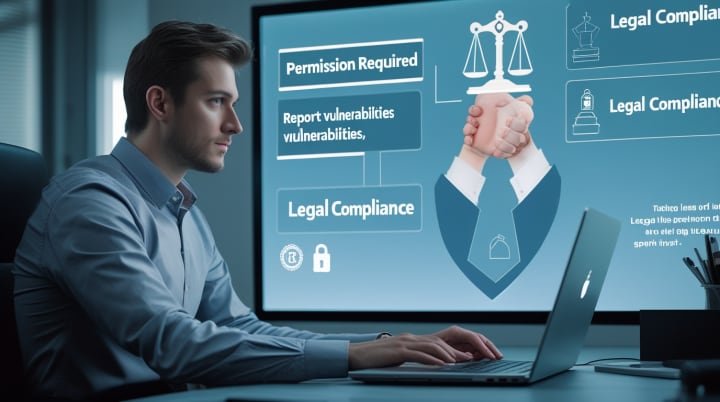
Ethical hackers must follow strict rules of engagement:
1.Always obtain permission before testing systems.
2.Report all vulnerabilities to the appropriate stakeholders.
3.Never exploit or leak data found during testing.
4.Follow legal and organizational guidelines.
Misusing your skills can lead to legal consequences and permanent bans from the industry.

Conclusion:
Cybersecurity and ethical hacking are exciting, fast-growing fields with immense opportunities for students. As threats evolve, so must our defenses. By gaining the right skills, certifications, and ethical mindset, you can build a rewarding career that protects digital landscapes around the world.
Whether you're aiming to become a penetration tester or a cybersecurity consultant, starting early with the right resources will give you a significant edge. Begin today, and contribute to building a safer digital future.
About the Creator
Keep reading
More stories from Shahjahan Kabir Khan and writers in Futurism and other communities.
The Quantum Awakening: How Google’s Velo Chip Just Redefined the Limits of Reality
For decades, the idea of quantum computing lived in the realm of theory—an elegant fantasy confined to whiteboards and science journals. Engineers and physicists dreamt of machines that could harness the strange, unpredictable laws of the quantum world. But until now, that dream seemed distant.
By Shahjahan Kabir Khan4 months ago in Futurism
Rivian R2: A New Chapter in Electric Adventure Vehicles
Electric vehicles are no longer rare sights on the road, yet some announcements still capture public imagination in a powerful way. The Rivian R2 is one of those moments. When people first heard about this upcoming SUV, curiosity spread quickly. Drivers who love outdoor travel, quiet roads, and modern technology started wondering what Rivian might create next. The company already built a reputation for electric trucks and SUVs designed for exploration. Now the Rivian R2 promises something different: a vehicle that could bring that spirit to a wider audience. It represents more than a new model. For many people watching the electric vehicle market, the Rivian R2 signals a shift toward practical adventure, everyday usability, and a future where electric driving feels natural.
By Muqadas khan2 days ago in Futurism
A Transparent Look at Vocal Challenges and Top Stories
Almost three years ago, we shared a resource article that served as a place for people to suggest new challenge prompts. We thought it would be a good idea to refresh that thread, and take the opportunity to answer a few common questions about top stories, how challenges are judged and how submissions are reviewed.
By Vocal Curation Team2 days ago in Resources


Comments
There are no comments for this story
Be the first to respond and start the conversation.