
Crypto: The boom economy
The emerging digital currency evolution.
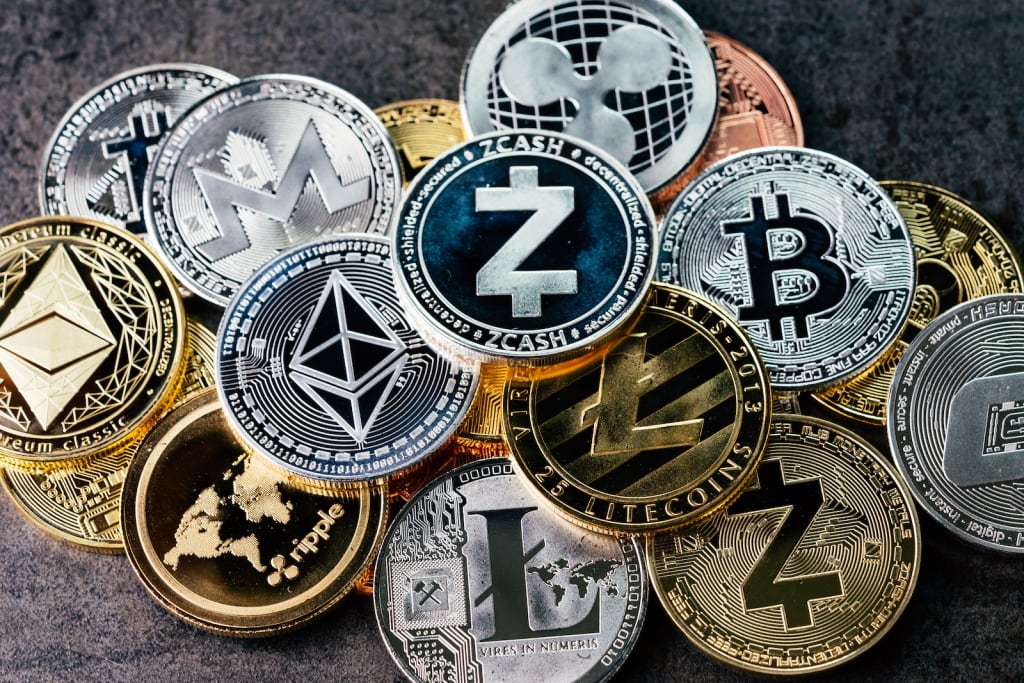
In recent years, cryptocurrencies have been gaining more attention and popularity among investors and the general public alike. But what exactly is cryptocurrency, and why is it considered an emerging currency? In this article, we'll explore the basics of cryptocurrency and its rise in popularity, as well as some of the potential benefits and drawbacks of this emerging digital currency.
What is Cryptocurrency?
Cryptocurrency is a digital or virtual currency that is secured using cryptography, making it difficult to counterfeit or double-spend. Unlike traditional currencies, cryptocurrencies are not backed by any government or financial institution, and their value is determined by supply and demand in the market.
The most well-known cryptocurrency is Bitcoin, which was created in 2009 by an anonymous individual or group using the pseudonym Satoshi Nakamoto. Since then, thousands of other cryptocurrencies have been created, each with their own unique features and use cases.
Why is Cryptocurrency Considered an Emerging Currency?
One of the main reasons that cryptocurrency is considered an emerging currency is its relatively new status in the financial world. Cryptocurrencies have only been around for a little over a decade, and they are still not widely accepted as a form of payment by merchants and businesses.
However, there are several factors that are contributing to the growing popularity of cryptocurrency as a legitimate currency:
1. Decentralization - Cryptocurrencies are decentralized, meaning they are not controlled by any government or financial institution. This makes them resistant to government interference or manipulation, and gives users more control over their finances.
2. Security - Cryptocurrencies are secured using cryptography, which makes them difficult to counterfeit or double-spend. This makes them a more secure form of currency compared to traditional fiat currencies.
3. Transparency - Cryptocurrencies operate on a public ledger called a blockchain, which allows for transparent and secure transactions. This makes it easier to track transactions and prevent fraud or corruption.
4. Potential for Growth - Cryptocurrencies are still relatively new, and as more people become familiar with them, their value and popularity could continue to grow.
Benefits of Cryptocurrency:
There are several potential benefits of using cryptocurrency as a form of currency:
1. Lower Transaction Fees - Cryptocurrencies generally have lower transaction fees compared to traditional payment methods, such as credit cards or bank transfers.
2. Faster Transactions - Cryptocurrency transactions can be processed much faster than traditional payment methods, which can be especially useful for international transactions.
3. Increased Security - Cryptocurrencies are secured using cryptography, making them a more secure form of currency compared to traditional fiat currencies.
4. Financial Freedom - Cryptocurrencies are decentralized, meaning they are not controlled by any government or financial institution. This gives users more control over their finances and can provide a greater sense of financial freedom.
Drawbacks of Cryptocurrency:
There are also some potential drawbacks to using cryptocurrency as a form of currency:
1. Volatility - Cryptocurrencies are highly volatile and their value can fluctuate rapidly. This can make them a risky investment and can make it difficult to use them as a stable form of currency.
2. Limited Acceptance - Cryptocurrencies are not yet widely accepted as a form of payment by merchants and businesses. This can make it difficult to use them for everyday purchases.
3. Security Risks - While cryptocurrencies are secured using cryptography, they are still vulnerable to security breaches and hacking attacks. This can put users' funds at risk.
Conclusion
Cryptocurrency is a relatively new and emerging form of currency that has gained popularity in recent years. While there are some potential benefits to using cryptocurrency, such as lower transaction fees and increased security, there are also some potential drawbacks, such as volatility and limited acceptance
About the Creator
Keep reading
More stories from Salman Faris and writers in Futurism and other communities.
Cell Dissociation Market Outlook: Advancements in Cell-Based Research and Growth Opportunities
According to IMARC Group's latest research publication, The global cell dissociation market size reached USD 404.8 Million in 2024. Looking forward, IMARC Group expects the market to reach USD 1,186.4 Million by 2033, exhibiting a growth rate (CAGR) of 12.06% during 2025-2033.
By James Whitman2 days ago in Futurism
Plant-Based Food Market: How AI and Innovation Are Shaping the Future of Sustainable Nutrition
Introduction The global food industry is undergoing a significant transformation as consumers shift toward healthier and more sustainable dietary choices. One of the most prominent trends emerging from this shift is the growing popularity of plant-based foods. These products are derived entirely from plant sources such as soy, peas, almonds, oats, coconut, and other plant ingredients, offering alternatives to traditional animal-based products.
By James Smith3 days ago in Futurism
Bomb Scare
It was 2027, and the world never thought it would happen. A missle hit the United States, but it wasn't where they had anticipated. A little town in the northeast was hit by a missile strike, they didn't know why, and they didn't know exactly where it hit, but they did know it was a coastal community, somewhere between Maine and Delaware.
By Gregory Payton6 days ago in Fiction




Comments
There are no comments for this story
Be the first to respond and start the conversation.