
Cross-Platform vs. Native App Development: What Developers Should Know
Choosing the Right Approach to Build High-Performing and Cost-Effective Mobile Apps

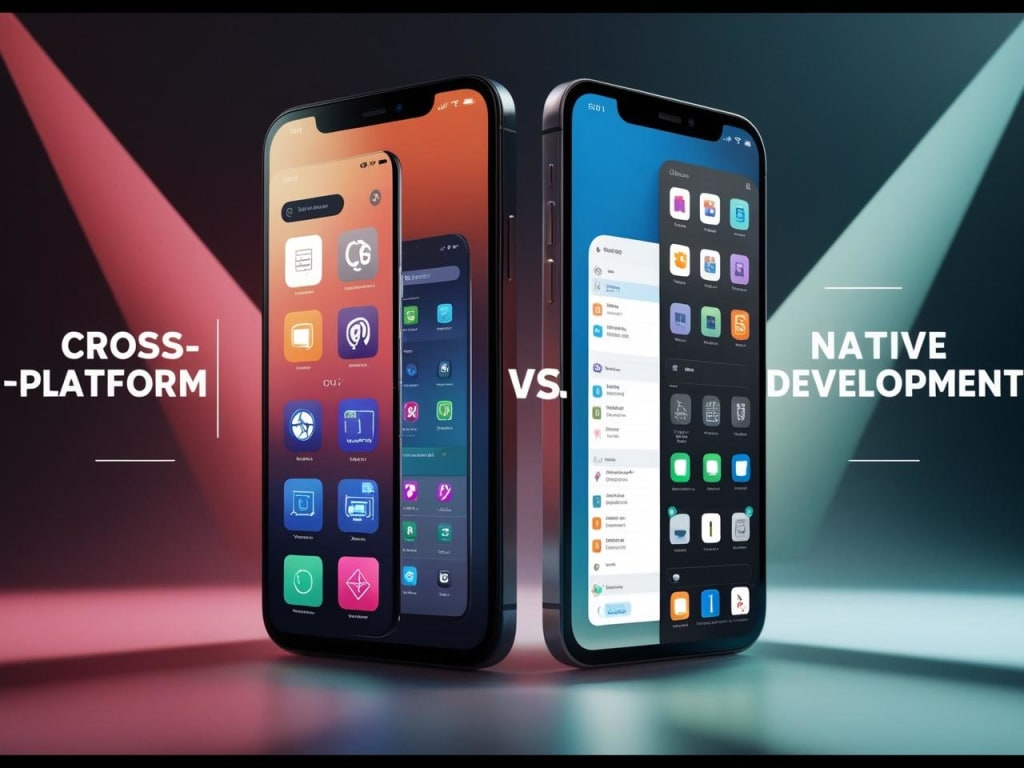
Choosing the right development approach is crucial for building successful mobile apps. Developers often face the big question: Should they opt for cross-platform app development or go native? Each method has unique strengths, weaknesses, and specific use cases. Let’s break it down in simple terms to help you make the best decision.
What Is Cross-Platform App Development?
Cross-platform app development allows developers to create a single codebase that works on multiple platforms, like iOS and Android. This approach saves time, resources, and effort compared to writing separate code for each platform. Think of it as a "write once, run everywhere" philosophy.
Popular frameworks like Flutter, React Native, and Xamarin are leading the charge in this space. For instance, Flutter is widely used for its fast rendering and native-like feel. React Native, developed by Facebook, powers apps like Instagram and Airbnb, proving its capability in real-world applications.
Key Advantages of Cross-Platform Development
- Cost-Effective: You only write one codebase, which reduces development costs significantly.
- Faster Time-to-Market: With fewer resources needed, apps can be launched more quickly.
- Broader Reach: Your app can reach both iOS and Android users simultaneously.
Challenges of Cross-Platform Development
While the benefits are clear, there are limitations too:
- Performance Issues: Cross-platform apps may not match the speed and responsiveness of native apps.
- Device-Specific Bugs: Debugging can be tricky when trying to solve platform-specific problems.
- Limited Hardware Access: Some advanced features, like AR and VR, may be harder to implement.
What Is Native App Development?
Native app development focuses on building apps specifically for a single platform, like iOS or Android. Developers use platform-specific languages like Swift for iOS and Kotlin for Android. Native apps are known for their high performance, superior user experience, and seamless integration with device features.
Key Advantages of Native Development
- Performance: Native apps are faster and more reliable.
- User Experience: They offer smooth, tailored experiences that align with platform guidelines.
- Hardware Integration: Native apps have better access to device-specific features like cameras, GPS, and sensors.
Challenges of Native Development
- Higher Costs: You’ll need separate teams for iOS and Android, which increases expenses.
- Longer Development Time: Since two codebases are required, development takes more time.
- Limited Audience Initially: Apps built for one platform exclude users on the other until additional development is done.
Cross-Platform vs. Native: A Head-to-Head Comparison
Let’s dive deeper into how these approaches stack up against each other.
Performance
Native apps win here. They are built with platform-specific tools, making them faster and more responsive. On the other hand, cross-platform apps rely on frameworks, which can slow things down, especially for complex applications like games.
Example: WhatsApp’s smooth functionality is partly due to its native development. In contrast, some cross-platform apps may struggle with heavy animations.
Cost and Time
If you’re on a tight budget, cross-platform development is the way to go. It’s a lifesaver for startups and small businesses looking to reach a broader audience quickly. Native development, however, demands a bigger investment upfront.
Case Study: A small business developing an e-commerce app chose React Native to save 40% on development costs and launch faster.
User Experience
Native apps shine when it comes to user experience. They feel more "at home" on their respective platforms. Cross-platform apps often compromise on design consistency, leading to a less polished experience.
Hypothetical Example: Imagine a fitness app that uses advanced tracking. Native development ensures smooth integration with sensors, while cross-platform frameworks might struggle to deliver the same precision.
Use Cases
Cross-Platform: Best for startups, small businesses, or apps with simple functionalities like e-commerce or content delivery.
Native: Ideal for performance-intensive apps like games or those requiring extensive hardware access.
Factors to Consider When Choosing
Target Audience and Market
If your audience is evenly split between iOS and Android, cross-platform development makes sense. However, if your app caters to a niche group—like iOS users in the U.S.—native development might be better.
Budget and Resources
Consider your financial and human resources. Cross-platform tools allow smaller teams to achieve more, while native apps require specialized developers for each platform.
Features and Functionality
If your app needs complex features, such as AR/VR or deep hardware integration, native development is the safer choice. For simpler apps, cross-platform frameworks work just fine.
Emerging Trends in App Development
Progressive Web Apps (PWAs)
PWAs offer an alternative to traditional app development. They combine the best of web and mobile apps, working seamlessly across devices without requiring installation.
AI and Low-Code Tools
Low-code platforms and AI-driven solutions are making app development more accessible. Tools like OutSystems and Mendix allow developers to build apps faster with minimal coding.
Conclusion: Making the Right Choice
There’s no one-size-fits-all answer to the cross-platform vs. native debate. The right choice depends on your app’s purpose, audience, and budget. If you need a high-performance app with advanced features, native development is worth the investment. For broader reach and cost-efficiency, cross-platform development is an excellent option.
Whatever path you choose, ensure your app aligns with your business goals and delivers a great user experience. Test frameworks like Flutter or React Native to see if they meet your needs. Remember, the ultimate goal is to create an app that users love.
FAQs
What is the cost difference between native and cross-platform development? Cross-platform development is generally 30-40% cheaper than native development due to the shared codebase.
Which framework is best for cross-platform apps? Flutter and React Native are the top choices for their performance and community support.
Can a hybrid app match the performance of a native app? While hybrid apps have improved, native apps still outperform in speed and responsiveness, especially for complex applications.
By weighing these options carefully, you can make an informed decision that sets your app up for success.
About the Creator
LBM Solution
LBM Solution is a top provider of cutting-edge Mobile App Solutions and blockchain services for businesses and government organizations globally. We assist our clients in overcoming complex business challenges
Keep reading
More stories from LBM Solution and writers in Futurism and other communities.
How Blockchain is Transforming Industries Beyond Finance
Blockchain technology has long been associated with the financial sector, thanks to the rise of cryptocurrencies such as Bitcoin and Ethereum. However, blockchain's development services extend far beyond finance. As a decentralized, immutable ledger technology, blockchain is now being adopted across various industries, offering transparency, security, and efficiency in ways that are transforming business operations. From supply chain management to healthcare and government sectors, blockchain is proving to be a versatile solution that enhances productivity, trust, and innovation.
By LBM Solutionabout a year ago in 01
About Binding Prometheus
I want to start actively advocating on behalf of my own work, and the most valuable part of my canon is, without a doubt, Binding Prometheus, the play I have been working on since 2019 and only finished in 2023 as part of my MA. The play itself is an amalgamation of a million different inspirations. On one end, it evokes the Ancient Greek myth-play, deriving its own title from the earliest extant work of Western drama we have, Aeschylus’s Prometheus Bound. On the other end, it borrows significantly from the sci-fi bulwarks from over the years, namely Mary Shelley’s Frankenstein and Karel Capek’s Rossum’s Universal Robots. The play could be an episode of Black Mirror, I fear. I don’t know. I’ve only ever seen one episode of Black Mirror.
By Steven Christopher McKnight21 days ago in Futurism
Global E-Commerce Market Size and Forecast 2025–2033: A Digital Economy in Hypergrowth
Introduction: The Digital Marketplace Enters a New Era The global e-commerce market has moved far beyond convenience—it is now a central pillar of the modern economy. What began as a niche alternative to brick-and-mortar shopping has evolved into a sophisticated digital ecosystem powered by artificial intelligence, advanced logistics, secure digital payments, and cross-border connectivity. Consumers today expect faster delivery, personalized recommendations, and frictionless payment experiences, and e-commerce platforms are racing to meet those demands.
By Sushant. Renub Researchabout 18 hours ago in Futurism


Comments
There are no comments for this story
Be the first to respond and start the conversation.