
Crafting Visual Data Stories in the Automated Data Science Landscape
Mastering Visual Data Storytelling in Automated Data Science

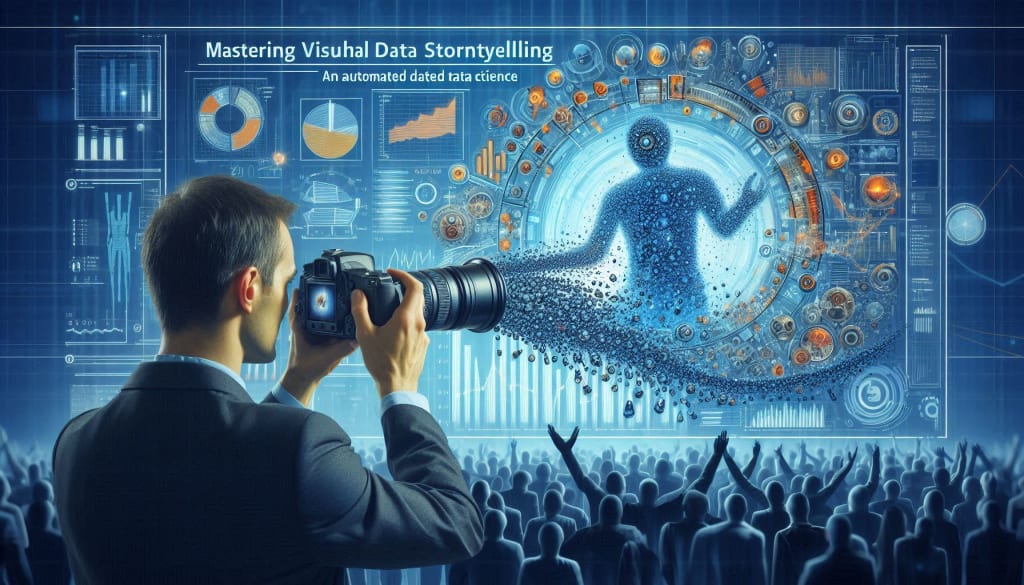
In the era of automated data science, raw numbers alone are no longer enough to drive impactful decisions. The ability to translate complex datasets into compelling visual narratives is essential for businesses, analysts, and decision-makers. This process, known as visual data storytelling, combines data visualization techniques with narrative elements to create engaging, easy-to-understand insights.
As artificial intelligence (AI) takes center stage in data science, tools and platforms are making it easier to generate, analyze, and present data-driven stories. But how can businesses craft meaningful data narratives in an increasingly automated landscape? Let’s explore the role of automated data science, the best data visualization techniques, and the importance of AI in crafting compelling visual stories.
The Rise of Automated Data Science
Automated data science refers to the use of AI-powered platforms to handle data processing, analysis, and visualization with minimal human intervention. These tools enable businesses to:
- Process massive datasets efficiently
- Identify patterns and trends automatically
- Generate predictive models with AI assistance
- Present insights in visually compelling formats
One such platform revolutionizing this space is DataRobot. If you're wondering what does DataRobot do, it automates machine learning processes, making advanced analytics accessible to non-technical users.
The Role of Data Visualization in Storytelling
At the heart of crafting data narratives lies effective visualization. Charts, graphs, and interactive dashboards transform complex figures into digestible insights. Some of the most effective data visualization techniques include:
- Infographics – Combining statistics with graphics for storytelling
- Heatmaps – Highlighting intensity variations within data
- Scatter Plots & Bubble Charts – Showcasing relationships and trends
AI in Data Science: Enhancing Storytelling
AI is not just automating data science—it’s also transforming the way we tell stories with data. AI-driven visualization tools offer:
- Real-time data analysis – Instant insights for dynamic storytelling
- Automated anomaly detection – Highlighting trends and outliers
- Natural language processing (NLP) – Turning datasets into textual summaries
- Personalized dashboards – Tailoring reports to specific audiences
With AI, businesses can create not only visually appealing but also actionable data stories that drive better decision-making.
Best Practices for Crafting Effective Data Narratives
To maximize the impact of visual data storytelling, consider the best practices:
1. Know Your Audience
Tailor your visualizations to match the needs and expertise of your viewers. Executives may prefer high-level summaries, while data analysts might require deeper insights.
2. Choose the Right Visualization Type
Using the wrong chart can lead to misinterpretation. Ensure your visual elements match the type of data being presented.
3. Keep It Simple and Clear
Avoid cluttered visuals—simplicity enhances comprehension. Stick to clean layouts and focus on key takeaways.
4. Use AI to Enhance Storytelling
Leverage AI-powered platforms to automate tedious tasks, allowing more focus on crafting engaging and insightful narratives.
5. Make It Interactive
Interactive dashboards and drill-down reports increase engagement and provide deeper insights based on user preferences.
The Future of Visual Data Storytelling
As AI and automation continue to evolve, visual data storytelling will become even more dynamic . Future trends include:
- Augmented reality (AR) and virtual reality (VR) in data visualization
- More intuitive AI-driven analytics platforms
- Greater integration of AI-generated narratives with real-time insights
Businesses that embrace these advancements will gain a competitive edge by transforming raw data into compelling, decision-driving stories.
Conclusion
In today’s automated data science landscape, crafting engaging data narratives is essential for making sense of complex information. By leveraging AI in data science, adopting effective data visualization techniques, and understanding audience needs, businesses can transform raw numbers into compelling, actionable stories. As technology advances, mastering the art of visual data storytelling will be key to making informed, strategic decisions in an increasingly data-driven world.
About the Creator
Salvina Gorges
Experienced AI tools expert providing in-depth reviews and insights into the latest AI-powered solutions, helping businesses and professionals leverage technology for smarter decision-making and enhanced efficiency.
Keep reading
More stories from Salvina Gorges and writers in Futurism and other communities.
The Future of AI in Digital Art: Trends to Watch in 2025
The intersection of artificial intelligence and digital art is no longer a futuristic concept; it's a vibrant, evolving reality. As we move closer to 2025, the landscape of AI digital art is poised for significant transformation, driven by advancements in machine learning and creative software. This article delves into the key trends shaping the future of AI art, providing insights for artists, enthusiasts, and anyone curious about this dynamic field.
By Salvina Gorges11 months ago in Futurism
More Electric Aircraft Market: Next-Gen Aircraft Design, Electrical Systems & Growth Outlook
According to IMARC Group's latest research publication, The global more electric aircraft market size was valued at USD 2.45 Billion in 2024. Looking forward, IMARC Group estimates the market to reach USD 7.8 Billion by 2033, exhibiting a CAGR of 13.7% from 2025-2033.
By James Whitman3 days ago in Futurism
E-Fuel Market: Renewable Energy Integration, Power-to-Liquid Technology & Market Forecast
According to IMARC Group's latest research publication, the global e-fuel market size is projected to exhibit a growth rate (CAGR) of 29.43% during 2025-2033. The increasing demand for renewable energy solutions, technological advancements and innovations, introduction of favorable government policies and incentives, and the growing automotive industry emphasis on clean energy represent some of the factors that are propelling the market.
By sujeet. imarcgroup6 days ago in Futurism




Comments
There are no comments for this story
Be the first to respond and start the conversation.