
Could Lab-Grown Salmon Be The Future Of Fish?
Grown Salmon, the future of fish?
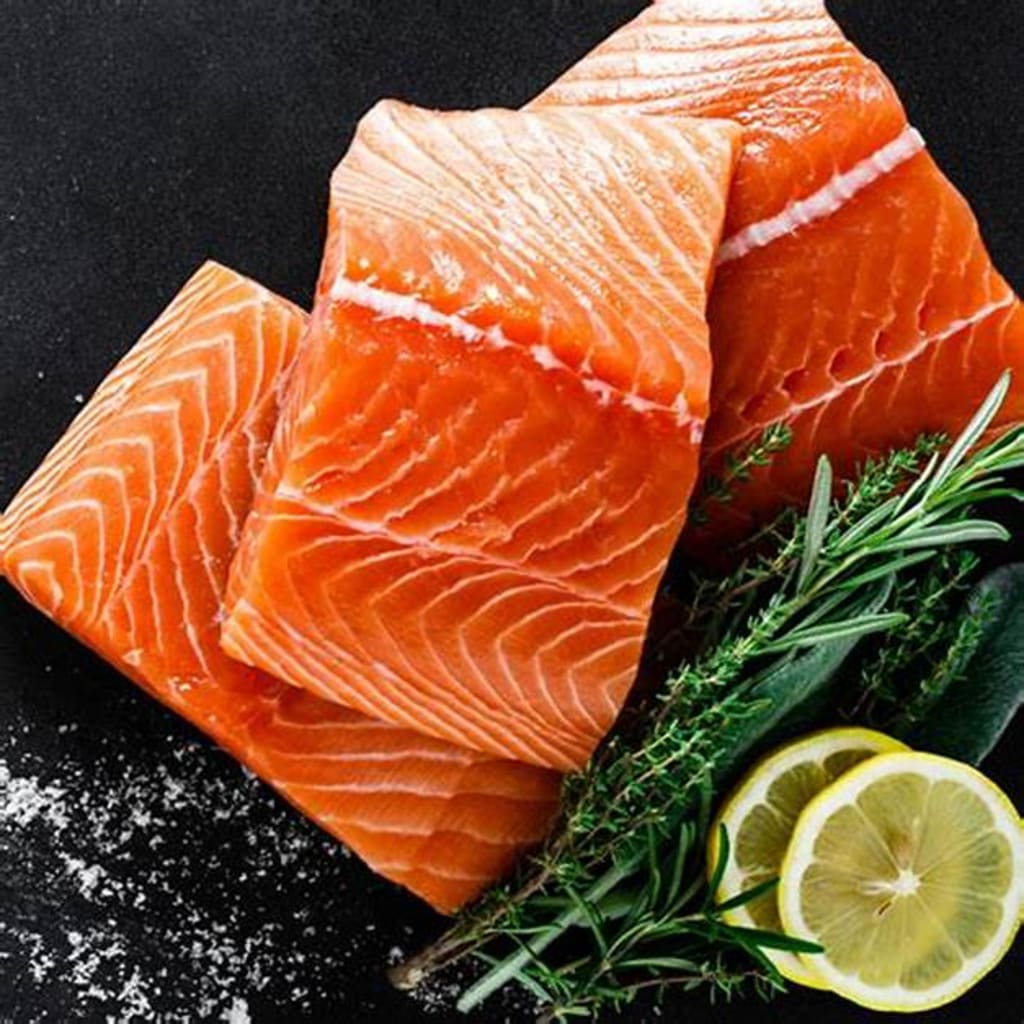
this salmon fillet didn't come from the
sea
it was grown in a lab to look just like
the real thing
there are a lot of questions that people
have number one question is what does it
taste like
salmon is one of the most popular fish
in the u.s
and it usually comes from massive farms
like this
which can cause all kinds of
environmental problems
growing it from cells might one day
offer an alternative
it's going to be a long very hard
journey to get there
foods made this way aren't yet approved
for sale in the u.s or anywhere in the
world except singapore
and even if they were are consumers
likely to see them on a menu anytime
soon
we went to san francisco to try and find
out
for thousands of years salmon were
abundant in what's now north america
but in 1866 european settlers in the
pacific northwest started preserving
salmon by canning it
it was the start of a massive commercial
fishing operation
soon fisheries were catching millions of
pounds of salmon every year
for a while the supply of salmon seemed
limitless but it wasn't
in fact wild salmon populations were
already declining by the late 1800s and
less than a century later some were at
risk of disappearing forever is there a
possibility of seven becoming extinct at
this rate oh there's no question about
it
the idea of farming salmon came about in
the late 60s
by the early 2000s around two-thirds of
the salmon americans were eating was
grown on farms
but that industry comes with its own
problems
farmed salmon are prone to parasite
infestations which can spread to wild
populations and salmon feed is made
partially from other fish
roughly 12 percent of all fish caught
every year are turned into feed for fish
farms and that has a huge impact on
global fish populations especially in
places like peru and senegal
we just need another source of fish and
and that's what we're here to provide
[Music]
all right this is arya elfinbine and
justin kolbeck they co-founded wild type
back in 2016.
last one
their goal was to figure out how to grow
a piece of salmon from cells
i started to think about a lot of my
background in stem cell biology and
wondered do we need animals to
have meat
one last piece it's yours wild type
isn't yet letting cameras inside the lab
where it grows the salmon because the
process is still in development
instead arya explained how it all works
so the first step for us was to
basically isolate the cells
wild type got the cells from coho and
chinook salmon
the cells go into a steel tank like the
kind you'd see in a brewery with
nutrients like sugars and amino acids
the tanks have the right temperature ph
and oxygen level for the cells to grow
and replicate the same way they would
inside of fish but what comes out
afterward still looks nothing like a
piece of salmon that's where something
they call scaffolds come in so if the
product is going to be a block of salmon
we'll create scaffolds that are those
same dimensions and then the cells will
grow into those dimensions
they also help the cells mimic the
textures of muscle and fat the cells
attach to the scaffolds and grow into a
shape similar to the salmon fillet you
would buy at a store
and that over time becomes the final
product the growing process takes four
to six weeks
compare that to the roughly three years
it takes to raise farmed salmon
if it's still hard to wrap your head
around how this is possible you're not
alone
arya and justin introduced us to adam
tortosa a restaurant owner and chef he
works with wild type to test how
lab-grown salmon looks tastes and feels
in real dishes it's just crazy that
they're growing sam and me to be honest
he says it finally looks and feels
pretty close to the real thing
i think if you like blindfolded me and
like had me cut i couldn't tell the
difference
this one i would dip in the soy sauce
but it wasn't always this way they
walked into the restaurant and brought
prototype one it was
kind of wet salmon jerky maybe
now he says even the taste is close it
has the same mouthfeel same fattiness
of course we had to try it for ourselves
the flavor was mild but it really did
have a texture that was close to salmon
i would be happy to serve it to guests
right now
adam's restaurant is the type of place
where wild type hopes to see its salmon
one day
when you go to the sushi bar you're sort
of in an exploratory mindset
the idea was if we're going to introduce
a new way to make this product why not
introduce it in a place where people are
already kind of seeking out a new
experience
the company decided to focus on raw
salmon for its initial product launch
when we decided this was the way we
wanted to go we had a lot of people on
the team thinking like couldn't we start
with something a little easier because
it was very audacious
somehow when i make cut rolls
they look
not as good as this i can never get it
quite right like you can taste oceanic
notes not the sort of like funky fish
flavor
these fancy dishes are
hard to eat from right
this is just one starting point for the
wide variety of different flavors that
this product is capable of
but there are still two big problems
the first is that it isn't even legal to
sell cell cultured foods in the u.s
that's because the fda is still figuring
out how to regulate foods that are made
like this and that process just takes
time right to share how the technology
works and just get the people who
oversee the safety and security of our
food system very comfortable with our
inputs our processes but it's unclear
when the fda will make a decision we
hope it'll be soon
the second challenge is cost a couple
pieces of nigiri
these days would probably cost 40 or 50
bucks ballpark
that's the production cost which means
if they started selling it right now the
cost for consumers would be even higher
nobody's ever created and scaled a
company like this before and
we're trying as hard as we can to move
that along
but but it is really hard
wildtype says as they scale up the costs
will come down but building large
sterile facilities is expensive and some
journalists who have covered the
industry like joe fassler say we
shouldn't expect labs to create
competitively priced products anytime
soon i think the more realistic voices i
talk to in this space understand that it
may be decades
before these products are anything more
than a novelty for the wealthy
it's a challenge that doesn't seem to
have scared investors away
wildtype recently raised a hundred
million dollars with reported
investments from some big names like
leonardo dicaprio and jeff bezos
even though a survey of u.s consumers
showed that only 19 were eager to try
cell cultured foods
this is new zealand farm salmon it's
what we use in the restaurant in san
francisco this is the wild type salmon i
think lab grown meat at the moment
is incredibly divisive there are some
things that really recommend it and
there are some things that you know are
potentially drawbacks and there's also
just a lot that we don't know
arya and justin say they don't expect
lab-grown salmon to become the only
option
our goal is to provide a new source of
fish to take the pressure off our oceans
lab-grown salmon is still a long way
from that goal but i think at the end of
that road lies very nutritious very
accessible foods that are built on 21st
century values
this salmon fillet didn't come from the
sea
it was grown in a lab to look just like
the real thing
there are a lot of questions that people
have number one question is what does it
taste like
salmon is one of the most popular fish
in the u.s
and it usually comes from massive farms
like this
which can cause all kinds of
environmental problems
growing it from cells might one day
offer an alternative
it's going to be a long very hard
journey to get there
foods made this way aren't yet approved
for sale in the u.s or anywhere in the
world except singapore
and even if they were are consumers
likely to see them on a menu anytime
soon
we went to san francisco to try and find
out
for thousands of years salmon were
abundant in what's now north america
but in 1866 european settlers in the
pacific northwest started preserving
salmon by canning it
it was the start of a massive commercial
fishing operation
soon fisheries were catching millions of
pounds of salmon every year
for a while the supply of salmon seemed
limitless but it wasn't
in fact wild salmon populations were
already declining by the late 1800s and
less than a century later some were at
risk of disappearing forever is there a
possibility of seven becoming extinct at
this rate oh there's no question about
it
the idea of farming salmon came about in
the late 60s
by the early 2000s around two-thirds of
the salmon americans were eating was
grown on farms
but that industry comes with its own
problems
farmed salmon are prone to parasite
infestations which can spread to wild
populations and salmon feed is made
partially from other fish
roughly 12 percent of all fish caught
every year are turned into feed for fish
farms and that has a huge impact on
global fish populations especially in
places like peru and senegal
we just need another source of fish and
and that's what we're here to provide
all right this is arya elfinbine and
justin kolbeck they co-founded wild type
back in 2016.
last one
their goal was to figure out how to grow
a piece of salmon from cells
i started to think about a lot of my
background in stem cell biology and
wondered do we need animals to
have meat
one last piece it's yours wild type
isn't yet letting cameras inside the lab
where it grows the salmon because the
process is still in development
instead arya explained how it all works
so the first step for us was to
basically isolate the cells
wild type got the cells from coho and
chinook salmon
the cells go into a steel tank like the
kind you'd see in a brewery with
nutrients like sugars and amino acids
the tanks have the right temperature ph
and oxygen level for the cells to grow
and replicate the same way they would
inside of fish but what comes out
afterward still looks nothing like a
piece of salmon that's where something
they call scaffolds come in so if the
product is going to be a block of salmon
we'll create scaffolds that are those
same dimensions and then the cells will
grow into those dimensions
they also help the cells mimic the
textures of muscle and fat the cells
attach to the scaffolds and grow into a
shape similar to the salmon fillet you
would buy at a store
and that over time becomes the final
product the growing process takes four
to six weeks
compare that to the roughly three years
it takes to raise farmed salmon
if it's still hard to wrap your head
around how this is possible you're not
alone
arya and justin introduced us to adam
tortosa a restaurant owner and chef he
works with wild type to test how
lab-grown salmon looks tastes and feels
in real dishes it's just crazy that
they're growing sam and me to be honest
he says it finally looks and feels
pretty close to the real thing
i think if you like blindfolded me and
like had me cut i couldn't tell the
difference
this one i would dip in the soy sauce
but it wasn't always this way they
walked into the restaurant and brought
prototype one it was
kind of wet salmon jerky maybe
now he says even the taste is close it
has the same mouthfeel same fattiness
of course we had to try it for ourselves
the flavor was mild but it really did
have a texture that was close to salmon
i would be happy to serve it to guests
right now
adam's restaurant is the type of place
where wild type hopes to see its salmon
one day
when you go to the sushi bar you're sort
of in an exploratory mindset
the idea was if we're going to introduce
a new way to make this product why not
introduce it in a place where people are
already kind of seeking out a new
experience
the company decided to focus on raw
salmon for its initial product launch
when we decided this was the way we
wanted to go we had a lot of people on
the team thinking like couldn't we start
with something a little easier because
it was very audacious
somehow when i make cut rolls
they look
not as good as this i can never get it
quite right like you can taste oceanic
notes not the sort of like funky fish
flavor
these fancy dishes are
hard to eat from right
this is just one starting point for the
wide variety of different flavors that
this product is capable of
but there are still two big problems
the first is that it isn't even legal to
sell cell cultured foods in the u.s
that's because the fda is still figuring
out how to regulate foods that are made
like this and that process just takes
time right to share how the technology
works and just get the people who
oversee the safety and security of our
food system very comfortable with our
inputs our processes but it's unclear
when the fda will make a decision we
hope it'll be soon
the second challenge is cost a couple
pieces of nigiri
these days would probably cost 40 or 50
bucks ballpark
that's the production cost which means
if they started selling it right now the
cost for consumers would be even higher
nobody's ever created and scaled a
company like this before and
we're trying as hard as we can to move
that along
but but it is really hard
wildtype says as they scale up the costs
will come down but building large
sterile facilities is expensive and some
journalists who have covered the
industry like joe fassler say we
shouldn't expect labs to create
competitively priced products anytime
soon i think the more realistic voices i
talk to in this space understand that it
may be decades
before these products are anything more
than a novelty for the wealthy
it's a challenge that doesn't seem to
have scared investors away
wildtype recently raised a hundred
million dollars with reported
investments from some big names like
leonardo dicaprio and jeff bezos
even though a survey of u.s consumers
showed that only 19 were eager to try
cell cultured foods
this is new zealand farm salmon it's
what we use in the restaurant in san
francisco this is the wild type salmon i
think lab grown meat at the moment
is incredibly divisive there are some
things that really recommend it and
there are some things that you know are
potentially drawbacks and there's also
just a lot that we don't know
arya and justin say they don't expect
lab-grown salmon to become the only
option
our goal is to provide a new source of
fish to take the pressure off our oceans
lab-grown salmon is still a long way
from that goal but i think at the end of
that road lies very nutritious very
accessible foods that are built on 21st
century values
About the Creator
Keep reading
More stories from TBH Agencia Exclusiva Colsanitas and writers in Futurism and other communities.
About Binding Prometheus
I want to start actively advocating on behalf of my own work, and the most valuable part of my canon is, without a doubt, Binding Prometheus, the play I have been working on since 2019 and only finished in 2023 as part of my MA. The play itself is an amalgamation of a million different inspirations. On one end, it evokes the Ancient Greek myth-play, deriving its own title from the earliest extant work of Western drama we have, Aeschylus’s Prometheus Bound. On the other end, it borrows significantly from the sci-fi bulwarks from over the years, namely Mary Shelley’s Frankenstein and Karel Capek’s Rossum’s Universal Robots. The play could be an episode of Black Mirror, I fear. I don’t know. I’ve only ever seen one episode of Black Mirror.
By Steven Christopher McKnight19 days ago in Futurism
Massage Equipment Market: Ergonomic Innovation, Wellness Demand & Market Momentum
According to IMARC Group's latest research publication, The global massage equipment market size reached USD 8.1 Billion in 2024. Looking forward, IMARC Group expects the market to reach USD 16.3 Billion by 2033, exhibiting a growth rate (CAGR) of 8.08% during 2025-2033.
By James Whitman7 days ago in Futurism



Comments
There are no comments for this story
Be the first to respond and start the conversation.