
Cancer Diagnostics Market: Early Detection & Growth Outlook
The cancer diagnostics market is expanding as healthcare systems prioritize early detection and accurate diagnosis. Rising adoption of precision testing technologies is supporting steady market growth.

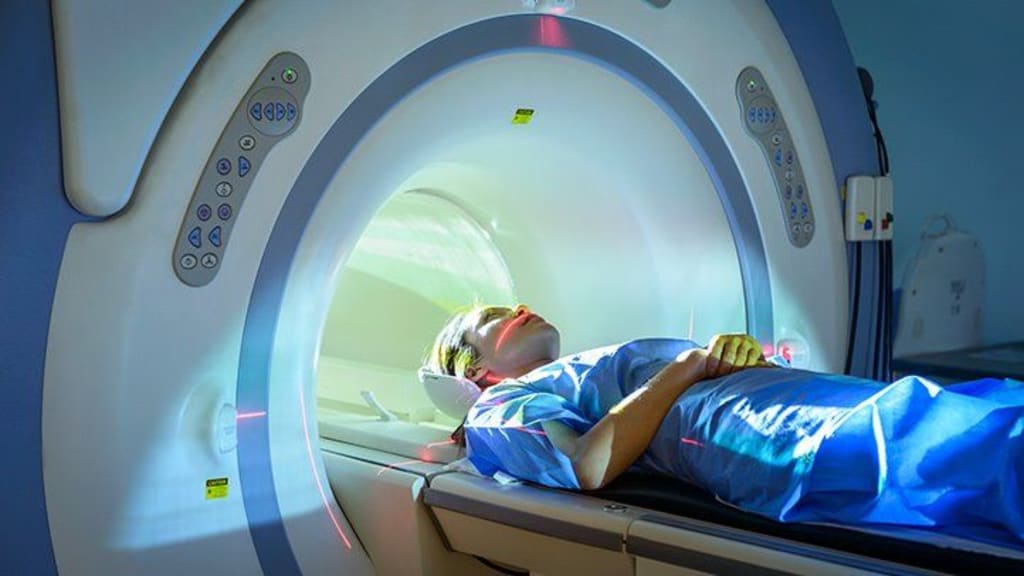
According to IMARC Group's latest research publication, The global cancer diagnostics market size reached USD 207.9 Billion in 2024. Looking forward, IMARC Group expects the market to reach USD 326.2 Billion by 2033, exhibiting a growth rate (CAGR) of 4.88% during 2025-2033.
How AI is Reshaping the Future of Cancer Diagnostics Market
- Enhanced Image Analysis and Pattern Recognition: AI algorithms analyze pathology slides and medical images with exceptional speed and accuracy, identifying subtle tumor patterns that human eyes might miss while reducing diagnostic errors significantly.
- Liquid Biopsy Automation: Machine learning systems detect cancer cells in blood samples within 10 minutes, automating the tedious process of examining millions of cells and enabling faster diagnosis without invasive procedures.
- Predictive Risk Modeling: AI evaluates patient genetic data, lifestyle factors, and clinical history to predict cancer risk and disease progression, supporting personalized treatment planning and early intervention strategies for high-risk individuals.
- Real-Time Clinical Decision Support: Deep learning platforms integrate imaging, genomic, and electronic health records to provide comprehensive diagnostic insights, assisting tumor boards in making evidence-based treatment recommendations that align with expert consensus.
- Biomarker Discovery and Validation: AI identifies novel protein interactions and molecular dependencies in cancer cells by modeling complex biological structures, accelerating the discovery of new diagnostic targets that were previously undetectable through conventional methods.
Cancer Diagnostics Industry Overview:
Healthcare systems worldwide are prioritizing early cancer detection through expanded screening programs and advanced diagnostic infrastructure. The National Breast and Cervical Cancer Early Detection Program has delivered over 16 million screening tests since 1991, detecting more than 80,000 breast cancers and 5,000 cervical cancers. The Cancer Moonshot initiative aims to reduce cancer death rates by 50% over 25 years through accelerated screening and follow-up care. Major health centers have deployed AI-powered diagnostic tools that improve detection rates while reducing errors. A California colorectal cancer screening program doubled participation from 37% to 80% across 1.1 million adults, resulting in 30% fewer cancer cases and 50% fewer deaths, while sharply reducing racial disparities in outcomes.
Access Updated Market Insights in a Free Sample Report
Cancer Diagnostics Market Trends & Drivers:
- The aging population is driving unprecedented demand for cancer diagnostic services globally. By 2030, one in six people worldwide will be 60 or older, with this group reaching 2.1 billion by 2050 according to WHO projections. Older adults face significantly higher cancer risks, requiring regular screenings and continuous monitoring. Healthcare systems are responding by investing in accessible, user-friendly diagnostic technologies designed specifically for elderly patients. This demographic shift is encouraging development of less invasive, easier-to-use diagnostic tools. The emphasis on geriatric care is expanding diagnostic service utilization and fostering innovations in screening methods. Facilities are adding specialized equipment and trained personnel to handle the growing volume of age-related cancer screenings while ensuring comfort and accuracy for older populations.
- Technological breakthroughs in molecular diagnostics, imaging systems, and biomarker identification are revolutionizing cancer detection capabilities. Roche expanded its Digital Pathology platform in 2024, integrating over 20 advanced AI algorithms from eight partners to enhance diagnosis precision. These AI-driven tools support pathologists with detailed insights across multiple cancer types, improving treatment personalization. USC researchers developed an AI algorithm in 2025 that detects cancer cells in blood samples within 10 minutes, automating what previously required hours of manual review by specialists. The algorithm identifies rare cancer cells among millions without needing human oversight.
- Expanding healthcare infrastructure, particularly in emerging markets, is broadening access to advanced cancer diagnostics. Improved healthcare facilities equipped with state-of-the-art technologies allow larger patient populations to benefit from timely screening and accurate diagnosis. Growing public awareness about cancer prevention and early detection importance drives more individuals to seek diagnostic testing proactively. Comprehensive public health campaigns and educational initiatives promote routine screenings and consistent follow-up care. Government programs like the Accelerating Cancer Screening Award provide funding to increase screening rates for cervical, breast, and colorectal cancers in underserved communities. These coordinated efforts create favorable conditions for widespread adoption of advanced cancer diagnostic tools.
Leading Companies Operating in the Global Cancer Diagnostics Industry:
- Abbott Laboratories
- Agilent Technologies, Inc.
- Becton, Dickinson and Company
- bioMérieux
- Bio-Rad Laboratories, Inc.
- F. Hoffmann-La Roche Ltd
- GE HealthCare
- Hologic, Inc.
- Illumina, Inc.
- Koninklijke Philips N.V.
- Qiagen N.V.
- Quest Diagnostics
- Siemens Healthineers AG (Siemens AG)
- Thermo Fisher Scientific Inc.
Cancer Diagnostics Market Report Segmentation:
By Product:
- Consumables
- Antibodies
- Kits and Reagents
- Probes
- Others
- Instruments
- Pathology-based Instruments
- Imaging Instruments
- Biopsy Instruments
Consumables represent essential elements that aid in performing cancer diagnostic tests, guaranteeing precision and outcome consistency through unique chemical and biological characteristics.
By Technology:
- IVD Testing
- Polymerase Chain Reaction (PCR)
- In Situ Hybridization (ISH)
- Immunohistochemistry (IHC)
- Next-generation Sequencing (NGS)
- Microarrays
- Flow Cytometry
- Immunoassays
- Others
- Imaging
- Magnetic Resonance Imaging (MRI)
- Computed Tomography (CT)
- Positron Emission Tomography (PET)
- Mammography
- Ultrasound
- Biopsy Technique
Imaging leads the cancer diagnostics market, offering detailed, non-invasive tumor views that enable early identification, correct diagnosis, and careful disease progression tracking, improving clinical decision-making.
By Application:
- Breast Cancer
- Lung Cancer
- Colorectal Cancer
- Melanoma
- Others
Breast cancer accounts for the largest market share due to widespread occurrence and essential early identification requirements, with sophisticated diagnostic techniques facilitating precise detection and observation.
By End User:
- Hospitals and Clinics
- Diagnostic Laboratories
- Others
Hospitals and clinics represent the largest segment owing to wide patient access, sophisticated diagnostic technologies, and capacity to deliver comprehensive care with developed healthcare systems.
Regional Insights:
- North America (United States, Canada)
- Asia Pacific (China, Japan, India, South Korea, Australia, Indonesia, Others)
- Europe (Germany, France, United Kingdom, Italy, Spain, Russia, Others)
- Latin America (Brazil, Mexico, Others)
- Middle East and Africa
North America exhibits clear dominance in the cancer diagnostics market due to advanced healthcare infrastructure, robust R&D resources, significant healthcare spending, and widespread cutting-edge diagnostic technology adoption.
Recent News and Developments in Cancer Diagnostics Market
- July 2025: Bern-based medtech company Compremium launched a human clinical study for its non-invasive thyroid cancer diagnostic device that measures tissue compressibility to distinguish between benign and malignant nodules. The 18-month trial at Bern University Hospital targets patients with Bethesda IV nodules to reduce unnecessary thyroid surgeries.
- July 2025: Fred Hutch Cancer Center launched the Vanguard Study, the first trial under the Cancer Screening Research Network, assessing multi-cancer detection blood tests in adults aged 45-75. The study compares two MCD tests—Avantect® and Shield™—to determine their potential for early cancer detection and guide future national screening strategies.
- June 2025: UK-based Dxcover launched its US headquarters in Nashville, commercializing its AI-powered multiomic PANAROMIC™ cancer detection test. The platform uses infrared spectroscopy and AI to analyze blood samples for early cancer detection, targeting hard-to-diagnose cancers.
- May 2025: Metropolis Healthcare launched TruHealth Cancer Screen 360, a comprehensive gender-specific cancer screening panel for improving early detection in India. It includes tumor markers, hereditary risk analysis across 25+ cancer types, and organ-specific assessments targeting both urban and rural areas.
- April 2025: India launched indigenously developed HPV test kits for cervical cancer screening, created under the Department of Biotechnology's Grand Challenges India program. These RT-PCR-based kits target common cancer-causing HPV types, aiming for cost-effective screening suited for national deployment.
Note: If you require specific details, data, or insights that are not currently included in the scope of this report, we are happy to accommodate your request. As part of our customization service, we will gather and provide the additional information you need, tailored to your specific requirements. Please let us know your exact needs, and we will ensure the report is updated accordingly to meet your expectations.
About the Creator
James Whitman
With years of experience in analyzing global industries, I specialize in delivering actionable market insights that help businesses stay ahead in an ever-changing landscape.
Keep reading
More stories from James Whitman and writers in Futurism and other communities.
Activated Carbon Fiber Market: Advanced Filtration & Growth Outlook
According to IMARC Group's latest research publication, The global activated carbon fiber market size reached USD 463.6 Million in 2024. Looking forward, IMARC Group expects the market to reach USD 779.0 Million by 2033, exhibiting a growth rate (CAGR) of 5.64% during 2025-2033.
By James Whitman2 months ago in Futurism
Plant-Based Food Market: How AI and Innovation Are Shaping the Future of Sustainable Nutrition
Introduction The global food industry is undergoing a significant transformation as consumers shift toward healthier and more sustainable dietary choices. One of the most prominent trends emerging from this shift is the growing popularity of plant-based foods. These products are derived entirely from plant sources such as soy, peas, almonds, oats, coconut, and other plant ingredients, offering alternatives to traditional animal-based products.
By James Smith7 days ago in Futurism
Luxury Cosmetics Market Trends: Sustainable Luxury Beauty, Eco-Friendly Packaging & Industry Outlook to 2034
Increasing global disposable income, a growing emphasis on self-care, and the surging influence of social media trends are driving the demand for luxury cosmetics, supported by premium product innovations, clean-label formulations, and a shift toward personalized beauty experiences. According to IMARC Group’s latest data, the global luxury cosmetics market size was valued at USD 57.2 Billion in 2025. Looking forward, IMARC Group estimates the market to reach USD 80.8 Billion by 2034, exhibiting a CAGR of 3.92% from 2026-2034. Europe currently dominates the market, holding a market share of over 38.5% in 2025.
By Andrew Sullivanabout 7 hours ago in Futurism




Comments
There are no comments for this story
Be the first to respond and start the conversation.