
Broadcom’s Bold Gamble: Can It Pull Off the Intel Takeover?
Why a Potential Deal with Intel Could Be Broadcom’s Biggest Challenge Yet—and Reshape the Chip Industry


In the high-stakes world of semiconductor giants, Broadcom has earned a reputation as a master dealmaker. From its acquisition of CA Technologies to its purchase of Symantec’s enterprise security business, Broadcom has consistently demonstrated its ability to identify value and execute complex transactions. But its latest potential target could be its most ambitious yet: Intel.
Reports suggest that Broadcom is closely examining Intel’s product business, a move that could redefine the chip industry. However, any deal hinges on one critical factor: finding a partner willing to take over Intel’s struggling manufacturing arm. Let’s dive into the details and explore what this potential takeover could mean for both companies—and the tech world at large.
The Players: Broadcom and Intel
Broadcom: The Deal-Making Powerhouse
Broadcom, now a member of the exclusive $1 trillion market cap club, has built its empire through strategic acquisitions. Known for its ability to streamline operations and extract value from acquired companies, Broadcom has become a dominant force in the semiconductor and software industries.
Intel: The Struggling Titan
Once the undisputed leader in the chip industry, Intel has faced significant challenges in recent years. Its manufacturing arm, which produces its own chips, has been a major drag on profitability, losing over $13 billion last year. Meanwhile, competitors like TSMC and AMD have gained ground, leaving Intel in need of a turnaround.
The Potential Deal
What’s on the Table?
Broadcom is reportedly considering a bid for Intel’s product business, which includes its lucrative data center and PC chip divisions. However, the deal would require Broadcom to find a partner willing to take over Intel’s manufacturing operations, a complex and costly endeavor.
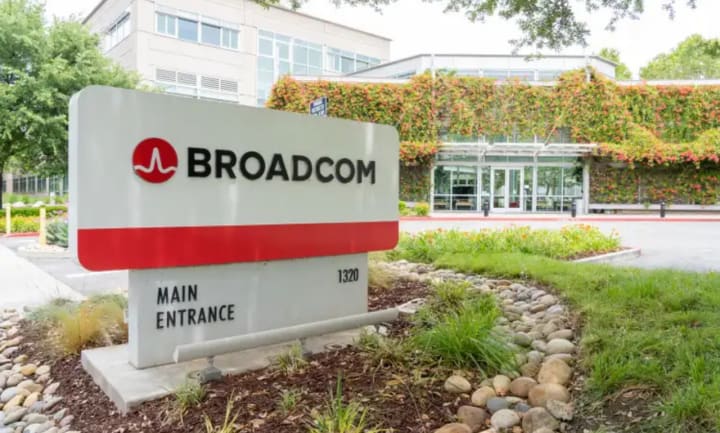
Why Intel’s Fabs Are a Hurdle
Intel’s manufacturing arm, known as its fabs, has been a significant source of financial strain. The company has struggled to keep up with the technological advancements of competitors like TSMC, leading to delays and lost market share. For Broadcom, taking on Intel’s fabs would be a risky move, as it would require substantial investment and expertise to turn them around.
The Challenges
1. Finding a Partner
The success of any deal hinges on Broadcom’s ability to find a partner willing to take over Intel’s fabs. Potential candidates include private equity firms or other semiconductor companies, but convincing them to take on such a massive undertaking won’t be easy.
2. Regulatory Scrutiny
A deal of this magnitude would undoubtedly attract regulatory attention. Antitrust concerns could complicate the process, particularly given Broadcom’s history of aggressive acquisitions.
3. Integration Risks
Integrating Intel’s product business into Broadcom’s operations would be a complex and challenging task. The two companies have different cultures, technologies, and business models, which could lead to friction and inefficiencies.
The Implications
For Broadcom
If successful, the acquisition would solidify Broadcom’s position as a dominant player in the semiconductor industry. It would gain access to Intel’s cutting-edge technologies and established customer base, providing a significant boost to its product portfolio.
For Intel
For Intel, a deal could provide much-needed relief from the financial burden of its manufacturing arm. It would allow the company to focus on its core strengths, such as chip design and innovation, while shedding its struggling fabs.
For the Industry
A Broadcom-Intel deal could reshape the competitive landscape of the chip industry. It could accelerate consolidation, spur innovation, and create new opportunities for collaboration and competition.
What’s Next?
While the potential deal is still in the early stages, it’s clear that Broadcom is serious about exploring its options. The coming months will be critical as the company evaluates the feasibility of a bid and seeks a partner for Intel’s fabs.

Key Questions
Who will step up to take over Intel’s manufacturing arm?
How will regulators respond to such a significant acquisition?
Can Broadcom successfully integrate Intel’s product business into its operations?
Conclusion
Broadcom’s potential takeover of Intel’s product business represents a bold and ambitious move that could reshape the semiconductor industry. While the deal faces significant challenges, it also offers immense opportunities for both companies.
For Broadcom, it’s a chance to cement its status as a deal-making powerhouse. For Intel, it’s an opportunity to shed its struggling manufacturing arm and focus on innovation. And for the industry, it’s a potential catalyst for change and growth.
As the story unfolds, one thing is clear: the chip industry is in for a seismic shift, and Broadcom is at the center of it all.
- It's wonderful to share this journey with you. Thank you for reading. If this piece touched you, please let me know in the comments. Subscribing means you'll be part of future explorations together.
About the Creator
mureed hussain
Hi, I’m a creative writer passionate about health & wellness, love, longevity, aging, and pet care. With extensive Quora experience, I craft engaging posts, thoughtful questions, and insightful answers.
Find me at>>[email protected]
Keep reading
More stories from mureed hussain and writers in Futurism and other communities.
AI Giants Baidu and OpenAI Go Free: A Response to DeepSeek’s Rise
The world of artificial intelligence is no stranger to competition, but the latest move by tech giants Baidu and OpenAI has sent shockwaves through the industry. In a surprising turn of events, both companies have announced that they will offer their advanced chatbots for free, a direct response to the rapid advancements made by DeepSeek, a rising star in the AI space.
By mureed hussainabout a year ago in Futurism
Australia Soft Skills Training Market: Workplace Communication Demand, Leadership Development & Online Learning
According to IMARC Group, the Australia soft skills training market reached USD 1.0 Billion in 2025 and is projected to grow to USD 2.5 Billion by 2034, exhibiting a compound annual growth rate (CAGR) of 9.89% during 2026–2034. The strong expansion reflects the increasing recognition of interpersonal and leadership capabilities as essential drivers of workplace productivity across Australia. Organizations are increasingly investing in training programs that enhance communication, collaboration, problem-solving, and emotional intelligence among employees. As businesses adapt to hybrid work environments and rapidly evolving corporate cultures, soft skills development is becoming a key strategic priority. Government initiatives supporting workforce development and the rise of digital learning platforms are further strengthening Australia soft skills training market share.
By Shrestha Roy2 days ago in Futurism


Comments (1)
Good writing