
Biohacking Human Augmentation: Unlocking New Frontiers of Innovation
Could Biohacking Be the Key to Unlocking Human Superpowers?

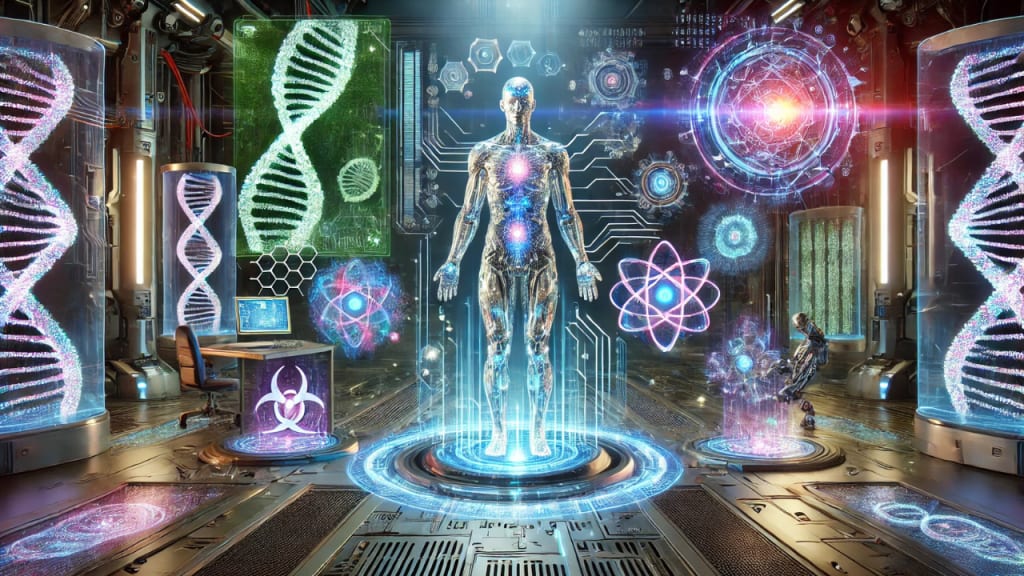
Biohacking and human augmentation represent a paradigm shift in the way humans interact with technology and biology. From improving physical performance to enhancing cognitive capabilities, these practices push the boundaries of what is possible. But with great potential comes ethical, societal, and medical questions about how far we should go in redefining human limits.
This comprehensive article explores biohacking human augmentation, its applications, benefits, risks, and its future impact on society.
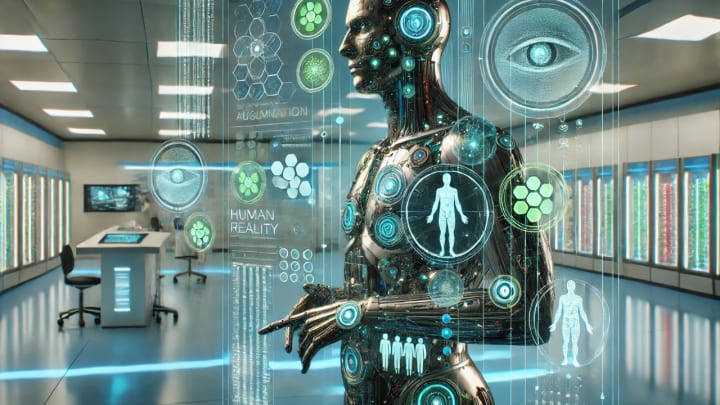
What Is Biohacking?
Biohacking refers to the practice of experimenting with biology to optimize the body’s performance, health, and capabilities. It can range from simple lifestyle changes to advanced technological interventions.
Key types of biohacking include:
- Nutrigenomics: Using diet and nutrition to optimize genetic expression.
- DIY Biology: Experiments performed by individuals or groups outside traditional labs.
- Grinder Biohacking: Implanting devices or technology into the body.
What Is Human Augmentation?
Human augmentation involves enhancing physical and cognitive abilities using technology, biology, or both. It includes:
- Prosthetics and Exoskeletons: Devices to restore or amplify physical capabilities.
- Neuro-enhancement: Boosting brain function through implants or drugs.
- Genetic Engineering: Editing genes to optimize physical or mental traits.
Applications of Biohacking and Human Augmentation
1. Health Optimization
- Wearables: Devices like fitness trackers to monitor vitals and encourage healthy habits.
- Gene Therapy: Treating or preventing diseases by modifying genes.
- Personalized Medicine: Tailoring treatments to individual genetic profiles.
2. Cognitive Enhancement
- Nootropics: Supplements to improve memory, focus, and learning speed.
- Brain-Computer Interfaces (BCIs): Devices that allow communication between the brain and external devices.
- Neurofeedback Training: Using real-time monitoring to enhance cognitive performance.
3. Physical Augmentation
- Implantable Devices: Microchips for tasks like opening doors or storing data.
- Exoskeletons: Wearable technology to enhance strength and endurance.
- Bioprinting: 3D printing of tissues and organs to replace damaged parts.
4. Sports and Performance Enhancement
- CRISPR Technology: Modifying genes to enhance athletic abilities.
- Hormone Optimization: Regulating hormones for better stamina and recovery.
- Advanced Prosthetics: Designing artificial limbs with superhuman functionality.
5. Longevity and Anti-Aging
- Senolytics: Drugs to eliminate aging cells.
- Epigenetic Reprogramming: Reversing cellular aging processes.
- Cryonics: Preserving the body for potential revival in the future.
Benefits of Biohacking and Human Augmentation
1. Enhanced Quality of Life
- Restore lost functions for disabled individuals.
- Improve health outcomes and extend lifespans.
2. Increased Productivity
- Cognitive tools help people work smarter and faster.
- Augmented physical abilities make manual tasks easier.
3. Personal Empowerment
- Users can take control of their health and capabilities.
- Access to real-time data fosters informed decision-making.
4. Breakthrough Medical Solutions
- Potential to cure previously untreatable diseases.
- Accelerate the development of innovative treatments.
Biohacking : The Future of Human Enhancement
Risks and Ethical Challenges
1. Health Risks
- Unknown long-term effects of implants, drugs, or genetic edits.
- Risk of infections or complications from DIY procedures.
2. Ethical Dilemmas
- Should we enhance humans beyond natural limits?
- How do we ensure equitable access to these technologies?
3. Security Concerns
- Implantable devices could be hacked or misused.
- Data collected by biohacking tools may be exploited.
4. Social and Economic Disparities
- Could augmentations widen the gap between the rich and poor?
- What happens if only some people can afford these advancements?
Future Implications of Biohacking and Human Augmentation
1. Transforming Healthcare
- AI and nanotechnology could enable self-healing implants.
- Continuous health monitoring could reduce chronic disease risks.
2. Redefining Work and Productivity
- Augmented individuals may redefine what is possible in the workplace.
- Exoskeletons could make physically demanding jobs safer.
3. New Ethical Paradigms
- Governments and organizations will need to establish global bioethics standards.
- Balancing innovation with responsibility will be critical.
4. Enhanced Human Abilities
- Could lead to a society of "superhumans," redefining human potential.
- May blur the line between human and machine.
Conclusion
Biohacking and human augmentation stand at the intersection of biology and technology, offering unprecedented opportunities to improve lives. While the possibilities are vast—from curing diseases to redefining human capabilities—the risks and ethical considerations are equally significant.
As humanity embraces these advancements, thoughtful regulation and public dialogue will be essential to ensure that these innovations benefit society as a whole. The future of biohacking and human augmentation is exciting, but the choices we make now will shape the legacy of these transformative technologies.
What are your thoughts on biohacking and human augmentation? Let us know how you see these innovations shaping our future!
About the Creator
Keep reading
More stories from Marveline Merab and writers in Futurism and other communities.
Artificial General Intelligence Future Impact: A Comprehensive Exploration
Artificial General Intelligence (AGI) is no longer a distant concept confined to sci-fi novels. Unlike narrow AI, which excels at specific tasks, AGI promises human-like intelligence capable of reasoning, problem-solving, and learning across diverse fields. As technology races toward this groundbreaking milestone, the potential future impacts of AGI spark both excitement and concern.
By Marveline Merababout a year ago in Futurism
About Binding Prometheus
I want to start actively advocating on behalf of my own work, and the most valuable part of my canon is, without a doubt, Binding Prometheus, the play I have been working on since 2019 and only finished in 2023 as part of my MA. The play itself is an amalgamation of a million different inspirations. On one end, it evokes the Ancient Greek myth-play, deriving its own title from the earliest extant work of Western drama we have, Aeschylus’s Prometheus Bound. On the other end, it borrows significantly from the sci-fi bulwarks from over the years, namely Mary Shelley’s Frankenstein and Karel Capek’s Rossum’s Universal Robots. The play could be an episode of Black Mirror, I fear. I don’t know. I’ve only ever seen one episode of Black Mirror.
By Steven Christopher McKnight16 days ago in Futurism
Crowdfunding Market Companies Analysis 2025–2033
Introduction: A New Age of Democratized Capital The global crowdfunding industry has emerged as one of the most transformative forces in modern finance. By enabling individuals, entrepreneurs, and organizations to raise funds directly from a distributed pool of contributors, crowdfunding bypasses traditional intermediaries such as banks, venture capital firms, and institutional lenders. Over the last decade, this model has evolved from small community fundraisers into a multi-billion-dollar ecosystem that supports innovation, social impact, creative ventures, and business growth.
By Marthan Sir5 days ago in Futurism
Miss Persephone's Manual to a Seemingly Ordinary Life
Miss Persephone was found at the dining table, her blue eyes swollen, her tears arriving and retreating like the tides of the ocean. Earlier that day, her family had visited her in the retirement home where she had lived for eight years. It was her eightieth birthday.
By Imola Tóth2 days ago in Fiction


Comments
There are no comments for this story
Be the first to respond and start the conversation.