
Biohacking: Enhancing the Human Body with Science and Technology
Exploring the Intersection of Biology and Technology to Unlock Human Potential

Introduction
The term “biohacking” evokes images of DIY scientists and tech enthusiasts seeking to enhance human capabilities through innovative and often unconventional methods. But what exactly does biohacking mean? And how can we use it to improve our daily lives? This article delves into the world of biohacking, examining its techniques, benefits, and ethical implications of this growing practice.
1. What is Biohacking?
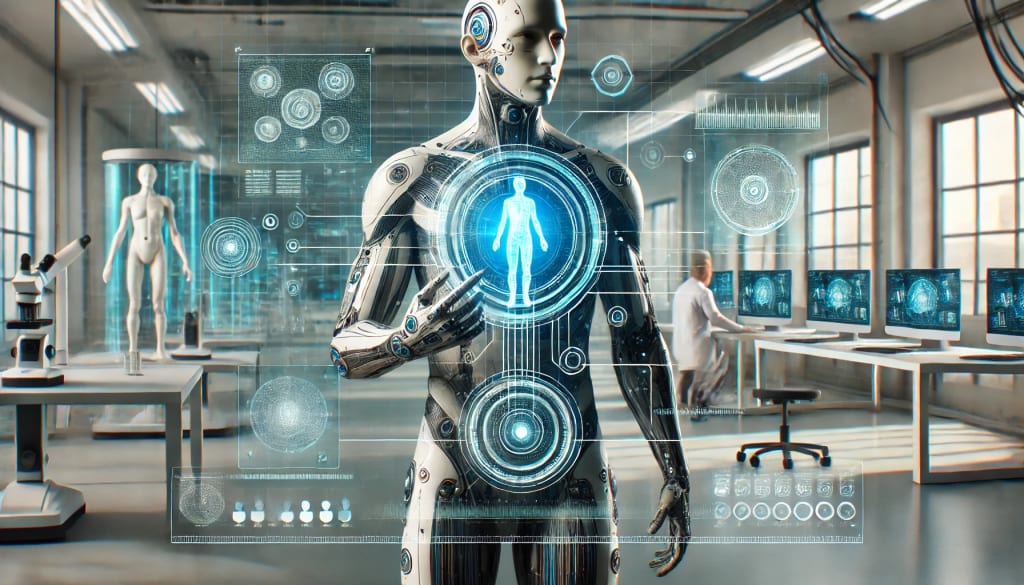
Biohacking, also known as DIY biology, is a practice that combines biology and technology to enhance the functionality of the human body. It’s not just about aesthetic improvements or physical performance, but also about optimizing health and overall well-being.
• Definition and Origins: The term “biohacking” derives from the fusion of “biology” and “hacking,” with hacking meaning the manipulation or improvement of an existing system. The origins of biohacking date back to the early 2000s, with the rise of the maker movement and DIY biology. Groups of enthusiasts began experimenting with their bodies using scientific techniques accessible to everyone. From simple dietary modifications to complex genetic experiments, biohacking has evolved its definition to encompass a wide range of practices.
• Types of Biohacking: Various forms of biohacking exist, from nutritional (optimizing diet and nutrition) to genetic (DNA modifications), to cybernetic implants (electronic devices inserted into the body to enhance its functions). The diversity of techniques used reflects the interdisciplinary nature of biohacking, drawing from fields such as biology, chemistry, computer science, and engineering.
2. Popular Biohacking Techniques
Every biohacker adopts different techniques based on their goals. Here are some of the most common techniques and how they are used to improve daily life.
• Nutrition and Supplements: Many biohackers use specific diets and dietary supplements to improve their health and performance. The ketogenic diet, for example, is very popular for its ability to enhance mental clarity and increase energy levels. The use of supplements like vitamins, minerals, and nootropics (substances that enhance cognitive function) is common. These supplements are selected based on rigorous scientific research and careful monitoring of individual health parameters.
• Meditation and Mindfulness Techniques: Meditation and other mindfulness practices are used to improve mental health, reduce stress, and increase concentration. These techniques, supported by scientific research, show how controlling the mind can positively influence the body. Advanced techniques like transcendental meditation and biofeedback are powerful tools that allow individuals to become aware of their mental and physiological processes.
• Optimized Physical Exercise: Personalized exercise programs, based on biometric data, can help individuals achieve their fitness goals more efficiently. The use of wearable devices, such as smartwatches and fitness trackers, is essential for monitoring progress. These tools provide real-time data that can be analyzed to optimize training plans, ensuring each workout session is as effective as possible. High-intensity interval training (HIIT) and functional fitness regimes are tailored to an individual’s specific needs, maximizing results while minimizing time spent.
• Intermittent Fasting: This dietary approach involves cycling between periods of eating and fasting, aiming to improve metabolic health, enhance mental clarity, and support weight management. Different patterns of intermittent fasting, such as the 16/8 method or the 5:2 approach, offer flexibility to fit various lifestyles.
3. Biohacking and Technology
Technology plays a crucial role in biohacking, allowing anyone to monitor and improve their health more precisely and personally.
• Wearables and Monitoring Devices: Devices like smartwatches and wearable sensors collect real-time data on our health, from heart rate to physical activity levels. These devices are essential for biohackers who want to continuously monitor their health status and make timely lifestyle adjustments. For example, sleep monitoring bracelets can provide detailed information about sleep cycles, helping improve the quality of rest.
• Brain-Computer Interfaces (BCIs): BCIs represent one of the most advanced frontiers of biohacking, allowing direct communication between the brain and electronic devices. These technologies can potentially help people with disabilities control prosthetics or computers with their thoughts. BCIs are also opening new possibilities for augmented and virtual reality, enabling more immersive and interactive experiences.
• Implants and Body Modifications: Some biohackers choose to integrate technology directly into their bodies through subcutaneous implants. RFID chips for keyless authentication, magnets in fingers to sense magnetic fields, and LED lights implanted under the skin are just a few examples of these modifications. These implants can offer new functionalities and improve interaction with the surrounding environment, transforming the human body into an advanced technological platform. Additionally, advanced prosthetics and exoskeletons are enhancing physical capabilities and mobility for both disabled and able-bodied individuals.
• Smart Drugs and Nootropics: These substances, often referred to as “cognitive enhancers,” are used to improve cognitive function, memory, creativity, or motivation. Common nootropics include caffeine, modafinil, and racetams, which are popular among individuals looking to boost their mental performance.
4. Benefits of Biohacking
The benefits of biohacking are numerous, ranging from improved physical performance to disease prevention. However, it is essential to approach these practices with a clear understanding of the risks and potential consequences.
• Performance Enhancement: Through biohacking, individuals can achieve levels of physical and mental performance that would otherwise be inaccessible. This can translate into better sports results, higher productivity at work, and a more energetic daily life. Optimizing diet, exercise, and sleep contributes to improving the efficiency of the body and mind.
• Prevention and Health: Many biohacking techniques are aimed at preventing diseases and maintaining optimal health. Supplements, specific diets, and continuous health monitoring can reduce the risk of chronic diseases. For example, monitoring blood sugar levels can prevent diabetes, while analyzing genetic markers can help identify and mitigate hereditary disease risks.
• Mental Well-being: Meditation, mindfulness, and other mental biohacking techniques can significantly improve mental health, reducing anxiety and depression and improving quality of life. Using technologies such as neurofeedback allows visualizing brain activity in real-time, facilitating emotion control and stress management.
• Longevity: Biohacking practices aimed at extending lifespan and improving healthspan are gaining popularity. These include caloric restriction, intermittent fasting, and the use of anti-aging supplements like resveratrol and NAD+ boosters. Research into the mechanisms of aging and how to slow them down is a major focus within the biohacking community.
5. Risks and Ethical Considerations
While biohacking offers numerous benefits, it also presents significant risks and raises important ethical issues.
• Health Risks: Without adequate medical supervision, some biohacking practices can be dangerous. Self-administration of drugs or implementing unapproved devices can lead to serious medical complications. For instance, improper use of nootropics can cause unwanted side effects, while poorly designed implants can cause infections or rejections. The use of unregulated supplements can also pose significant health risks, as they might contain harmful substances or have untested effects.
• Ethical Issues: Modifying the human body raises numerous ethical dilemmas. Where do we draw the line between enhancement and unacceptable alteration? Moreover, there is a risk that biohacking could exacerbate social inequalities, with enhancements available only to those who can afford them. The issue of accessibility and equity is crucial, as not everyone can afford the most advanced technologies or the necessary medical assistance.
• Privacy and Security: Data collected by wearable devices and implants can be vulnerable to cyberattacks. It is essential to ensure that this sensitive information is adequately protected. Health data breaches can have serious consequences, including discrimination and violation of personal privacy. The ethical management of biometric data is paramount to ensuring trust and safety in biohacking practices.
6. The Future of Biohacking
Biohacking is a continuously evolving field, with new technologies and techniques constantly emerging. The future promises fascinating developments but also requires growing regulation and ethical attention.
• Technological Innovations: The rapid evolution of biomedical technologies, such as CRISPR for genetic editing, could make biohacking even more accessible and powerful. Brain-computer interfaces and cybernetic implants will continue to evolve, offering new possibilities for human enhancement. CRISPR, in particular, opens the door to precise genetic corrections that could eliminate hereditary diseases and improve physical and cognitive abilities. Advances in stem cell research and regenerative medicine also hold promise for repairing and enhancing the human body.
• Regulation and Policies: It is likely that we will see increased regulation of biohacking, both nationally and internationally, to ensure safety and equity. Regulations will need to balance innovation with the protection of individual rights and public health. Ethical and legal guidelines will be crucial to prevent abuses and ensure the benefits of biohacking are available to everyone.
• Accessibility and Inclusion: An ethical future of biohacking must ensure that the benefits are accessible to everyone, regardless of their socioeconomic background. This requires policies aimed at reducing inequalities and promoting equitable access to human enhancement technologies. Education and training initiatives can help democratize access to the knowledge and resources needed for biohacking.
• Public Perception and Acceptance: The acceptance of biohacking technologies and practices by the general public will be critical for their widespread adoption. Public education campaigns and transparent communication about the benefits and risks of biohacking can help build trust and understanding. Societal attitudes towards body modification and enhancement will shape the future landscape of biohacking.
Conclusion
Biohacking represents a fascinating and potentially revolutionary frontier for humanity. With advancements in science and technology, we have the opportunity to improve our lives in previously unimaginable ways. However, it is essential to approach these possibilities with caution, carefully considering the ethical implications and potential risks. Only then can we ensure that biohacking positively contributes to human well-being without compromising the fundamental values of our society.
The future of biohacking will depend on our ability to balance innovation and responsibility, ensuring that the benefits are equitably distributed and that practices are safe and ethical. With a conscious and informed approach, biohacking has the potential to radically transform our understanding and relationship with the human body, opening new paths for health and well-being.
As we move forward, the collaboration between scientists, policymakers, ethicists, and the general public will be crucial in shaping a future where biohacking can thrive responsibly. Embracing the potential of biohacking while addressing its challenges will pave the way for a new era of human enhancement and health optimization.
About the Creator
Fabio Smiraglia
I am a passionate content writer with extensive experience in crafting engaging texts for blogs, websites, and social media. I love telling stories, informing, and connecting with audiences, always with creativity and precision.
Keep reading
More stories from Fabio Smiraglia and writers in Futurism and other communities.
The Culture of Telecommuting: Benefits, Challenges, and the Future of Remote Work
Introduction Telecommuting, also known as remote work, has become increasingly relevant in recent years, significantly accelerated by the COVID-19 pandemic. This article explores the culture of telecommuting, examining its benefits, the challenges it entails, and the future prospects of this working model. The rise of telecommuting has led to a rethinking of traditional work dynamics, promoting a more flexible and adaptable approach that meets the needs of a continuously evolving world.
By Fabio Smiragliaabout a year ago in Futurism
About Binding Prometheus
I want to start actively advocating on behalf of my own work, and the most valuable part of my canon is, without a doubt, Binding Prometheus, the play I have been working on since 2019 and only finished in 2023 as part of my MA. The play itself is an amalgamation of a million different inspirations. On one end, it evokes the Ancient Greek myth-play, deriving its own title from the earliest extant work of Western drama we have, Aeschylus’s Prometheus Bound. On the other end, it borrows significantly from the sci-fi bulwarks from over the years, namely Mary Shelley’s Frankenstein and Karel Capek’s Rossum’s Universal Robots. The play could be an episode of Black Mirror, I fear. I don’t know. I’ve only ever seen one episode of Black Mirror.
By Steven Christopher McKnight12 days ago in Futurism
Starship: A Breakthrough or an Overhyped Project?
Few space projects in modern history have sparked as much debate as Starship, the ambitious launch system being developed by SpaceX. To its supporters, Starship represents nothing less than a revolution — a machine that could make humanity a multi-planetary species and dramatically lower the cost of spaceflight. To critics, it is an overpromised, underproven concept whose technical challenges may outweigh its potential benefits. So which is it: a genuine breakthrough or an overhyped gamble?
By Holianyk Ihor6 days ago in Futurism
Day 4 of Quitting
If this is how sobriety feels, maybe it’s better to go through life a little buzzed… this, along with other hits like, I want to kill myself, I wish I was dead, and I’m going to throw myself off a bridge have been the only thoughts on rotation these past few days. I promise myself that if, in a month, I still feel like this (‘this’ meaning despondent, full of rage, and simultaneously numb) I can go back to smoking. Until mid-February though? Nicotine is off the table.
By sleepy drafts5 days ago in Longevity


Comments (3)
Nice story
Thanks for sharing
Nice article