
Best Prompt Libraries for AI Image Generation in 2026
The best platforms to discover, copy, and experiment with prompts for AI image models.

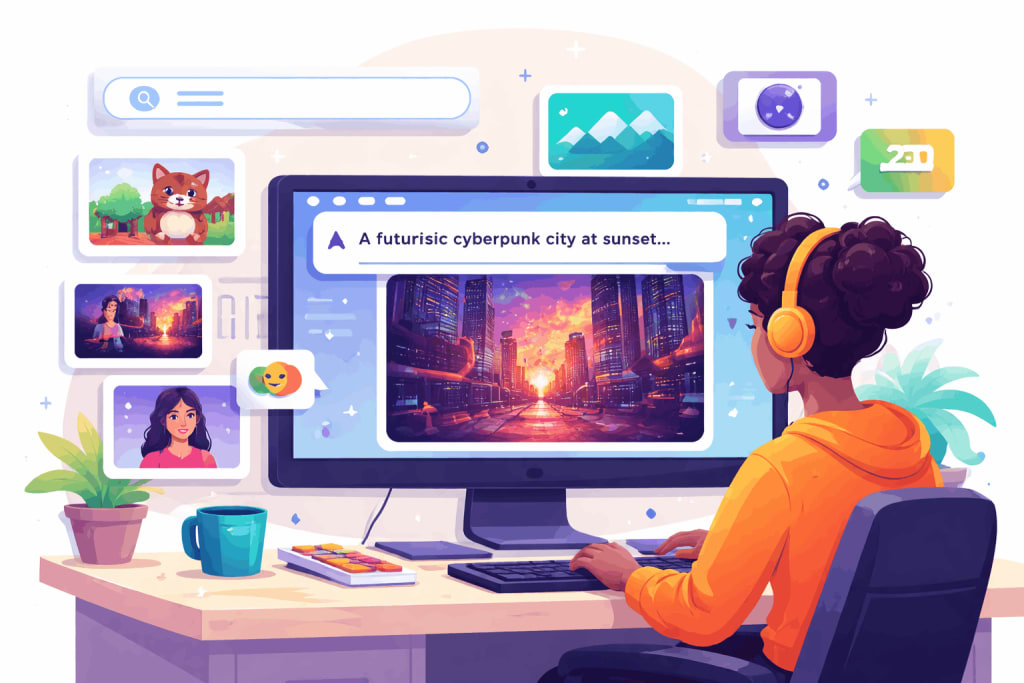
AI image tools are everywhere now. Designers, marketers, developers, and content creators use them daily to generate visuals, concepts, thumbnails, product mockups, and illustrations.
But the real difference between a mediocre image and a great one usually comes down to the prompt.
Writing strong prompts takes practice. That is why many creators rely on prompt libraries. These collections provide tested prompts, structured examples, and inspiration that help users get better results faster.
Instead of guessing what might work, you can start with prompts that already produce strong outputs.
Below are some of the best prompt libraries for AI image generation in 2026.
1. PromptHero
PromptHero is one of the largest prompt libraries online. It focuses mainly on prompts for popular image models like Midjourney, Stable Diffusion, and DALL-E.
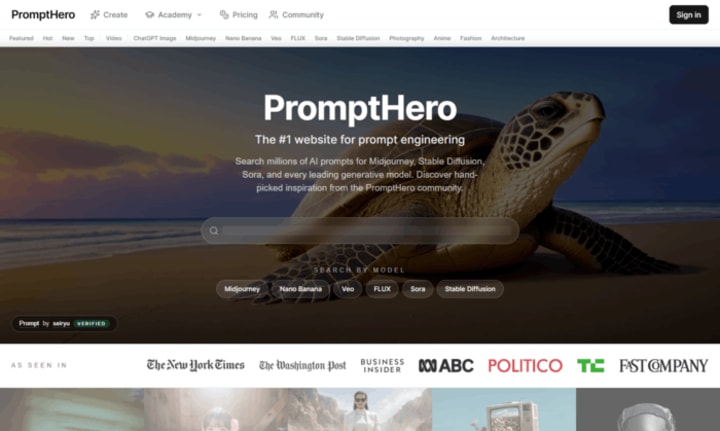
The platform lets users search prompts based on artistic style, subject, or visual effects. Each prompt is paired with the generated image so users can clearly see what the prompt produces.
This visual reference makes it easier to understand how certain phrases affect image generation and helps beginners learn how strong prompts are structured.
2. Lexica
Lexica started as a search engine for Stable Diffusion images but quickly became a large visual prompt database.
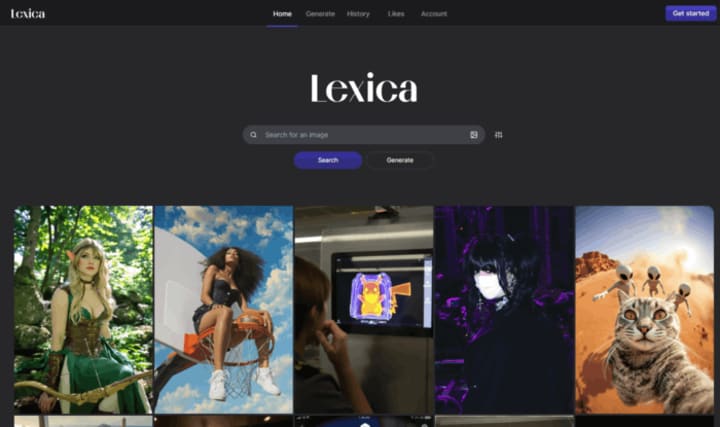
Users can explore thousands of prompts and the images created with them. The platform also includes its own image generator, allowing people to experiment with prompts directly.
Many prompts on Lexica include detailed style instructions, lighting descriptions, and composition hints, which makes it a good place to study how advanced prompts are written.
3. Automatio Nano Banana Prompt Library
The Automatio Nano Banana Prompt Library is a collection of ready-to-use prompts designed for the Nano Banana image model.
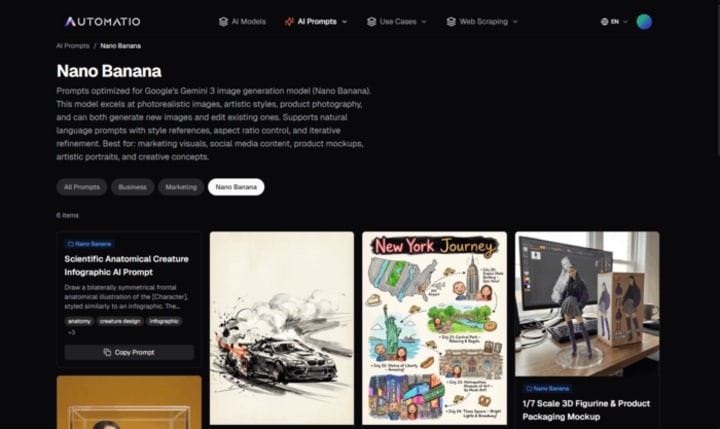
Inside the library you can find prompts for different use cases such as business visuals, marketing graphics, illustrations, infographics, and creative scenes.
Each prompt page includes the full prompt text, explanation, and example outputs. You can copy the prompt and use it in your own workflow, or try it directly on the page if you are testing Nano Banana.
Libraries like this are helpful when you want structured prompts that already work, instead of starting from scratch every time.
4. Krea Prompt Library
Krea is known for its real-time AI image generation tools, but it also offers a growing prompt collection.
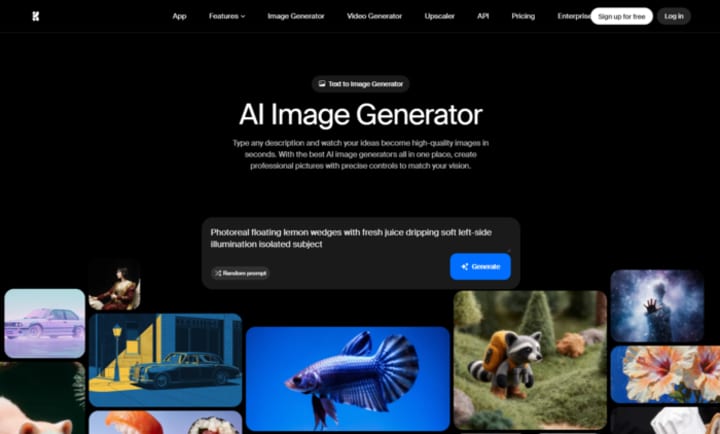
The library includes prompts for tasks such as product photography, character design, marketing visuals, and concept art.
Many of the prompts focus on creative direction and visual composition, which helps users generate images that feel more intentional and polished.
Designers often use Krea when they are brainstorming visual ideas or building concepts quickly.
5. PromptBase
PromptBase works more like a marketplace for prompts.
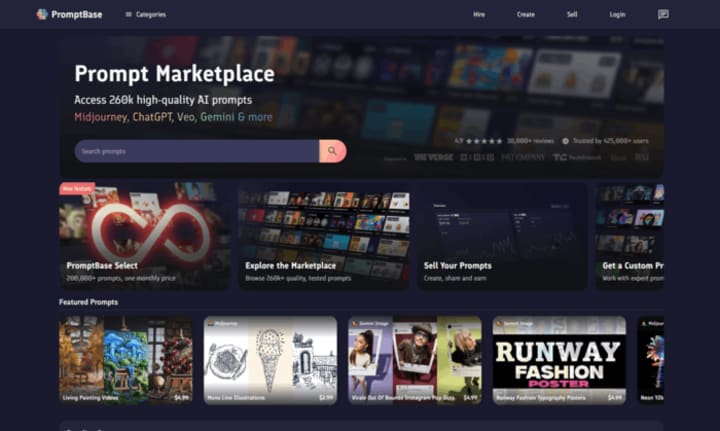
Creators can buy and sell prompts optimized for different AI models including Midjourney, DALL-E, and Stable Diffusion.
Many prompts focus on commercial use cases such as advertising visuals, product photography, and brand design.
Even if you do not buy prompts, browsing the marketplace can still help you understand how professional prompts are written.
6. FlowGPT
FlowGPT originally focused on prompts for language models, but the platform now includes collections for image generation as well.
Users share prompt templates and workflow examples that combine multiple AI tools.
For example, you can find prompts used for character creation, game asset generation, marketing graphics, and social media visuals.
Because the prompts come from real users, FlowGPT often reveals practical techniques used in real workflows.
Why Prompt Libraries Matter
AI image models are getting more powerful, but they still depend heavily on how instructions are written.
Small changes in a prompt can completely change the result. Lighting descriptions, composition hints, and style references often make the difference between a generic image and a polished visual.
Prompt libraries help users:
- understand prompt structure
- discover new creative styles
- save time experimenting
- learn how different models behave
Instead of starting from scratch every time, creators can build on prompts that already produce strong results.
Final Thoughts
AI image generation is now part of many creative workflows. Designers use it for concept art, marketers generate visual content, and developers experiment with AI-generated graphics for apps and websites.
As more models appear, prompt libraries are becoming essential tools for anyone working with generative visuals.
Platforms like these make it easier to explore what these models can create.
And in many cases, the fastest way to improve your AI images is simply to start with a prompt that already works.
About the Creator
Jelena Smiljkovic
SEO strategist and content writer, combining over 13 years of web development experience with a focus on content strategy, SEO growth, and digital marketing.
Keep reading
More stories from Jelena Smiljkovic and writers in Futurism and other communities.
It’s Okay to Let AI In
There’s been a shift in how we build. AI isn’t just some future concept anymore. It’s here, and people are actually using it. Not just playing with it, but building with it. The vibe around coding is different now. You’re not stuck doing everything alone. You’ve got tools, co-pilots, helpers. Some call it AI code vibing. And honestly, I’m into it.
By Jelena Smiljkovic9 months ago in Futurism
Vibration Monitoring Market Outlook: Predictive Maintenance Adoption and Industrial Automation Growth Opportunities
According to IMARC Group's latest research publication, The global vibration monitoring market size reached USD 1.74 Billion in 2025. Looking forward, IMARC Group expects the market to reach USD 2.84 Billion by 2034, exhibiting a growth rate (CAGR) of 5.39% during 2026-2034.
By James Whitmanabout 9 hours ago in Futurism
AI in Geospatial Market expected to be worth around USD 1,165.3 Million by 2033
The Global AI in Geospatial Market size is expected to be worth around USD 1,165.3 Million by 2033, rising from USD 78.3 Million in 2023, and it is projected to grow at a CAGR of 31.0% during the forecast period from 2024 to 2033. The strong expansion of this market is associated with the increasing use of artificial intelligence in mapping, remote sensing, satellite imaging, and spatial analytics.
By Roberto Crumabout 8 hours ago in Futurism



Comments
There are no comments for this story
Be the first to respond and start the conversation.