
Australia Roofing Market: Construction Demand, Material Innovation & Building Performance
How housing activity, climate conditions and material advancements are shaping Australia’s roofing industry
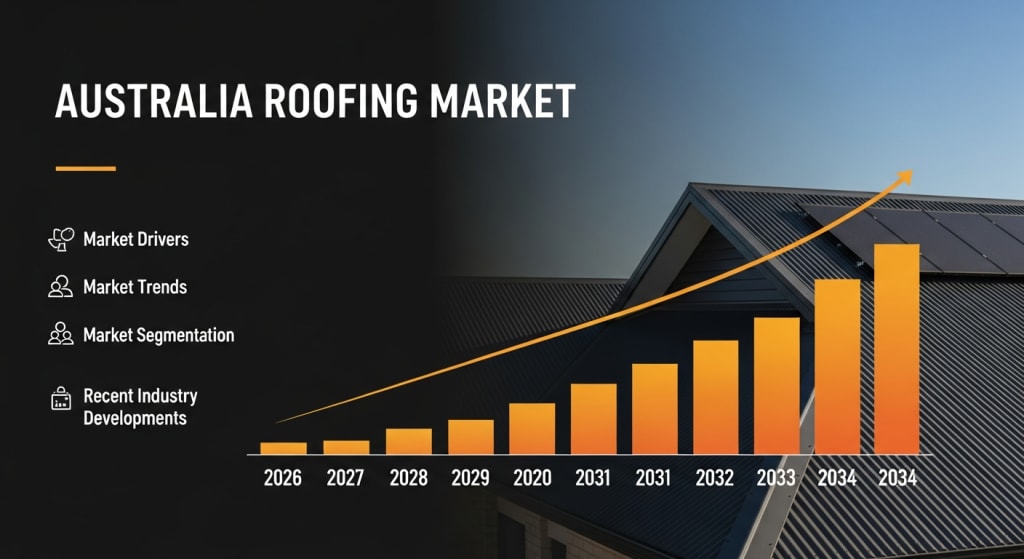
According to IMARC Group, the Australia roofing market reached a value of USD 2,920.9 Million in 2025 and is expected to grow to USD 4,019.2 Million by 2034, exhibiting a compound annual growth rate (CAGR) of 3.61% during 2026–2034. This steady expansion highlights the roofing sector’s critical role within Australia’s construction and infrastructure ecosystem. Roofing systems are no longer viewed solely as structural necessities; they are increasingly integral to energy efficiency, climate resilience and long-term building performance. Rising housing construction, large-scale infrastructure projects and renovation activity are driving consistent demand for advanced roofing materials across Australia. At the same time, climate variability, environmental regulations and higher energy costs are reshaping material selection, pushing the industry toward more durable, insulated and sustainable roofing solutions.
Why Should Smart Buyers and Investors Know About the Australia Roofing Market?
Stable Growth Backed by Construction Fundamentals
Roofing demand is closely tied to housing, infrastructure and renovation activity, providing resilience across economic cycles.
Rising Value of Performance-Oriented Products
Advanced roofing solutions that deliver insulation, fire resistance and durability command higher margins and long-term demand.
Alignment With Energy and Sustainability Objectives
Roofing systems play a direct role in reducing energy consumption and emissions, aligning the market with national sustainability goals.
Long-Term Replacement and Maintenance Demand
Roofs require periodic replacement and upgrading, ensuring recurring market opportunities beyond new construction alone.
Strategic Importance in Climate-Resilient Building Design
As climate risks increase, roofing performance becomes a critical factor in protecting property value and occupant safety.
Recent Trends & Developments in the Australia Roofing Market
June 2025:
Construction firms increased adoption of fire-resistant and insulated roofing materials in new residential developments, responding to updated safety and performance standards.
February 2025:
Manufacturers expanded offerings of reflective and cool roofing systems designed to reduce heat absorption and improve energy efficiency in urban environments.
September 2024:
Renovation-focused demand rose as homeowners invested in roofing upgrades to improve thermal comfort and reduce long-term energy expenses.
The Australia roofing market illustrates how construction demand, environmental pressures and material innovation are converging to redefine a traditionally functional building component. Supported by IMARC’s steady growth outlook, the sector is transitioning toward high-performance roofing systems that deliver energy efficiency, climate resilience and long-term value. As housing activity continues, infrastructure investment expands and sustainability expectations rise, roofing will play an increasingly strategic role in building design and performance. For manufacturers, investors and construction stakeholders, Australia’s roofing industry represents not just a materials market, but a forward-looking segment at the intersection of construction innovation, environmental responsibility and future-ready building solutions.
Australia Roofing Market Vision 2050
1. High-Performance Roofing as a Standard Feature
By 2050, roofing systems are expected to function as active components of building performance, contributing to thermal regulation, energy generation and climate resilience.
2. Integration With Renewable Energy Solutions
Solar-ready and solar-integrated roofing designs will become more prevalent, enabling buildings to combine weather protection with on-site energy production.
3. Advanced Materials and Smart Roofing Systems
Material innovation will deliver roofing solutions with enhanced durability, self-cleaning surfaces and real-time performance monitoring, reducing maintenance needs and extending lifespan.
4. Sustainability-Driven Material Selection
Eco-friendly, recyclable and low-carbon roofing materials will transition from niche offerings to industry standards, supported by policy incentives and green building certifications.
5. Climate-Adaptive Building Design
Roofing systems will increasingly be designed to withstand extreme weather events, supporting broader national strategies for climate adaptation and infrastructure resilience.
What Are the Key Growth Drivers in the Australia Roofing Market?
Strong Housing and Infrastructure Development Activity
Ongoing residential construction, urban expansion and public infrastructure investment are providing a stable foundation for roofing demand. New housing developments, commercial buildings and transport-related infrastructure continue to generate consistent roofing installation and replacement requirements.
Demand for Climate-Resilient and Fire-Resistant Materials
Australia’s exposure to extreme weather conditions, including heatwaves, bushfires and heavy rainfall, has heightened demand for roofing materials that offer fire resistance, thermal stability and moisture control. This has accelerated adoption of advanced metal roofing, treated tiles and composite materials.
Focus on Energy Efficiency and Thermal Insulation
Rising energy costs and stricter building performance standards are increasing the importance of roofing systems that enhance insulation and reduce heat transfer. Cool roofs, reflective coatings and insulated panels are gaining traction as property owners seek long-term energy savings.
Growing Environmental Awareness and Sustainability Goals
Environmental concerns are influencing material choices across the construction sector. Recyclable materials, long-life roofing systems and products with lower embodied carbon are increasingly favored by developers, regulators and end users.
Renovation and Replacement of Aging Building Stock
Australia’s aging residential and commercial building stock is driving demand for roof repair, retrofitting and replacement. Modern roofing upgrades are often bundled with broader energy-efficiency and structural improvement initiatives.
About the Creator
Keep reading
More stories from Shrestha Roy and writers in Futurism and other communities.
Australia Wearables Market: Smart Gadgets, Consumer Tech & the Future of Connected Living
According to IMARC Group, the Australia wearables market reached a value of USD 3.0 Billion in 2025 and is projected to expand significantly to USD 10.0 Billion by 2034, exhibiting a strong compound annual growth rate (CAGR) of 14.16% during 2026–2034. This rapid expansion reflects the growing integration of wearable technology into everyday life, as consumers increasingly rely on smart devices to monitor health, enhance safety and stay connected. Wearables have evolved from basic fitness trackers into multifunctional personal technology platforms, combining advanced sensors, connectivity and design-driven appeal. As healthcare awareness, aging demographics and digital lifestyles converge, wearable devices are becoming essential tools for preventive health management and personalized data insights across Australia.
By Shrestha Royabout 4 hours ago in Futurism
Saudi Arabia Asphalt Pavers Market: Infrastructure Boom, Smart Paving & Growth Outlook
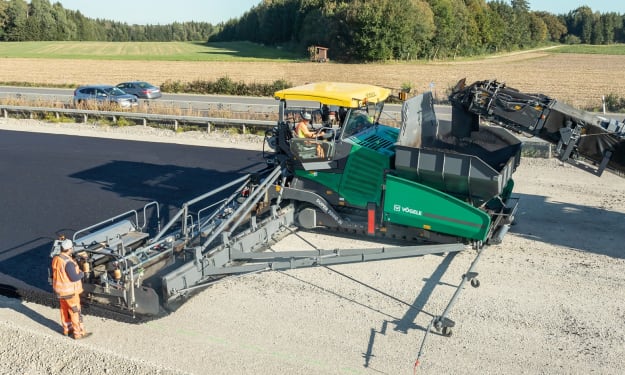
Market Overview According to the latest report by IMARC Group, the Saudi Arabia asphalt pavers market was valued at USD 22.7 Million in 2025. The market is expected to reach USD 32.8 Million by 2034, expanding at 4.18% annually from 2026 to 2034. This growth momentum is being driven by massive infrastructure investments, the emergence of mega projects like NEOM and Qiddiya, and increasing adoption of technologically advanced paving machinery equipped with GPS controls, automated systems, and digital monitoring capabilities that help contractors meet strict quality standards and tight project timelines.
By Jeffrey Wilson6 days ago in Futurism


Comments
There are no comments for this story
Be the first to respond and start the conversation.