
Atomic Survival: Essential Steps to Thrive in a Post-Nuclear World
How to Prepare, Protect, and Persist After a Nuclear Crisis
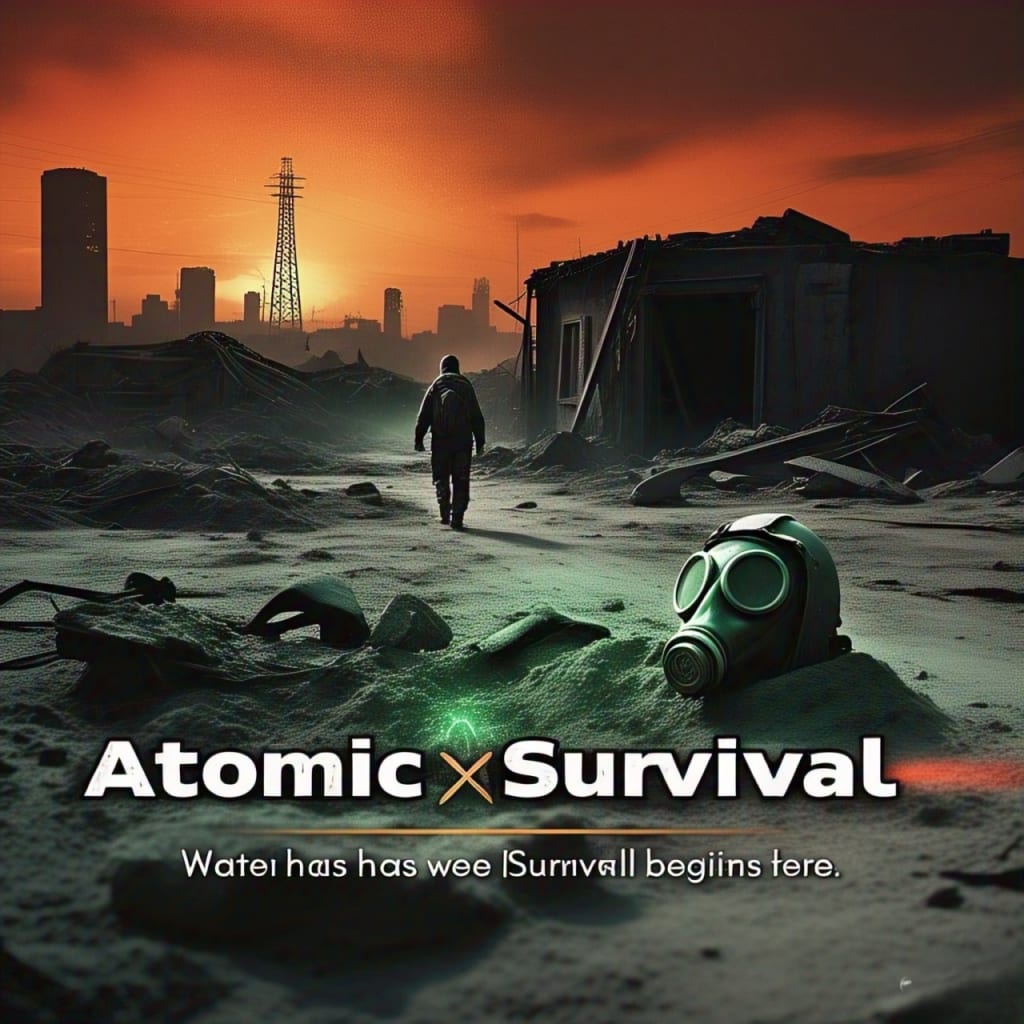
The threat of nuclear war or a catastrophic radiological event is one of humanity’s most terrifying possibilities. While we hope such a disaster never occurs, being prepared could mean the difference between life and death. This guide covers essential survival steps, from immediate actions to long-term strategies, ensuring you and your loved ones can endure and rebuild in a post-nuclear world.
1. Immediate Survival: The First 24-48 Hours
A. Seek Shelter Immediately
If a nuclear detonation occurs nearby, time is critical. The initial blast, heat wave, and radiation are deadly, but fallout (radioactive dust) is the most persistent threat.
Get Underground: The best shelters are basements, subway tunnels, or any structure with thick concrete and minimal windows.
Distance Matters: If you can’t get underground, move to the center of a multi-story building to maximize shielding.
Stay Inside for at Least 24-48 Hours—fallout radiation decreases significantly after this period.
B. Protect Yourself from Radiation
Seal Gaps: Use duct tape and plastic sheeting to cover doors, vents, and windows.
Remove Contaminated Clothing: If exposed to fallout, strip off outer layers and wash skin with soap (but don’t scrub).
Improvised Shielding: Stack dense materials (books, furniture, sandbags) between you and exterior walls.
C. Emergency Supplies Checklist
Your shelter should contain:
Water (1 gallon per person per day)
Non-perishable food (MREs, canned goods)
Geiger counter (to measure radiation levels)
Potassium Iodide (KI) pills (to block radioactive iodine absorption)
First aid kit, flashlights, and batteries
2. Medium-Term Survival (Weeks to Months)
Once the initial danger passes, long-term survival becomes the priority.
A. Securing Safe Food and Water
Water Filtration: Use activated charcoal, ceramic filters, or boiling to remove radiation.
Avoid Contaminated Food: Don’t consume food left exposed—prioritize sealed or underground-stored supplies.
Hunting & Foraging: Only animals from deep waters or unexposed areas are safe.
B. Managing Radiation Exposure
Limit Outdoor Time: Radiation levels drop over time, but avoid unnecessary exposure.
Decontamination Procedures: Wash surfaces with bleach solutions, and dispose of contaminated materials safely.
C. Forming a Survival Group
Strength in Numbers: Collaborate with trustworthy neighbors for security and resource-sharing.
Assign Roles: Medics, guards, scavengers—specialization increases efficiency.
3. Long-Term Survival (Months to Years)
Rebuilding requires sustainable living strategies.
A. Establishing a Safe Zone
Relocate if Necessary: If your area remains highly radioactive, move to less-affected regions.
Reinforce Shelter: Convert basements or caves into permanent living spaces with ventilation and insulation.
B. Food Production
Indoor Hydroponics: Grow plants without soil under artificial light.
Preservation Techniques: Learn canning, smoking, and fermentation to store food long-term.
C. Barter and Trade Economy
Ammunition, medicine, and tools will become high-value commodities.
Avoid Hoarding Useless Items—focus on practical goods.
4. Psychological and Social Resilience
Surviving isn’t just about physical needs—mental health is crucial.
Routine & Purpose: Maintain a daily schedule to prevent despair.
Community Bonds: Shared goals reduce isolation and increase morale.
Acceptance of a New Reality: Adaptability is key to long-term survival.
Final Thought: Preparation is Power
While nuclear war is a grim scenario, knowledge and preparation dramatically increase survival odds. Start stocking supplies, learning skills, and forming networks now—because in a crisis, hesitation can be fatal.
About the Creator
Umar zeb
Hi, I'm U zeb, a passionate writer and lifelong learner with a love for exploring new topics and sharing knowledge. On Vocal Media, I write about [topics you're interested in, e.g., personal development, technology, etc
Top 10 LLM Development Companies Transforming U.S. Enterprises
In 2026, the most valuable employee in many American companies isn’t human. It’s a language model. From drafting legal contracts in New York to automating customer support in Texas, LLMs are quietly reshaping how enterprises operate. But behind every successful deployment is a development partner — the firm that turns raw AI into real business outcomes.
By Ritu Singh5 days ago in Futurism
Flexible AC Transmission System (FACTS) Market Outlook: Grid Stability Enhancement and Renewable Integration Opportunities
According to IMARC Group's latest research publication The global flexible AC transmission system (FACTS) market size reached USD 1.5 Billion in 2024. Looking forward, IMARC Group expects the market to reach USD 2.3 Billion by 2033, exhibiting a growth rate (CAGR) of 4.64% during 2025-2033
By James Whitman6 days ago in Futurism
Rachel Reviews: Lakefront Wolves by Joseph Deegan
Meet Finn. He's an 18 year old kid who has potential. He's bright with great school scores and he's also an athlete, a footballer of some prowess. He has it all going for him, it would seem, and yet, he's determined to send what could be a well-planned, stable existence firmly off the rails. He drinks, he smokes, he takes drugs, he has violent tendencies and he's in danger of losing not only his mind but all that he holds dear.
By Rachel Deeming6 days ago in BookClub



Comments (1)
Hello, just wanna let you know that according to Vocal's Community Guidelines, we have to choose the AI-Generated tag before publishing when we use AI 😊