
Artificial Intelligence in Mental Health
Revolutionizing Diagnosis and Treatment..

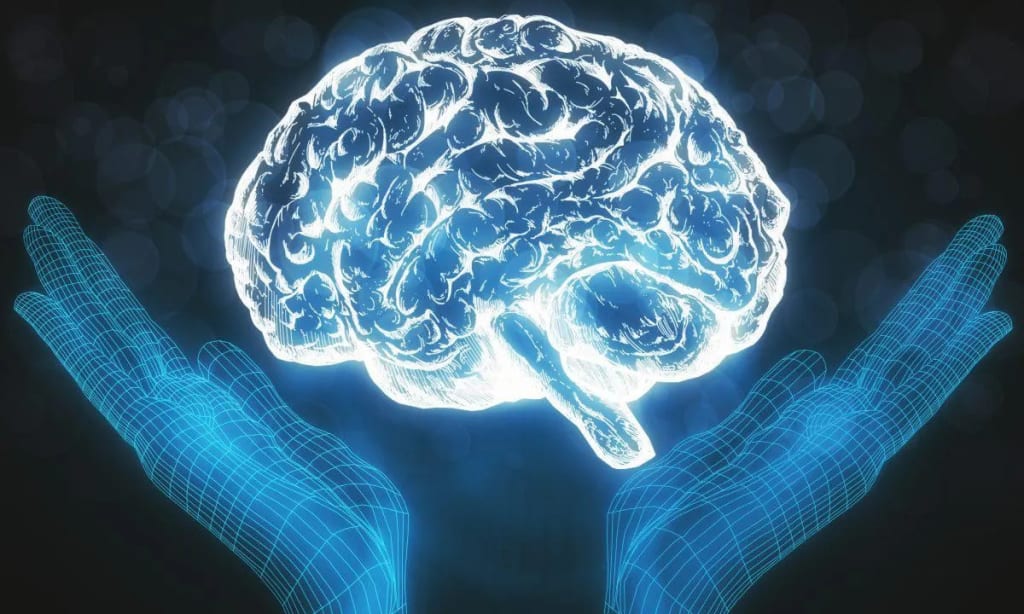
Artificial Intelligence (AI) has emerged as a groundbreaking technology with immense potential to revolutionize various industries, and mental health care is no exception. The integration of AI in mental health diagnosis and treatment holds great promise in improving the accessibility, accuracy, and efficiency of mental health services. By leveraging advanced algorithms, machine learning, and natural language processing, AI systems are capable of enhancing the identification and understanding of mental health disorders, as well as delivering personalized therapeutic interventions. This article explores the transformative impact of AI in mental health, focusing on its role in diagnosis and treatment, ethical considerations, challenges, and future prospects.
1. Introduction
Artificial Intelligence, often referred to as AI, encompasses a range of technologies that enable machines to perform tasks that typically require human intelligence. In recent years, AI has gained significant traction in various fields, including healthcare. Mental health, a critical aspect of overall well-being, has become an area where AI is making remarkable strides.
The significance of mental health diagnosis and treatment cannot be understated. Mental health disorders affect millions of people worldwide, impacting their quality of life, relationships, and overall functioning. However, diagnosing and treating mental health conditions can be complex and resource-intensive, often relying on subjective assessments and the availability of mental health professionals. Here, AI emerges as a powerful ally, offering the potential to transform the landscape of mental health care.
2. AI in Mental Health Diagnosis
2.1 Role of AI in Early Detection of Mental Health Disorders
Early detection of mental health disorders is crucial for effective treatment and prevention of potential complications. AI systems can play a pivotal role in this process by analyzing vast amounts of data to identify patterns and markers indicative of mental health conditions. By examining a range of variables, including speech patterns, facial expressions, social media activity, and physiological data, AI algorithms can assist in the early identification of individuals at risk.
2.2 AI-Based Diagnostic Tools and Algorithms
AI-based diagnostic tools are designed to augment the diagnostic process by providing additional insights and reducing the reliance on subjective assessments. These tools leverage machine learning algorithms to analyze data and identify patterns that may indicate the presence of a mental health disorder. For example, natural language processing techniques can analyze written or spoken language to detect linguistic markers associated with depression or anxiety.
AI algorithms can also process large datasets from brain imaging studies, genetic profiles, and electronic health records to identify potential biomarkers or genetic predispositions related to specific mental health conditions. This data-driven approach allows for more objective and accurate diagnoses, enabling early intervention and tailored treatment plans.
2.3 Machine Learning and Natural Language Processing in Diagnosis
Machine learning algorithms, a subset of AI, are trained on vast amounts of data to learn patterns and make predictions. In the context of mental health diagnosis, machine learning can be utilized to develop models that accurately classify and predict various disorders based on specific symptoms, risk factors, and patient characteristics.
Natural language processing (NLP) techniques enable AI systems to analyze and interpret human language. This has proven valuable in mental health diagnosis, as it allows for the analysis of text-based data such as clinical notes, online forums, and social media posts. By understanding the semantic and contextual meaning of these texts, AI systems can detect signs of distress, emotional states, or potential mental health conditions.
The combination of machine learning and NLP techniques offers a powerful toolset for mental health diagnosis, providing clinicians with additional insights and objective information to support their assessments.
3. AI in Mental Health Treatment
3.1 AI-Powered Therapeutic Interventions
AI is not only limited to diagnosis but also has the potential to transform mental health treatment. AI-powered therapeutic interventions, such as digital therapeutics, use algorithms and virtual platforms to deliver evidence-based interventions to individuals experiencing mental health challenges.
These interventions can include cognitive-behavioral therapy (CBT) programs, mindfulness exercises, mood tracking tools, and interactive self-help modules. By leveraging AI, these interventions can be tailored to the specific needs of individuals, providing personalized support and guidance throughout their mental health journey. AI algorithms can adapt the interventions based on user feedback, progress, and real-time data, enhancing their effectiveness and relevance.
3.2 Virtual Reality and Augmented Reality in Therapy
Virtual reality (VR) and augmented reality (AR) technologies offer immersive and interactive experiences that can be utilized in mental health therapy. VR environments simulate real-world scenarios, allowing individuals to confront and manage their fears or phobias in a controlled and safe setting. AR overlays digital content onto the real world, enhancing therapeutic interventions and promoting skill-building in various contexts.
These technologies provide a unique platform for exposure therapy, social skills training, and relaxation techniques. By creating realistic and customizable environments, VR and AR enable individuals to practice coping strategies, develop resilience, and improve their emotional well-being under the guidance of a therapist.
3.3 Chatbots and Virtual Assistants for Support and Guidance
AI-powered chatbots and virtual assistants are becoming increasingly prevalent in mental health care. These conversational agents can provide support, guidance, and information to individuals in need, offering a convenient and accessible resource anytime and anywhere.
Chatbots can engage in conversations with users, providing empathetic responses, psychoeducation, and resources for self-help. They can assist in managing stress, offering coping strategies, and even act as a first point of contact for individuals seeking mental health support. Virtual assistants can also help individuals track their mood, medication adherence, and lifestyle choices, providing personalized recommendations and reminders.
These AI-based tools complement traditional therapy by extending support beyond scheduled sessions, filling gaps in access to care, and empowering individuals to take an active role in their mental health management.
4. Ethical Considerations in AI-Based Mental Health Care
While the integration of AI in mental health care brings forth numerous benefits, it also raises important ethical considerations that must be addressed.
4.1 Privacy and Data Security
One crucial ethical consideration is the protection of individuals' privacy and the security of their data. AI systems in mental health care often require access to sensitive personal information, including medical records, therapy sessions, and self-reported data. It is imperative to ensure robust data protection measures, secure storage, and strict access controls to maintain confidentiality and prevent unauthorized use or disclosure of personal information.
Transparency in data usage and obtaining informed consent from individuals is equally important. Clear communication about how AI systems process and analyze data, the purposes for which the data is used, and the measures taken to protect privacy builds trust and fosters a positive therapeutic relationship.
4.2 Bias and Fairness in AI Algorithms
Another ethical concern in AI-based mental health care is the potential for bias and unfairness in algorithms. AI systems learn from historical data, which may contain biases and reflect societal inequalities. If these biases are not addressed, it could lead to disparities in diagnosis, treatment recommendations, or access to care.
To mitigate this risk, it is crucial to train AI algorithms on diverse and representative datasets and conduct regular audits to identify and rectify any biases. Collaboration between AI developers, mental health professionals, and ethicists is necessary to ensure fairness, transparency, and accountability in the design and implementation of AI systems.
4.3 Maintaining Human Connection and Empathy
While AI can enhance mental health care in various ways, it is essential to strike a balance between the use of technology and the preservation of human connection and empathy. The therapeutic relationship between a mental health professional and their patient is a crucial factor in successful treatment outcomes.
AI systems should be designed to augment and support the work of human therapists rather than replace them entirely. It is important to consider the emotional and relational aspects of mental health care that can only be provided by a human, such as empathy, intuition, and the ability to understand complex emotions.
Ensuring that AI technologies are integrated in a way that complements and enhances the human touch is vital for ethical and effective mental health care.
5. Challenges and Limitations of AI in Mental Health
While AI has the potential to revolutionize mental health care, it is not without its challenges and limitations. It is important to acknowledge these factors to make informed decisions about the use of AI in clinical practice.
5.1 Reliability and Accuracy of AI-Based Diagnoses
The reliability and accuracy of AI-based diagnoses are still evolving. While AI algorithms can process vast amounts of data and identify patterns, they may not always provide a definitive diagnosis. Mental health disorders are complex and multifaceted, and relying solely on AI systems for diagnosis may lead to inaccuracies or misinterpretations.
AI should be considered as a supportive tool that assists mental health professionals in their decision-making process, rather than a replacement for clinical expertise and judgment.
5.2 Lack of Emotional Understanding by AI Systems
One significant limitation of current AI systems is their limited ability to understand complex human emotions. Mental health disorders often involve intricate emotional experiences and nuances that may be challenging for AI algorithms to fully comprehend.
While AI can analyze objective data such as language and behavioral patterns, it may struggle to capture the subjective and contextual aspects of human emotions. The absence of emotional understanding can limit the effectiveness of AI interventions in certain therapeutic contexts that require empathy, compassion, and emotional connection.
5.3 Potential Overreliance on AI in Mental Health Care
As AI continues to advance, there is a risk of overreliance on technology in mental health care. While AI can enhance efficiency and accessibility, it should not replace the importance of human interaction, therapeutic rapport, and individualized care.
A balanced approach that integrates AI technologies with traditional therapies and ensures human oversight and involvement is crucial. It is essential to continually assess the benefits and limitations of AI systems and prioritize the well being of individuals by maintaining a human-centered approach to mental health care.
6. Future Perspectives and Opportunities
The future of AI in mental health care holds great promise. As technology continues to advance, there are several key areas where AI can further transform the field:
6.1 Advancements in AI Technology for Mental Health
Ongoing advancements in AI technology, such as deep learning algorithms and neural networks, offer the potential for even more accurate and nuanced mental health diagnoses. These advancements can contribute to earlier intervention, personalized treatment plans, and improved outcomes for individuals with mental health disorders.
6.2 Integrating AI with Traditional Therapies
The integration of AI with traditional therapeutic approaches can create powerful synergies. By combining the expertise of mental health professionals with AI technologies, treatment interventions can be tailored to individual needs, monitored in real-time, and adjusted based on feedback and progress. This collaborative approach can enhance the effectiveness and efficiency of mental health care.
6.3 Personalized Treatment Approaches with AI
AI has the potential to revolutionize mental health care by enabling personalized treatment approaches. By analyzing individual characteristics, preferences, and treatment responses, AI algorithms can identify the most effective interventions for specific individuals. This personalized approach can optimize treatment outcomes and improve the overall well-being of individuals with mental health disorders.
7. Conclusion
Artificial Intelligence is transforming the landscape of mental health care, revolutionizing both diagnosis and treatment. By leveraging advanced algorithms, machine learning, and natural language processing, AI systems can enhance the identification and understanding of mental health disorders. Additionally, AI-powered interventions, virtual reality, and chatbots provide innovative and accessible platforms for therapeutic support and guidance. However, it is essential to address ethical considerations, ensure the reliability of AI-based diagnoses, and maintain the human connection and empathy that is fundamental to mental health care. Looking ahead, the future holds great opportunities for further advancements in AI technology, integration with traditional therapies, and personalized treatment approaches. By harnessing the power of AI while upholding ethical standards and preserving human-centric care, we can unlock the full potential of AI in mental health and improve the lives of individuals seeking support and treatment.
8. FAQs (Frequently Asked Questions)
Q: Can AI completely replace human therapists in mental health care?
A: AI cannot replace human therapists entirely. While AI can enhance mental health care by providing additional support and resources, the human element, including empathy, intuition, and emotional understanding, is essential for effective therapy.
Q: Is AI capable of understanding complex human emotions?
A: AI systems have limitations in understanding complex human emotions. While they can analyze objective data and patterns, the subjective and contextual aspects of human emotions are challenging to capture accurately.
Q: How is AI addressing privacy concerns in mental health care?
A: AI in mental health care must prioritize privacy and data security. Robust measures, such as secure storage, strict access controls, and transparent data usage policies, are implemented to protect individuals' personal information.
Q: Are there any cultural biases in AI algorithms for mental health diagnosis?
A: There is a risk of cultural biases in AI algorithms if the training data is not diverse and representative. It is crucial to address these biases through inclusive and comprehensive dataset collection and ongoing audits.
Q: What are the potential risks of overreliance on AI in mental health treatment?
A: Overreliance on AI in mental health treatment can lead to a lack of human connection, the neglect of individualized care, and the potential for algorithmic errors. It is essential to strike a balance between AI technologies and human involvement to ensure ethical and effective mental health care.
About the Creator
Aditi
I Love to Write, I hope you love to read
GCC Generic Drug Market Outlook: Growth Drivers, Competitive Landscape & Emerging Trends
According to IMARC Group's latest research publication, "GCC Generic Drug Market: Industry Trends, Share, Size, Growth, Opportunity and Forecast 2025-2033", The GCC generic drug market size reached USD 6.4 Billion in 2024. Looking forward, IMARC Group expects the market to reach USD 15.9 Billion by 2033, exhibiting a growth rate (CAGR) of 10.04% during 2025-2033.
By Abhay Rajput6 days ago in Futurism
General Purpose vs. Medical AI for HealthTeach Companies
Nowadays, Artificial Intelligence is booming, but not every solution is interchangeable, especially in a clinical setting. General-purpose models are trained on broad data and excel at versatile tasks, but healthcare has unique demands. Founders should note that while general-purpose AI can automate many workflows, they lack the built-in safeguards and domain focus that medical applications require.
By Sergey Laptick5 days ago in Futurism



Comments
There are no comments for this story
Be the first to respond and start the conversation.