
Artificial Intelligence and Automation
The rapid advancements in AI and automation technologies have sparked discussions on their potential benefits and ethical implications across various industries and society as a whole.
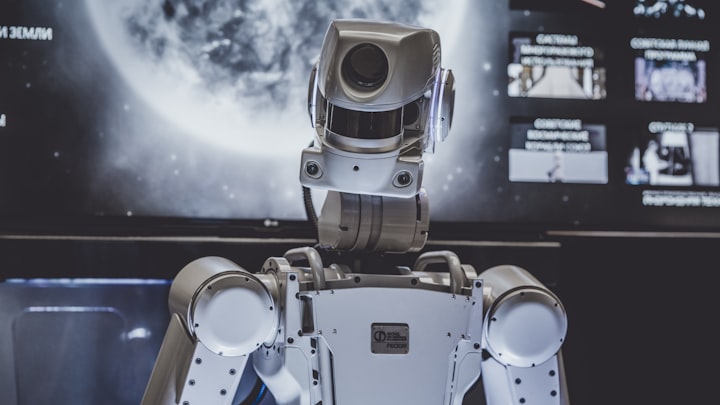
In a world where technology reigned supreme, the rapid advancement of artificial intelligence and automation transformed the way humanity lived and worked. It was a time of great promise and unprecedented challenges, as society grappled with the profound impact of these powerful tools.
In the year 2025, the breakthroughs in AI and automation reached a tipping point, revolutionizing industries across the globe. Machines with unprecedented cognitive abilities and processing power became an integral part of daily life. They could analyze vast amounts of data, make complex decisions, and perform tasks with unparalleled precision and efficiency.
As AI and automation became more pervasive, concerns arose about the future of work. Some feared that these technologies would render human labor obsolete, leading to widespread unemployment and social unrest. However, visionary leaders recognized the potential for collaboration between humans and machines, leveraging their respective strengths to create a prosperous and harmonious society.
One such leader was Dr. Emma Thompson, a brilliant scientist and advocate for responsible AI development. With a deep understanding of the ethical implications, she spearheaded initiatives to ensure that AI and automation served the best interests of humanity.
Under Dr. Thompson's guidance, governments and industry leaders established regulations and guidelines to prevent the misuse of AI and protect human rights. They emphasized the importance of transparency, accountability, and fairness in AI systems, aiming to mitigate biases and ensure equal opportunities for all.
Amidst these efforts, a remarkable story unfolded in the small town of Meadowbrook. The town's main industry, a textile factory, was facing the threat of closure due to global competition. The once-bustling factory had fallen on hard times, and the community was on the brink of economic collapse.
In a last-ditch effort to save the town, Dr. Thompson proposed a groundbreaking solution: a partnership between humans and AI-driven automation. The factory workers would be upskilled and trained to work alongside intelligent machines, leveraging their collective abilities to enhance productivity and competitiveness.
The townspeople, initially skeptical, embraced the opportunity with cautious optimism. The workers underwent extensive training programs, learning new skills and adapting to the intricacies of working alongside intelligent machines. The integration was not without challenges, as some feared being replaced by automation. But Dr. Thompson's vision and guidance provided reassurance, emphasizing the importance of human creativity and emotional intelligence in the workplace.
As the transformed factory sprung back to life, the synergy between humans and machines became evident. The workers found that automation relieved them of monotonous and physically demanding tasks, allowing them to focus on higher-level decision-making, problem-solving, and innovation. The machines, in turn, learned from human expertise, adapting and improving their algorithms to better serve the collective goals of the factory.
The revitalized textile factory of Meadowbrook quickly gained recognition for its innovative approach and high-quality products. The once-desolate town regained its vitality, as new jobs were created, and local businesses flourished. Other communities, inspired by Meadowbrook's success story, began embracing AI and automation as a means to revitalize their own struggling industries.
The positive impact of AI and automation extended far beyond Meadowbrook. In healthcare, AI algorithms empowered doctors to make more accurate diagnoses, leading to improved patient outcomes. Transportation became safer and more efficient as autonomous vehicles navigated the roads. Agriculture embraced precision farming techniques, optimizing resource usage and reducing environmental impact.
Yet, despite the progress, challenges remained. Ethical debates around AI continued to shape public discourse. The potential for privacy breaches and the concentration of power in the hands of a few technology giants raised concerns. Society grappled with the responsibility of ensuring that AI and automation were harnessed for the greater good, rather than becoming instruments of control or inequality.
About the Creator
Keep reading
More stories from Abdul Ahad and writers in Futurism and other communities.
The Time Traveler's Dilemma
In the year 2150, time travel had become a reality. Dr. Amelia Collins, a brilliant physicist, stood before the time machine she had spent years designing and perfecting. The possibilities were endless, but she knew there was a dilemma she couldn't ignore.
By Abdul Ahad3 years ago in Futurism
Digital Identity Could Empower or Imprison Us: It Depends How We Build It
The Promise of Modern Identity Everyday life already depends on proving who we are, from applying to jobs, renting homes, accessing financial services or travelling abroad. An improvement to this system is a welcome change when done correctly, making everyday interactions smoother for people and businesses alike. That is the promise of Digital identity, but its success will depend on whether it will deliver those benefits of convenience without creating new risks of data misuse or surveillance in a way to install control across both online and offline.
By The Registry5 days ago in Futurism
Tactical Communication Market to Hit Nearly USD 39.1 billion by 2034
Tactical Communication Market Overview The Global Tactical Communication Market is projected to reach approximately USD 39.1 Billion by 2034, increasing from USD 21.4 Billion in 2024, reflecting a CAGR of 6.2% during the forecast period from 2025 to 2034. Market expansion is largely driven by rising investments in advanced military communication infrastructure and the growing need for secure, real time data exchange during defense operations. Tactical communication systems support battlefield coordination, intelligence sharing, and command and control functions across modern military environments.
By Roberto Crumabout 19 hours ago in Futurism



Comments
There are no comments for this story
Be the first to respond and start the conversation.