
American Airlines Tests New Technology to Stop Passengers from Skipping Boarding Groups
"American Airlines Tests New Technology to Prevent Early Boarding and Improve Passenger Experience"
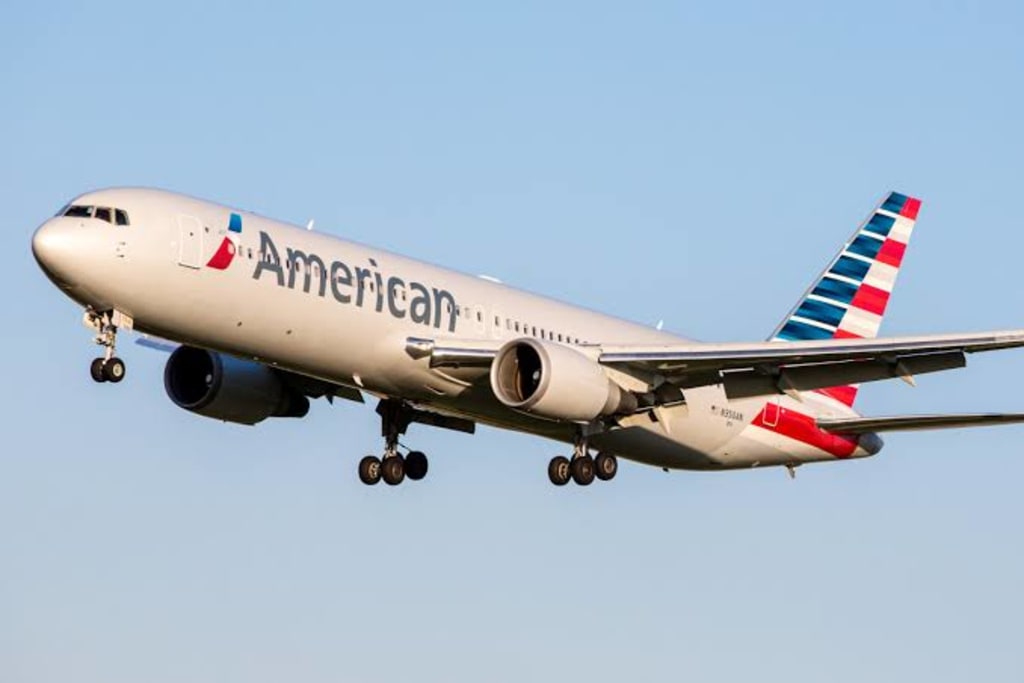
Anyone who has flown recently knows the frustration of boarding. Even before a zone is called, passengers crowd the gate, eager to get on the plane as quickly as possible. These people, often called “gate lice,” hover around, attempting to board before their assigned group is called. It’s an issue that has annoyed travelers for years. Now, American Airlines is trying out a new system to tackle the problem.
A New Approach to Boarding
American Airlines has begun testing a new technology that aims to make the boarding process smoother by stopping people from trying to board early. This system produces a sound whenever a passenger attempts to get on the plane ahead of their group, alerting the gate agent. The goal is to reduce the number of people trying to skip the line and make the boarding process more organized and efficient.
The technology is still in its early testing phase and has been introduced in a few select airports. So far, it has been tested at Albuquerque International Sunport in New Mexico, Tucson International Airport in Arizona, and Ronald Reagan Washington National Airport in Virginia.
Why Is This Needed?
Anyone who flies often knows that boarding can be one of the most frustrating parts of traveling. After hours of waiting, passengers tend to gather around the gate once boarding begins, even if their group hasn’t been called yet. This clogs up the space and can create confusion for those whose boarding group is actually being called.
The term “gate lice” has become a common, albeit unflattering, nickname for these impatient passengers. They’ve become a well-known part of air travel culture, often talked about in blogs, forums, and social media. Despite the jokes and criticisms, the problem persists at airports across the country.
With this new system, American Airlines hopes to reduce the crowding and give passengers a clearer sense of when it’s truly their turn to board. If the technology works, it could make the boarding process faster, smoother, and less stressful for both travelers and gate agents.
How the System Works
The idea behind the new technology is simple. When a passenger scans their boarding pass to enter the plane, the system checks to see if it’s their correct boarding group. If they’re trying to board too early, the system will trigger an audible alert, signaling the gate agent that the passenger is attempting to skip ahead.
This technology aims to remove the confusion and guesswork from the boarding process. Instead of gate agents manually checking every boarding pass, the system will automatically catch anyone trying to board out of turn. This not only makes the process faster but also helps the gate agents focus on other tasks, improving overall efficiency.
Where It’s Being Tested
As mentioned, American Airlines has started testing the system at three U.S. airports: Albuquerque International Sunport, Tucson International Airport, and Ronald Reagan Washington National Airport. These locations were chosen as part of the airline’s initial test phase. Depending on how the system performs, it could be rolled out to more airports in the future.
American Airlines has not yet confirmed when, or if, this technology will be implemented across all airports. However, if the testing goes well, it’s likely that the system will expand to more locations, offering relief to frustrated travelers everywhere.
Potential Benefits for Travelers
If the new system works as intended, passengers could see several improvements in their boarding experience. First, there may be less crowding around the gate area, as people will be discouraged from trying to sneak in early. This would create a more organized environment, making it easier for those in the correct group to board without pushing through a crowd.
Additionally, gate agents would no longer need to spend as much time manually checking boarding groups. Instead, they can rely on the system to catch those boarding early, freeing up their time to assist with other important tasks.
In the long run, this technology could speed up the boarding process for everyone. With fewer interruptions from early boarders, each group could be called and processed more efficiently, helping flights take off on time.
What This Means for the Future of Flying
If this new boarding system proves successful, it could mark a significant change in how airlines manage their passengers. For years, airlines have tried to improve the boarding process, but the issue of passengers crowding the gate has remained a persistent challenge. By using technology to assist gate agents, airlines like American Airlines may be able to provide a smoother, less stressful experience for all passengers.
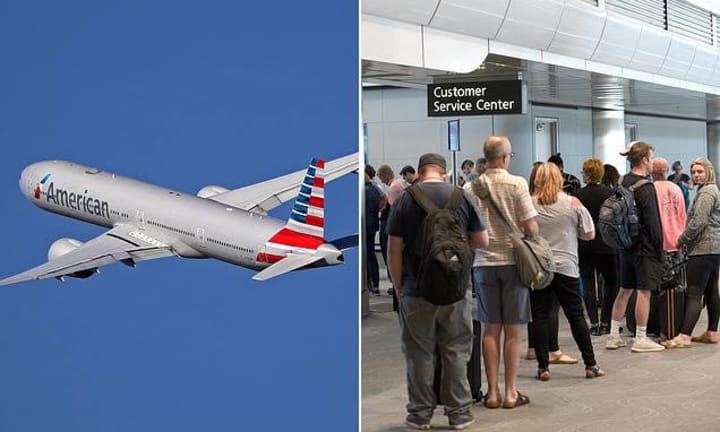
In the future, we could see similar systems being adopted by other airlines, creating a more streamlined boarding experience across the board. Passengers who frequently travel may find that these systems help reduce some of the chaos and frustration that often comes with air travel.
For now, it’s clear that American Airlines is taking steps to address a common complaint among travelers. If this new technology catches on, we might finally see the end of “gate lice” and enjoy a calmer, more orderly boarding experience.
Final Thoughts
Air travel can be stressful enough without the added annoyance of people trying to cut in line during the boarding process. American Airlines’ new technology aims to address this issue by stopping passengers from skipping their boarding group. While it’s still in the testing phase, this system could be a game-changer for the airline industry if it proves successful.
As travelers, we can all appreciate any effort to make flying a little less hectic. With time, this new technology might just make the frustrating moments at the gate a thing of the past.
About the Creator
Handicrafts Market: Global Handmade Goods Expansion, Craft Innovation & Industry Growth
According to IMARC Group's latest research publication, the global handicrafts market reached USD 986.9 Billion in 2025. Looking forward, IMARC Group expects the market to reach USD 2,038.0 Billion by 2034, exhibiting a growth rate (CAGR) of 8.39% during 2026-2034.
By sujeet. imarcgroupabout 10 hours ago in Futurism
Voice AI in Smart Homes Market to hit USD 514.62 Billion By 2034
Voice AI in Smart Homes Market Overview According to Market.us latest research publication, the Voice AI in Smart Homes Market is projected to reach around USD 514.62 billion by 2034, rising from USD 12.7 billion in 2024, reflecting a strong 44.8% CAGR between 2025 and 2034. In 2024, North America maintained a leading position with more than 38.2% of global revenue, accounting for approximately USD 4.8 billion.
By Roberto Crum5 days ago in Futurism



Comments
There are no comments for this story
Be the first to respond and start the conversation.