
AI-Powered Grid Stability: Ensuring a Sustainable Energy Future
Real-time Monitoring, Control, and Optimization with Artificial Intelligence

Introduction
Grid stability is essential for maintaining a constant frequency and voltage within power systems, ensuring uninterrupted electricity supply. To achieve this, the power industry embraces cutting-edge technology, with Artificial Intelligence (AI) playing a central role. This article explores the pivotal role of AI in real-time monitoring and control for grid stability, delving into the concept of grid stability, the factors affecting it, and the consequences of instability. It also discusses the evolution of grid management, the limitations of traditional approaches, and the need for real-time solutions. Furthermore, it explores how AI technologies function in this context, the benefits they bring, and real-world applications demonstrating their effectiveness. Challenges, considerations, and future grid stability with AI are also discussed.
Understanding Grid Stability
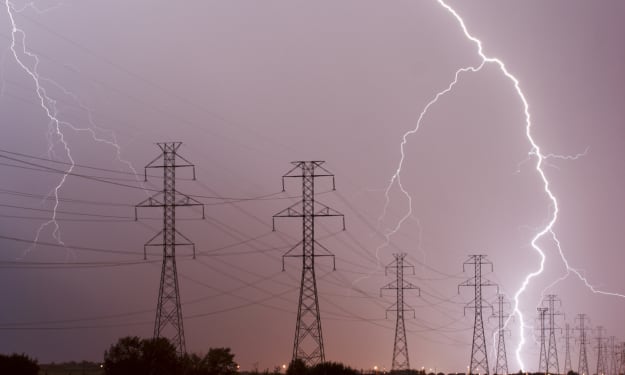
Grid stability refers to an electrical power system's ability to maintain a constant frequency and voltage within predefined limits, even when subjected to disturbances and changes in demand. It ensures a consistent electricity supply without voltage fluctuations or frequency deviations, making it crucial for the reliable operation of electrical devices. Various factors can affect grid stability, including sudden demand changes, renewable energy integration, equipment failures, and unexpected events like severe weather conditions or cyberattacks. Grid instability can lead to voltage sags, frequency deviations, and even blackouts, with consequences spanning economic losses, infrastructure damage, and disruptions to critical services.
The Evolution of Grid Management
Traditional grid management relied on manual and rule-based systems, with operators monitoring and adjusting the grid based on established guidelines. However, as power grids expanded and integrated renewable energy sources, the need for real-time monitoring and control became apparent. Traditional methods struggled to handle the dynamic nature of modern power systems, prompting a shift toward more responsive and adaptive solutions.
AI in Real-time Monitoring and Control
AI has emerged as a game-changing technology in real-time monitoring and control for grid stability. AI systems, including machine learning and deep learning, process vast amounts of real-time data, detect anomalies, and make autonomous decisions. AI-driven grid management encompasses the following steps:
- Data Collection: AI collects extensive data from various grid sources, including sensors, historical performance data, and weather forecasts.
- Data Preprocessing: Collected data undergoes preprocessing to ensure quality, remove noise, and correct errors.
- Machine Learning Applications: AI models are trained on historical data to learn grid patterns and behaviors, identifying deviations from normal conditions.
- Real-time Monitoring: AI continuously monitors the grid, analyzing sensor data and other sources to detect anomalies. It can take immediate corrective actions or alert human operators when deviations are identified.
Benefits of AI-driven Real-time Monitoring and Control
The adoption of AI in grid stability offers significant benefits:
- Improved Grid Stability: AI rapidly responds to disturbances, maintaining stability even during unexpected events.
- Enhanced Reliability: AI reduces the risk of power outages and voltage fluctuations, ensuring reliable power supply.
- Efficient Resource Allocation: AI optimizes resource allocation, minimizing waste while meeting demand.
- Predictive Maintenance: AI predicts equipment failures, enabling proactive maintenance and minimizing downtime.
Real-world Applications
AI's impact on grid stability is evident in various real-world applications:
- Demand Forecasting: AI accurately predicts electricity demand based on historical data and weather forecasts, aiding resource allocation.
- Renewable Energy Integration: AI manages renewable energy variability by forecasting solar and wind power generation, facilitating grid balancing.
- Fault Detection: AI detects grid faults and takes corrective actions to prevent cascading failures.
- Cybersecurity: AI monitors the grid for cyber threats and identifies anomalies in network traffic to detect potential attacks.
Challenges and Considerations
AI implementation for grid stability presents challenges and considerations:
- Data Security and Privacy: Grid data may contain sensitive information, necessitating robust security and privacy measures.
- Integration with Legacy Systems: Compatibility with legacy infrastructure may pose integration challenges.
- Human Expertise: AI should complement human expertise, as human operators play crucial roles in complex decision-making and emergencies.
- Ethical and Safety Standards: AI systems must align with ethical and safety standards to ensure responsible decision-making.
The Future of Grid Stability with AI
The future of grid stability with AI looks promising, with emerging trends such as autonomous grid management, sustainability considerations, explainable AI, and more. AI-driven real-time monitoring and control transform grid stability, ensuring a reliable and sustainable power supply for future generations. AI's role in this critical area will become increasingly pivotal as technology advances.
Conclusion
AI-powered grid stability through real-time monitoring, control, and optimization reshapes the energy landscape. AI's ability to process real-time data, detect anomalies, and make rapid decisions offers substantial benefits, including improved grid stability, enhanced reliability, and efficient resource allocation. While challenges exist, the potential benefits make AI-driven grid management an essential component of our energy future. As technology advances, AI's role in ensuring grid stability will become increasingly pivotal, securing a reliable and sustainable power supply. To learn more about how Splight enables AI to ensure grid stability, visit splight-ai.com.
About the Creator
GCC Used Car Market Analysis: Industry Overview, Key Players & Future Outlook
According to IMARC Group's latest research publication, GCC used car market size reached USD 24.5 Billion in 2025. The market is projected to reach USD 49.2 Billion by 2034, exhibiting a growth rate of 8.05% during 2026-2034.
By Abhay Rajput5 days ago in Futurism
Digital Therapeutics Industry Outlook: Investment Trends & Growth Drivers
According to IMARC Group's latest research publication, global digital therapeutics market size reached USD 7.1 Billion in 2024. Looking forward, IMARC Group expects the market to reach USD 28.7 Billion by 2033, exhibiting a growth rate (CAGR) of 16.8% during 2025–2033.
By sujeet. imarcgroupabout 5 hours ago in Futurism



Comments