
Advanced Integrations Every Business Should Look for in Custom Software
Advanced Integrations in Custom Software

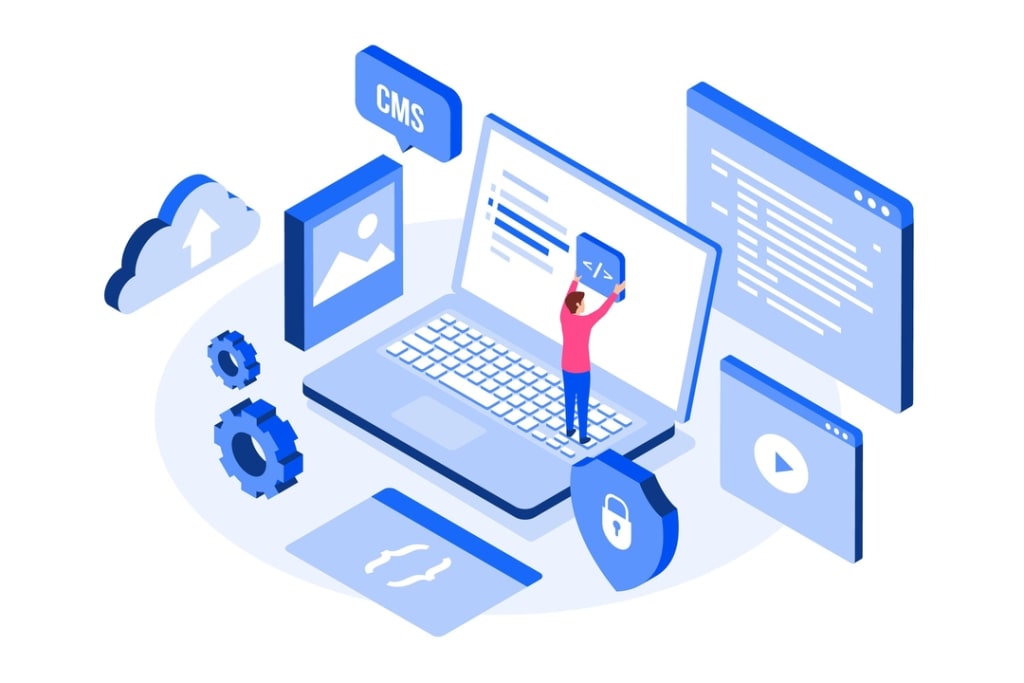
Custom software today is not merely about developing a system that functions. It's about developing one that fits within the broader ecosystem of tools, platforms, and technologies an organization relies on. Sophisticated integrations in custom software enable businesses to tie operations, data, and customer experiences into a cohesive framework. This saves time, automates effort, and improves efficiency, scalability, and decision-making.
For companies looking to implement new software solutions or upgrade existing ones, it is crucial to know what integrations to focus on in order to make the difference between a decent system and a game-changer.
1. Cloud Service Integrations
Cloud technologies have established themselves as the cornerstone of contemporary business activities. Integration of your custom software with top cloud providers such as AWS, Microsoft Azure, or Google Cloud ensures:
- Scalability to match increasing data and user needs
- Cost-effectiveness through pay-as-you-go infrastructure
- Data security with enterprise-level protection and compliance enablement
For enterprises, cloud integration also provides remote accessibility, high availability, and effortless collaboration between global teams.
2. AI and Machine Learning Integrations
Artificial Intelligence (AI) and Machine Learning (ML) functionalities can revolutionize how custom software functions. Through the inclusion of AI-driven features, companies benefit from:
- Predictive analytics for more intelligent decision-making
- Natural Language Processing (NLP) to drive chatbots or automated customer support
- Process automation that eliminates redundant manual processes
For instance, a retail software's recommendation engine powered by AI can tailor shopping experiences directly enhancing customer satisfaction and sales.
3. IoT Integrations
Manufacturing, logistics, and healthcare industries heavily depend on IoT devices. IoT-integrated custom software can:
- Gather real-time data from connected devices and sensors
- Facilitate predictive maintenance by tracking equipment condition
- Enhance supply chain visibility with real-time tracking
This integration is especially beneficial to companies pursuing data-driven effectiveness and increased customer confidence through openness.
4. Payment Gateway and Financial System Integrations
For any customer-facing platform, efficient and secure payment processing is a must. Sophisticated payment integrations include:
- Multi-currency and cross-border payment support for international companies
- Integration with digital wallets such as Apple Pay, Google Pay, and PayPal
- Fraud detection systems for secure transactions
In addition, integration of software with accounting systems like QuickBooks, Xero, or SAP automates invoicing, payroll, and reporting, eliminating friction from business operations.
5. CRM and ERP System Integrations
Customer Relationship Management (CRM) and Enterprise Resource Planning (ERP) systems are central to most businesses. Integrating them into your bespoke software guarantees:
- Unified customer insights across sales, marketing, and support
- Streamlined workflows between departments
- Better reporting and forecasting with centralized data
For example, combining Salesforce or HubSpot with a custom solution allows companies to monitor the entire customer path without data silos. Most companies choose on a trusted custom software development company to develop such integrations effectively and ensure that the solution meets their individual operational requirements.
6. Data Analytics and Business Intelligence Tools
Data is perhaps the most valuable asset for any organization. Heavy integrations with analytics platforms such as Power BI, Tableau, or Looker have the potential to turn raw data into actionable insights. The benefits are:
- Real-time dashboards to monitor KPIs
- Custom reporting for strategic decision-making
- Forecasting and trend analysis to beat the competition
By integrating analytics into custom software, companies enable leaders to respond proactively rather than reactively.
7. Cybersecurity and Compliance Integrations
With increasing cyber threats and stringent compliance obligations like GDPR, HIPAA, and PCI DSS, companies cannot afford to ignore security integrations. Some of these include:
- Identity and access management solutions like Okta or Auth0
- Encryption and threat detection solutions for sensitive information
- Automated compliance monitoring solutions for regulated sectors
These integrations safeguard company assets as well as customer trust, ensuring long-term viability.
8. Collaboration and Communication Tools
With remote and hybrid work being the current norm, embedding tools such as Slack, Microsoft Teams, or Zoom into bespoke software maximizes collaboration. Companies benefit from:
- Having communication in one place within their processes
- Scheduled reminders and notifications to keep teams on track
- Seamless file exchange and task assignment between projects
- This leads to more efficient teams and quicker decision cycles.
9. Third-Party API Integrations
Current companies tend to make use of niche external platforms whether marketing automation, logistics, or human resources. Embedding flexibility in bespoke software with API integrations ensures:
- Rapid adaptation to new tools
- Smooth data transfer between systems
- Lower development costs through reuse of existing solutions
API-based integrations future-proof software investments by enabling companies to change without having to begin a new.
Conclusion
Custom software is an investment that should expand as your business grows. The true strength of new solutions, however, is not just in their foundation features but also in the extent to which they integrate with other technologies and systems. From AI and cloud platforms to IoT, payment systems, and top-tier security, all these integrations form a basis for efficiency, innovation, and future competitiveness.
Companies that focus on advanced integrations within their bespoke software strategies will be well placed to automate processes, improve customer experiences, and grow with confidence in an ever-evolving digital economy.
About the Creator
Kiran Moda
Passionate Techwriter: I love to empower business leaders with technological innovations. Let's explore the technical world, from software development to AI.
Keep reading
More stories from Kiran Moda and writers in Futurism and other communities.
AI Agents and Their Impact on the Transformation of Global Supply Chain Systems
Most business owners will agree that your supply chain can be your biggest problem or a significant reason behind your business success. Imagine the situation when you receive late shipments or your demand spikes unexpectedly -just one little hiccup, and your entire process can mess up. This eventually leads to customer dissatisfaction and ruins your brand reputation.
By Kiran Moda6 months ago in Futurism
Ball Bearing Market: Aftermarket Replacement Demand, Maintenance Solutions & Industry Growth Ahead
According to IMARC Group's latest research publication, the global ball bearing market size reached USD 45.46 Billion in 2024. Looking forward, IMARC Group expects the market to reach USD 65.05 Billion by 2033, exhibiting a growth rate of 3.65% during 2025-2033.
By sujeet. imarcgroup7 days ago in Futurism
Australia Digital OOH Advertising Market: Technology Adoption, Audience Targeting & Programmatic Growth
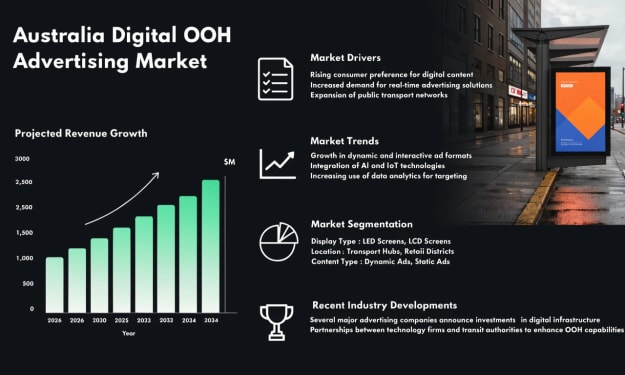
According to IMARC Group, the Australia digital out-of-home (OOH) advertising market reached USD 474.2 Million in 2025 and is projected to grow to USD 1,096.9 Million by 2034, exhibiting a compound annual growth rate (CAGR) of 9.47% during 2026–2034. The market’s expansion reflects the rapid digital transformation of outdoor advertising infrastructure across Australia. Increasing smartphone penetration, advancements in display technologies and the growing shift from traditional static billboards to data-driven digital platforms are redefining how brands connect with audiences. Government-backed smart city initiatives and the rising integration of programmatic buying are further strengthening market momentum.
By Kevin Cooper7 days ago in Futurism



Comments
There are no comments for this story
Be the first to respond and start the conversation.