
2025 Resolutions: How AI Can Help You Stick to Them
"Leveraging Artificial Intelligence to Turn Your 2025 Goals into Reality"
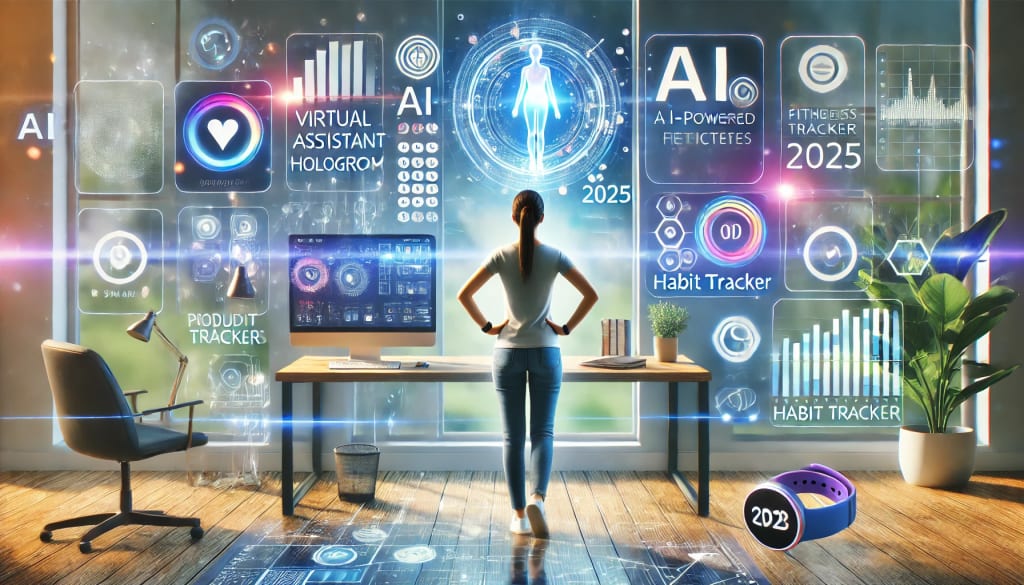
The start of a new year brings fresh opportunities to set goals and resolutions. For many, 2025 will be no different. Whether it's getting healthier, improving productivity, or learning a new skill, sticking to resolutions has always been a challenge. But this year, there’s a game-changer: artificial intelligence (AI). From personalized guidance to seamless task management, AI can empower you to achieve your goals more effectively than ever before.
Why Resolutions Fail
Before diving into how AI can help, it’s essential to understand why resolutions often fail. Common reasons include:
• Lack of accountability: Without someone or something keeping track, it’s easy to let goals slide.
• Unrealistic expectations: Many resolutions lack specificity or are too ambitious.
• Poor planning: Achieving goals requires actionable steps, not vague intentions.
• Loss of motivation: Enthusiasm can wane without consistent reminders or rewards.
AI addresses these challenges by providing structure, personalization, and support in a way that keeps you on track.
How AI Can Help You Achieve Your 2025 Resolutions
1. Personalized Goal Setting with AI Tools

AI-powered apps like ChatGPT, Replika, or Notion AI can help you define specific, realistic, and measurable goals. These tools analyze your preferences, habits, and past behavior to recommend actionable steps tailored to your unique circumstances.
For example, if your resolution is to exercise more, AI fitness apps like Fitbod or Future can create a customized workout plan based on your fitness level, preferences, and progress. Similarly, if your goal is to save money, budgeting tools like YNAB or Mint use AI to analyze spending patterns and suggest saving strategies.
2. Accountability Through Virtual Assistants
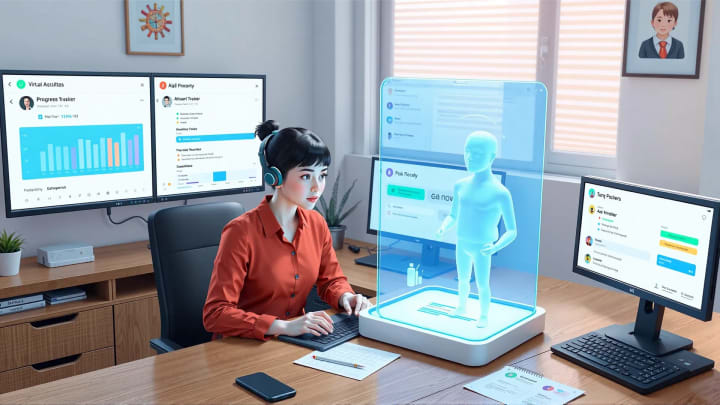
AI assistants like Alexa, Google Assistant, or Siri can act as your accountability partners. You can set reminders, schedule regular check-ins, and track your progress in real-time. These virtual assistants can send you daily or weekly updates, ensuring you stay committed to your goals.
For instance, if you aim to read more books in 2025, an AI assistant can remind you to carve out reading time, recommend books based on your interests, and track your reading list.
3. Boosting Productivity with Smart Scheduling
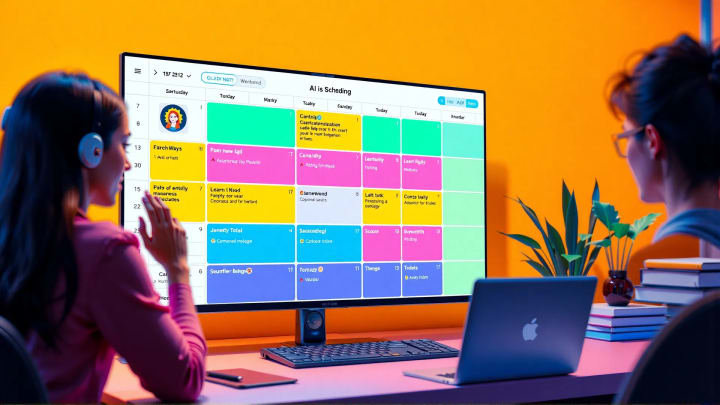
One of the biggest obstacles to achieving resolutions is time management. AI-driven scheduling tools like Motion, Clockwise, or Microsoft’s Viva Insights can help you optimize your calendar. These tools analyze your daily routines and suggest time blocks for specific tasks, minimizing distractions and improving efficiency.
For example, if you’re learning a new skill, such as coding or playing an instrument, AI can recommend the best times to practice and adjust your schedule as needed.
4. Sustaining Motivation with AI Gamification
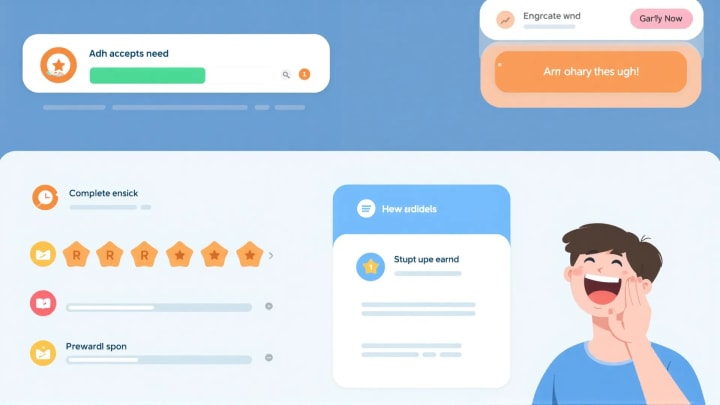
Many AI apps use gamification to keep users motivated. By turning mundane tasks into engaging challenges, they make the journey toward your goals enjoyable. Platforms like Duolingo for language learning or Habitica for habit tracking reward you with points, badges, or virtual prizes for completing tasks.
This approach not only makes goal-setting fun but also creates a sense of accomplishment that motivates you to keep going.
5. Leveraging AI for Emotional Support

Resolutions often falter due to stress or emotional setbacks. AI chatbots like Woebot or Wysa provide mental health support by offering coping strategies, mindfulness exercises, and empathetic conversations. By addressing emotional roadblocks, these tools help you stay focused on your goals.
For example, if your resolution is to manage stress better, AI-powered meditation apps like Calm or Headspace can guide you through relaxation techniques and monitor your progress.
6. Tracking Progress with AI Analytics
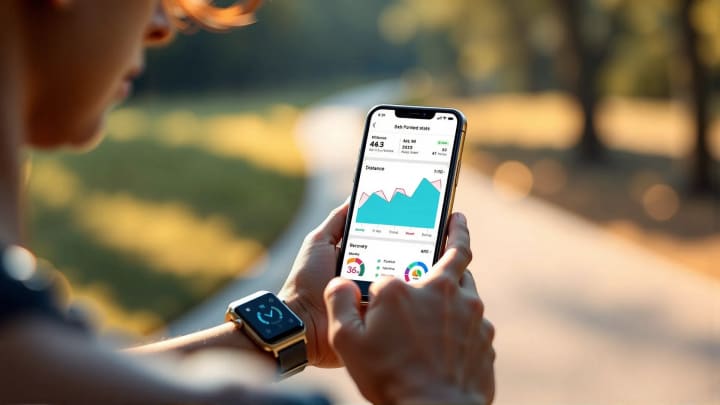
AI excels at data analysis, which makes it an ideal tool for tracking your progress. Wearable devices like Fitbit, Garmin, or Apple Watch collect data on your physical activity, sleep, and other metrics, while AI analyzes these patterns to give you actionable feedback.
For example, if your goal is to run a marathon, AI fitness trackers can monitor your pace, endurance, and recovery, providing insights to help you improve.
Tips for Using AI Effectively
While AI can be a powerful ally, success ultimately depends on how you use it. Here are some tips:
• Choose the right tools: Research AI platforms that align with your specific goals.
• Set realistic expectations: Use AI to complement your efforts, not as a shortcut.
• Stay consistent: Regular engagement with AI tools is key to building lasting habits.
• Celebrate milestones: Use AI to track and celebrate small wins along the way.
Looking Ahead: AI as a Life Coach
As AI continues to evolve, its role in personal development will only grow. Imagine having a virtual life coach that understands your needs, adapts to your lifestyle, and guides you every step of the way. The possibilities are limitless, and 2025 could be the year you fully embrace this technology to transform your life.
With AI by your side, sticking to resolutions doesn’t have to be a struggle. Instead, it becomes an exciting, rewarding journey toward becoming the best version of yourself. So, let’s make 2025 the year we not only set goals but achieve them—with a little help from AI.
About the Creator
About Binding Prometheus
I want to start actively advocating on behalf of my own work, and the most valuable part of my canon is, without a doubt, Binding Prometheus, the play I have been working on since 2019 and only finished in 2023 as part of my MA. The play itself is an amalgamation of a million different inspirations. On one end, it evokes the Ancient Greek myth-play, deriving its own title from the earliest extant work of Western drama we have, Aeschylus’s Prometheus Bound. On the other end, it borrows significantly from the sci-fi bulwarks from over the years, namely Mary Shelley’s Frankenstein and Karel Capek’s Rossum’s Universal Robots. The play could be an episode of Black Mirror, I fear. I don’t know. I’ve only ever seen one episode of Black Mirror.
By Steven Christopher McKnight17 days ago in Futurism
Saudi Arabia Software Market: AI Integration, Vision 2030, Enterprise Solutions & Growth Outlook
Saudi Arabia's software market thrives on Vision 2030 initiatives, driving demand for cloud-native solutions and AI-integrated enterprise tools that empower sectors like fintech and healthcare with seamless digital transformation. According to IMARC Group's latest research publication, Saudi Arabia software market size reached USD 8.1 Billion in 2025. The market is projected to reach USD 23.5 Billion by 2034, exhibiting a growth rate (CAGR) of 12.57% during 2026-2034.
By Jeffrey Wilson3 days ago in Futurism


Comments
There are no comments for this story
Be the first to respond and start the conversation.