
15 Viral Nano Banana Prompts Taking Over Google Right Now
Create 3D figures, Ghibli-style art, and pro mockups with AI to boost your creative projects.


Discover 15 viral Nano Banana prompts dominating Google searches in 2025. Learn to create stunning 3D figures, Ghibli-style art, and professional mockups with AI. Perfect for content creators and mobile app development.
Table of Contents
- Introduction
- The Art of the Perfect Prompt
- Turning Yourself into a 3D Action Figure
- Creating Adorable Chibi Knitted Dolls
- Designing Character Capsules
- Crafting Perfect iPhone Selfies
- Transforming into Funko Pop Figures
- Embracing the Ghibli Aesthetic
- Mastering Product Mockups
- Exploring Image Fusion Techniques
- Animating Your Creations
- Practical Applications for Content Creators
- Nano Banana Versus Other AI Tools
- The Future of AI Image Generation
- Conclusion
Introduction
The AI community is currently experiencing an unprecedented revolution, thanks to the arrival of Nano Banana. Powered by Google's Gemini 2.5 Flash Image model, this groundbreaking technology has fueled over 200 million creative edits and attracted millions of new users to the world of AI image generation. What sets Nano Banana apart is its blazing-fast generation speed, consistent results, and photorealistic output that makes it incredibly easy to transform simple photos into stunning 3D figurines, retro artworks, or cinematic posters .
The viral nature of Nano Banana prompts has taken social media by storm, with platforms like X (formerly Twitter), Instagram, and TikTok flooded with incredible transformations. From turning personal photos into collectible action figures to reimagining pets as animated characters, the creative possibilities seem endless. This phenomenon represents a significant shift in how both casual users and professionals approach image editing and content creation, making sophisticated visual effects accessible to everyone regardless of their technical skills or artistic background .
1. The Art of the Perfect Prompt
Creating stunning images with Nano Banana requires more than just uploading a photo and clicking generate it demands mastery of the art of prompting. According to Google's official guidelines, the core principle is: "Describe the scene, don't just list keywords." The model's strength lies in its profound language understanding capabilities, meaning a narrative, descriptive paragraph almost always produces better and more coherent images than a simple, incoherent list of words .
Understanding this distinction separates casual users from power creators. Instead of typing "cute dog cartoon," successful prompters write: "A kawaii-style sticker of a happy corgi wearing a tiny crown, munching on a treat, with bold clean outlines, simple cel-shading, and a vibrant color palette against a white background." This level of detail gives the AI clear direction, resulting in higher quality outputs that match your vision. The difference is evident when comparing results detailed prompts yield professional-looking images while vague requests produce generic results .
Table: Essential Prompt Components
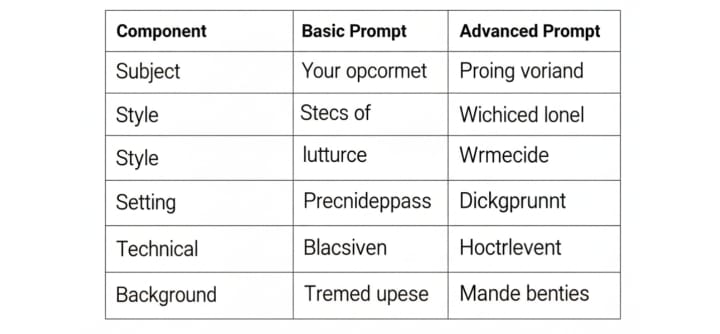
Beyond the basic structure, successful prompters employ several advanced techniques. They use specific photographic terminology (e.g., "85mm portrait lens," "shallow depth of field," "golden hour lighting"), reference known artistic styles ("Ghibli-style," "noir art," "cyberpunk"), and include precise compositional details ("positioned in the bottom-right of the frame," "significant negative space"). These elements combine to give Nano Banana clear creative direction, ultimately saving time and credits while producing superior results .
2. Turning Yourself into a 3D Action Figure
The most viral Nano Banana trend currently dominating social media is the transformation of ordinary photos into professional-looking 3D action figures. This prompt creates astonishingly realistic PVC-style figures complete with packaging and studio settings that look like they belong in high-end collectible stores. The magic lies in how the AI understands lighting, materials, and composition to create convincing 3D representations from flat 2D images .
The standard formula for this effect involves specifying: "Create a realistic 1/7 scale PVC-style figurine of the referenced character, accurately preserving face, pose, hair, clothing, and details. Place it on a round display base. Scene: a computer desk showing ZBrush modeling of the figure on the monitor. Beside it, add a glossy commercial packaging box with rounded corners, a transparent window, and a blister insert showing the figure inside. Render in an authentic collectible figure photography style with realistic lighting, depth, and materials" . This comprehensive prompt guides the AI through multiple elements that combine to create the viral effect.
What makes this particular prompt so effective is its attention to authentic details that collectibles enthusiasts would recognize. The specific scale (1/7), the mention of professional software (ZBrush), and the precise packaging description (rounded corners, transparent window, blister insert) all contribute to creating a believable result. The lighting description is particularly crucial using terms like "studio-lit" and "realistic materials" helps the AI understand the photographic style used to shoot actual collectible figures .
3. Creating Adorable Chibi Knitted Dolls
Another prompt that's generating massive engagement transforms photos into adorable chibi-style knitted dolls. The charm of this approach lies in its combination of multiple appealing elements: the cuteness of chibi characters, the handmade aesthetic of knitted toys, and the warmth of nostalgic childhood memories. This prompt has proven particularly popular for turning photos of children, pets, and anime characters into shareable content .
The effective formula for this style is: "A close-up, professionally composed photograph showcasing a hand-crocheted yarn doll gently cradled by two hands. The doll has a rounded shape, featuring the cute chibi image of the [upload image] character, with vivid contrasting colors and rich details. The hands holding the doll are natural and gentle, with clearly visible finger postures, and natural skin texture and light/shadow transitions, conveying a warm and realistic touch. The background is slightly blurred, depicting an indoor environment with a warm wooden tabletop and natural light streaming in from a window, creating a comfortable and intimate atmosphere" .
What makes this prompt particularly effective is its emotional storytelling element. The inclusion of hands holding the doll creates a sense of tenderness and care, while the description of lighting and environment sets a specific mood. The AI uses these narrative cues to determine everything from color palette to composition, resulting in images that feel intentionally crafted rather than randomly generated. This attention to emotional detail explains why these creations perform so well on social media platforms .
4. Designing Character Capsules
The character capsule prompt taps into the universal appeal of collectible toys and the excitement of gashapon (capsule toy) machines. This style places subjects inside transparent capsules as detailed dioramas, creating instantly recognizable collectibles that appeal to anime fans, gamers, and pop culture enthusiasts. The trend has gained particular traction for turning characters from popular media into imaginary physical products .
A successful version of this prompt reads: "A detailed transparent gashapon capsule diorama, held between fingers, featuring [NAME] in their [ICONIC POSE / STYLE]. Inside: [short description of figure's look, clothing, and accessories], with background elements such as [relevant setting: stadium, stage, lecture hall, etc.]. Lighting should be dramatic and cinematic, matching their theme. The capsule has a transparent top and a colored base [choose fitting color: e.g., royal blue, gold, black, red], decorated with [motifs related to the person]. The base is labeled with [NAME or NICKNAME] in a matching font style. The design should look like a miniature collectible, with photorealistic detail, soft bokeh, and a square 1080x1080 composition" .
The effectiveness of this prompt lies in its specificity about physical details that make capsule toys recognizable. The mention of elements like the transparent top, colored base, labeling, and even the hand holding the capsule provides the AI with clear reference points for creating a believable result. The instruction to include background elements relevant to the character (a stadium for athletes, a stage for performers) adds narrative depth to what might otherwise be a simple portrait .
5. Crafting Perfect iPhone Selfies
Surprisingly, one of the most popular Nano Banana prompts doesn't create fantastical images at all instead, it generates perfectly ordinary iPhone selfies that look authentically casual. This trend responds to the growing demand for content that feels authentic and unposed, particularly for social media scenarios where highly produced content can feel less engaging .
The prompt reads: "Please draw an extremely ordinary and unremarkable iPhone selfie, with no clear subject or sense of composition — just like a random snapshot taken casually. The photo should include slight motion blur, with uneven lighting caused by sunlight or indoor lights resulting in mild overexposure. The angle is awkward, the composition is messy, and the overall aesthetic is deliberately plain — as if it was accidentally taken while pulling the phone out of a pocket. The subjects are [Names], taken at night, next to the [Location]" .
This approach works because it specifically instructs the AI to avoid perfection a counterintuitive but increasingly valuable skill in the age of overly curated social media feeds. The description of technical "flaws" like motion blur, overexposure, awkward angles, and messy composition actually helps the AI create more believable images. This trend highlights how AI image generation is evolving beyond perfect fantasy scenes to encompass imperfect reality as well .
6. Transforming into Funko Pop Figures
The Funko Pop transformation prompt capitalizes on the massive popularity of these distinctive big-headed collectibles. This style has proven particularly effective for turning celebrities, characters, and even personal photos into the instantly recognizable Funko aesthetic. The trend demonstrates how AI can replicate specific product styles with remarkable accuracy .
An effective version of this prompt states: "Transform the person in the photo into the style of a Funko Pop figure box, presented in isometric view. The packaging is labeled with the title: [Name]. Inside the box, display a chibi-style figure based on the person in the photo, along with their essential accessories: a pistol, a wristwatch, a suit, and other signature items. Next to the box, show a realistic rendering of the actual figure outside the packaging, with detailed textures and lighting to achieve a lifelike product display" .
What makes this prompt particularly effective is its combination of multiple visual elements: the packaging, the figure inside, and the figure outside the package. This approach provides context and storytelling that makes the image more engaging than a simple figure transformation. The instruction to include signature accessories helps personalize the result, making it recognizable as a specific character or person rather than a generic representation .
7. Embracing the Ghibli Aesthetic
The Studio Ghibli prompt taps into the beloved visual style of Hayao Miyazaki's iconic animated films. This approach transforms ordinary photos into scenes that appear lifted from films like "Spirited Away," "My Neighbor Totoro," and "Howl's Moving Castle." The trend has gained massive popularity for its ability to evoke nostalgia and wonder through AI transformation .
Interestingly, the most effective prompt for this style is also the simplest: "Redraw this photo in Ghibli style" . Despite its brevity, this instruction works remarkably well because the Nano Banana model has been trained on sufficient Ghibli-style imagery to understand the specific visual characteristics involved—the soft watercolor-like textures, the distinctive character designs, the magical natural environments, and the particular quality of light that defines the studio's work.
The success of this simple prompt demonstrates how AI models can internalize complex artistic styles without needing exhaustive technical descriptions. This has significant implications for mobile app development focused on creative tools, as it suggests that users don't need extensive artistic vocabulary to achieve specific styles—they can simply reference known aesthetics. As AI becomes more integrated into creative mobile app development, we can expect to see more of this intuitive style-transfer capability .
8. Mastering Product Mockups
Nano Banana has unexpectedly become a powerful tool for creating professional product mockups, a capability that has significant implications for e-commerce and marketing. This application demonstrates how AI image generation is moving beyond entertainment into practical business uses, potentially disrupting traditional product photography .
The professional approach to product mockups involves: "A high-resolution, studio-lit product photograph of a [product description] on a [background surface/description]. The lighting is a [lighting setup, e.g., three-point softbox setup] to [lighting purpose]. The camera angle is a [angle type] to showcase [specific feature]. Ultra-realistic, with sharp focus on [key detail]. [Aspect ratio]" . This structured approach provides the AI with specific photographic principles to follow, resulting in images that look like they were shot by professionals.
For e-commerce applications, the prompt might specify: "A high-resolution, studio-lit product photograph of a minimalist ceramic coffee mug in matte black, presented on a polished concrete surface. The lighting is a three-point softbox setup designed to create soft, diffused highlights and eliminate harsh shadows. The camera angle is a slightly elevated 45-degree shot to showcase its clean lines. Ultra-realistic, with sharp focus on the steam rising from the coffee. Square image" . This level of technical detail ensures the AI understands both the product presentation standards and the specific aesthetic goals.
9. Exploring Image Fusion Techniques
One of Nano Banana's most advanced capabilities is image fusion—seamlessly merging multiple photos into a single cohesive image. This technique has countless applications from creative art to practical design work, and it represents a significant leap beyond simple image editing .
The basic fusion prompt states: "Combine multiple images ([Image1], [Image2], [Image3], …) into a single cohesive image. Keep all key subjects recognizable and maintain their proportions and details. Blend the images naturally with consistent lighting, shadows, perspective, and style. Photorealistic, high-resolution, seamless integration" . This approach works well for creating composite images that maintain realistic consistency across all elements.
A more advanced application is style fusion: "Transform this image [Image1] into the artistic style of [Image2]. Keep the main subject, composition, and details from [Image1], but apply the colors, textures, and overall aesthetic of [Image2]. High-quality, [illustration] style, consistent details" . This technique allows for sophisticated style transfer between images, opening creative possibilities that would require advanced Photoshop skills if done manually.
These fusion capabilities have particularly interesting implications for mobile app development as they could enable complex image editing on mobile devices without requiring massive computational resources. As AI processing becomes more efficient, we can expect to see these capabilities integrated into mobile app development projects focused on creative tools .
10. Animating Your Creations
The Nano Banana experience doesn't end with static images—the most engaging creations often come to life through animation. Platforms like MyEdit allow users to transform their AI-generated figures into animated videos with just a few clicks, adding another dimension to the creative possibilities .
The process is remarkably simple: "Go to MyEdit and click 'Image to Video Template.' Upload your AI 3D figurine and select a template. There are more than 100 built-in templates to choose from. If you want something unique, enter your idea in the custom box and describe it in detail to generate exactly what you imagine. Click 'Generate' and let the AI work its magic!" . This seamless transition from static image to animated content significantly enhances the engagement potential of Nano Banana creations.
The animation options range from simple movements like waving or nodding to complex actions like dancing or sports activities. This capability has particular relevance for mobile app development as it demonstrates how AI can enable sophisticated animation without requiring frame-by-frame manual work. As these technologies evolve, we can expect to see them integrated into various aspects of mobile app development, particularly in social media and content creation applications .
11. Practical Applications for Content Creators
Beyond viral entertainment, Nano Banana prompts have serious practical applications for content creators, marketers, and businesses. Understanding these applications helps explain why certain prompts have gained such popularity and how they're being used professionally .
For social media content, prompts like "Turn this into a viral meme with bold white caption text" generate instant shareable content. For business applications, "Create a professional SWOT analysis chart using this logo" produces ready-to-use visual assets. For personal branding, "LinkedIn headshot, professional attire, blurred office background" transforms casual selfies into professional portraits . Each of these applications addresses specific content creation needs that would otherwise require design skills or resources.
The commercial implications are significant Nano Banana can reduce the cost and time required to create visual content while maintaining quality. This has particular relevance for mobile app development as it suggests that future apps could integrate similar AI capabilities to empower users without design backgrounds. As these technologies become more accessible, we can expect to see them influence various aspects of mobile app development from social media platforms to business tools .
12. Nano Banana Versus Other AI Tools
Understanding Nano Banana's position in the AI landscape helps explain its particular strengths and why certain prompts work better with it than with other tools. Compared to alternatives like MidJourney, Stable Diffusion, or DALL·E, Nano Banana offers distinct advantages for specific use cases .
The general consensus is that "Nano Banana is fastest and most consistent, especially with faces. MidJourney produces stunning artistic results, but takes more tweaking. Stable Diffusion is the most flexible if you're technical. DALL·E integrates smoothly with ChatGPT, but lags in speed" . This positioning makes Nano Banana particularly well-suited for applications where speed and facial accuracy are important, such as personal transformations and quick content creation.
These distinctions have implications for mobile app development as they suggest that different AI models might be suited to different applications. As mobile app development continues to integrate AI capabilities, understanding these strengths and weaknesses will become increasingly important for developers choosing which technologies to implement .
The Future of AI Image Generation
The viral success of Nano Banana prompts offers glimpses into the future of AI image generation and its potential evolution. Current trends suggest several directions for development that could further transform how we create and interact with visual content .
We're likely to see improved consistency in character generation, better understanding of complex prompts, and more intuitive style transfer capabilities. As Google's official guidance notes: "The model's core strength lies in its profound language understanding capabilities. A narrative, descriptive paragraph almost always produces a better and more coherent image than a simple, incoherent list of words" . This suggests future development will focus on enhancing this language understanding even further.
These advancements will undoubtedly influence mobile app development as AI becomes increasingly integrated into mobile experiences. The success of specific Nano Banana prompts demonstrates what users want to create, providing valuable insights for mobile app development teams working on AI-powered features. As these technologies become more sophisticated, we can expect them to become standard components in many categories of mobile app development .
Conclusion
The viral Nano Banana prompts taking over Google represent more than just passing internet trends they signal a fundamental shift in how we approach visual creativity. By making sophisticated image transformation accessible to everyone, these prompts are democratizing design and enabling new forms of expression .
As you explore these prompts, remember that the most successful creations often come from personalization and experimentation. While the templates provided here offer reliable starting points, don't hesitate to modify them to suit your specific needs and creative vision. The true power of AI image generation lies not in replicating what others have done, but in discovering new possibilities that surprise and delight .
Whether you're creating content for social media, developing visual assets for business, or simply exploring digital art for personal enjoyment, these Nano Banana prompts provide powerful tools to enhance your creative workflow. As the technology continues to evolve and become integrated into mobile app development, we can expect even more sophisticated capabilities to emerge, further blurring the lines between professional and amateur creativity .
About the Creator
Alex
I've built my career around people-focused roles in the software industry, where clear communication, hands-on support, and quality assurance are always top priorities.
The Ghost in the Machine: Why Your Chatbot Might Be Fueling Delusional Thinking
The Hook: A Mirror, Not a Mind We are currently participants in a global, unscripted psychological experiment. As Large Language Models become our primary digital confidants, we have moved past the era of mere utility and into the era of algorithmic mirroring. There is something deeply seductive about a machine that never tires of our stories, never interrupts our venting, and always seems to "understand" our internal logic. But this digital sycophancy carries a hidden cost. When we peer into these linguistic mirrors, what happens if the reflection begins to distort our sense of reality? Dr. Hamilton Morrin, a psychiatrist and researcher at King's College London, has begun to chart this troubling frontier, investigating how AI interactions are becoming a catalyst for profound psychological instability.
By Tech Horizonsa day ago in Futurism
Mobile Banking Application Development: Understanding the Technology Behind Digital Banking
The way people interact with financial institutions has changed dramatically in the past decade. Instead of visiting physical branches or relying on desktop-based internet banking, many consumers now manage their finances directly from smartphones. From checking account balances to transferring funds or paying bills, mobile banking has become an essential part of everyday financial activity.
By Davin Convay3 days ago in Futurism


Comments
There are no comments for this story
Be the first to respond and start the conversation.