
The Paniya tribe
The Paniya tribe is a scheduled tribe in Tamil Nadu and is primarily concentrated in the Nilgiri district

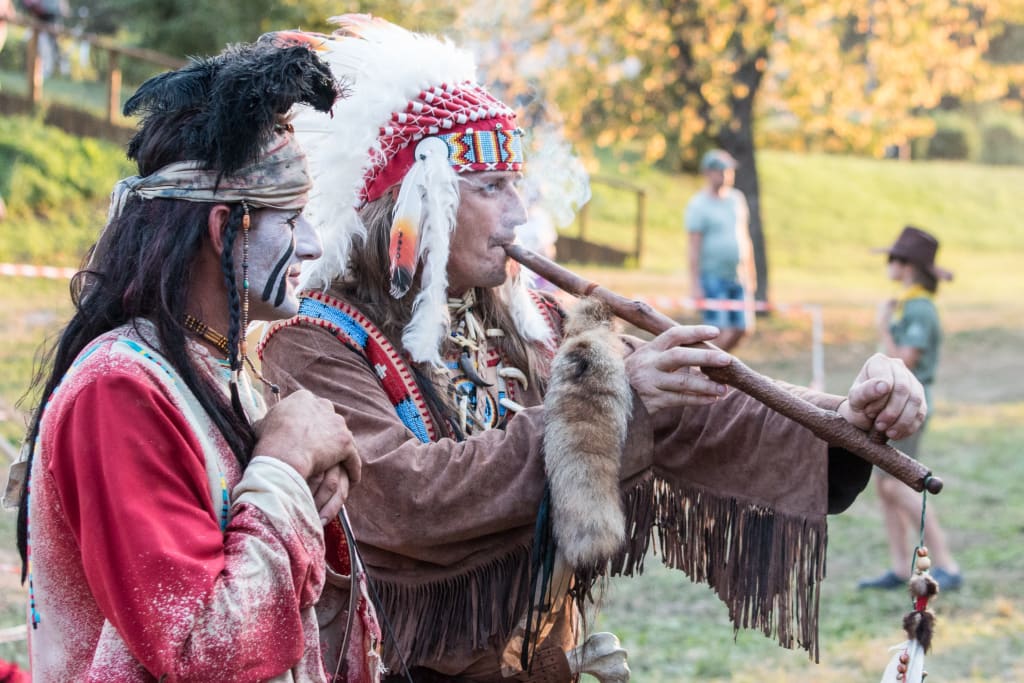
The Paniya tribe is a scheduled tribe in the southern Indian state of Tamil Nadu. They are primarily concentrated in the Nilgiri district, which is home to several other indigenous tribes as well. The Paniyas are known for their unique way of life, which involves hunting, gathering, and farming. They have their own distinct language, culture, and traditions, which have been passed down from generation to generation.
The Paniyas have a rich history and culture, which is rooted in their close relationship with nature. They believe that the earth is a sacred entity, and that all living beings are interconnected. They have a deep reverence for the natural world, and believe that they must live in harmony with it in order to maintain the balance of the universe.
The Paniyas have a unique system of governance, which is based on a council of elders. This council is responsible for making decisions that affect the entire tribe, and is made up of respected members of the community. The council is also responsible for settling disputes and maintaining law and order within the tribe.
The Paniyas have a rich tradition of music and dance, which is an important part of their culture. They have their own unique instruments, which are made from natural materials such as bamboo and animal skin. They also have their own distinct style of dance, which is characterized by fast-paced footwork and intricate hand movements.
The Paniyas are skilled hunters and gatherers, and are known for their ability to survive in the forests that they inhabit. They use a variety of traps and snares to catch animals, and also gather a variety of fruits, berries, and other plants from the forest floor. They also practice slash-and-burn agriculture, which involves clearing a patch of land in the forest and planting crops such as rice and millet.
The Paniyas have a deep connection to their ancestors, and believe that they are guided and protected by their spirits. They have several important rituals and ceremonies that are performed to honor their ancestors and to ask for their blessings. One such ceremony is the Muthappan Theyyam, which is a traditional dance performance that is performed in honor of the Paniya deity Muthappan.
Despite their rich culture and traditions, the Paniyas have faced several challenges over the years. They have been marginalized and discriminated against, and have often been denied access to basic services such as healthcare and education. Many Paniyas also struggle with poverty, and are forced to live in substandard conditions.
In recent years, however, there has been a growing awareness of the plight of the Paniyas, and efforts are being made to improve their living conditions and to protect their rights. Several non-governmental organizations are working to provide healthcare, education, and other basic services to the Paniyas, and to empower them to advocate for their own rights.
In conclusion, the Paniya tribe is a fascinating and unique community that has a rich history and culture that is deeply rooted in their close relationship with nature. Despite facing numerous challenges over the years, including marginalization and discrimination, the Paniyas have managed to maintain their traditional way of life and have continued to live in harmony with the natural world.
The Paniyas have a unique system of governance, which is based on a council of elders. This council is responsible for making decisions that affect the entire tribe and is made up of respected members of the community. The council is also responsible for settling disputes and maintaining law and order within the tribe.
The Paniyas are skilled hunters and gatherers and are known for their ability to survive in the forests that they inhabit. They use a variety of traps and snares to catch animals and also gather a variety of fruits, berries, and other plants from the forest floor. They also practice slash-and-burn agriculture, which involves clearing a patch of land in the forest and planting crops such as rice and millet.
About the Creator
BILL KISHORE
Storyteller, dreamer, and adventurer.
Keep reading
More stories from BILL KISHORE and writers in Filthy and other communities.
The Kota tribe
The Kota tribe is an indigenous tribe that inhabits the Nilgiri hills of Tamil Nadu, India. They are known for their unique style of music, which involves the use of bamboo flutes and drums, as well as their rich history and culture. In this blog post, we will explore the history and way of life of the Kota tribe in more detail.
By BILL KISHORE3 years ago in Serve
Real-Time Strategies To Cultivate Intimacy And Trust In Relationships
The development of intimacy and trust start with presence. When coupled couples are busy with their daily chores, they mostly talk when they are either distracted by phones, work or they are still stressed out. Intimacy in real-time needs attention. Eye contact and device-free time and active listening are indicators of emotional availability. Reflect when you hear your partner, just to ensure you get him. This mere gesture minimizes misunderstanding and enhances emotional security. Being there sends a message of respect and priority, which makes the relationship significant. With time, through a good level of care, a base of trust is established, and this is critical in maintaining trust and emotional intimacy.
By Tiana Alexandra7 days ago in Filthy



Comments
There are no comments for this story
Be the first to respond and start the conversation.