
Sciatica: Causes, Symptoms, and Effective Treatments
sciatica

**Sciatica: Causes, Symptoms, and Effective Treatments**
Sciatica is one of the most common nerve-related conditions affecting adults around the world. It refers to pain that radiates along the path of the sciatic nerve, which branches from the lower back through the hips, buttocks, and down each leg. While sciatica itself is not a disease, it is a symptom of another underlying condition such as a herniated disc, spinal stenosis, or muscle inflammation that compresses or irritates the sciatic nerve. The pain may vary from a mild ache to sharp, burning sensations or even severe discomfort that makes it hard to stand or walk. Understanding the causes, symptoms, and available treatme
nts can help reduce pain and prevent future episodes.
-**1. What are the main causes of sciatica?**
Sciatica occurs when the sciatic nerve becomes pinched or compressed. The most common cause is a herniated or slipped disc that presses on the nerve roots in the lower spine. Other causes include bone spurs, spinal stenosis (narrowing of the spinal canal), degenerative disc disease, muscle tension in the piriformis, or even injuries to the lower back. Obesity, poor posture, and prolonged sitting can also increase the risk of developing sciatica.
---
**2. What are the common symptoms of sciatica?**
The hallmark symptom is pain that travels from the lower back down through the buttock and leg, usually on one side of the body. The pain can feel sharp, electric, or burning, and it may worsen when sitting, coughing, or sneezing. Other symptoms include numbness, tingling, or muscle weakness in the affected leg or foot. Some people describe it as an intense cramp that lasts for days or weeks.
---
**3. How is sciatica diagnosed?**
Doctors diagnose sciatica through a physical examination and medical history. They may test muscle strength, reflexes, and the ability to lift the leg. Imaging tests such as MRI or CT scans are used when a herniated disc or spinal narrowing is suspected. These tests help identify the precise location and cause of nerve compression.
---
**4. How long does sciatica last?**
The duration of sciatica varies depending on the cause and treatment. Acute sciatica may last from a few days to six weeks, while chronic sciatica can persist for months or become recurrent. In most cases, symptoms improve with rest, stretching, and medication within a few weeks. However, untreated causes like herniated discs may require longer recovery periods or surgical intervention.
---
**5. What treatments are available for sciatica?**
Treatment usually starts with conservative methods such as rest, ice or heat therapy, and nonsteroidal anti-inflammatory drugs (NSAIDs). Physical therapy helps strengthen the lower back muscles and improve flexibility. In severe cases, corticosteroid injections can reduce inflammation around the nerve. Surgery may be considered if pain persists beyond three months or if there is loss of movement or bladder control.
---
**6. What exercises help relieve sciatica pain?**
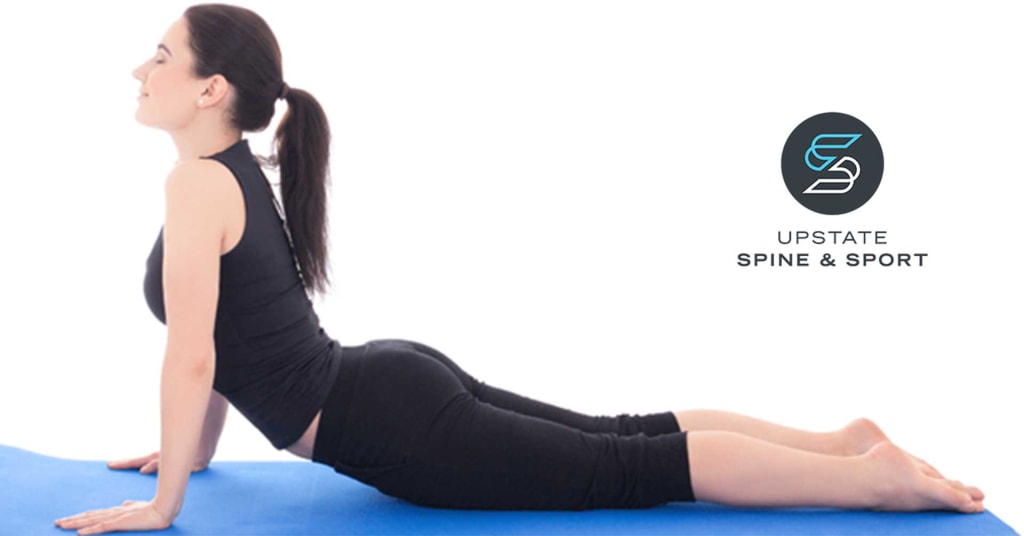
Gentle stretching and low-impact exercises such as walking, yoga, or swimming can help reduce nerve pressure. Specific stretches targeting the hamstrings and piriformis muscles are particularly beneficial. Strengthening the core muscles that support the spine also helps prevent future flare-ups. Patients should avoid heavy lifting or twisting movements during recovery.
---
**7. Can sciatica heal without surgery?**
Yes, most cases of sciatica resolve without surgery. Up to 90% of patients recover with non-surgical treatments such as rest, medication, and physical therapy. The body often reabsorbs the portion of a herniated disc that presses on the nerve, relieving the pressure naturally over time. Surgery is usually reserved for severe, persistent pain or nerve damage.
---
**8. What lifestyle changes help prevent sciatica?**
Maintaining good posture, exercising regularly, and keeping a healthy body weight are key to preventing sciatica. When sitting for long periods, it’s important to use chairs with proper lumbar support and take breaks to stand or stretch. Strength training for the back and abdominal muscles can stabilize the spine and reduce nerve compression risks.

---
**9. When should I see a doctor for sciatica?**
You should consult a doctor if the pain lasts more than a week, becomes severe, or spreads down the leg. Emergency care is required if sciatica is accompanied by numbness in the inner thighs, loss of bladder or bowel control, or sudden leg weakness, as these may signal a serious spinal condition like cauda equina syndrome.
-**10. Can sciatica come back after treatment?**
Yes, sciatica can recur, especially if the underlying cause—such as poor posture, weak muscles, or a herniated disc—is not addressed. Consistent exercise, proper lifting techniques, and maintaining spinal flexibility can help prevent future episodes. Patients who have had sciatica should continue back-strengthening routines even after symptoms disappear.
About the Creator
America today
Breaking news, political insights, real-time analysis, U.S. politics, global politics, elections, government policies, international relations, diplomacy, political debates, trending political stories, expert commentary, factual reporting,.
Keep reading
More stories from America today and writers in Filthy and other communities.
ticketmaster today
Discover everything about Ticketmaster, the world’s leading ticket platform. Learn how to log in, use the Ticketmaster app, contact customer service, and buy verified tickets for concerts, sports, and live events in the UK, France, and beyond.
By America today 5 months ago in Petlife
Trending Relationship Questions About Balancing Career And Love
It is a frequent problem of the contemporary life as it is necessary to follow both the career goals and the love affair. Singles and couples could not easily manage to devote their time and energy to work and emotional relationship building. To achieve priorities, it is necessary to consider both individual and interpersonal objectives. The knowledge of what is important enables people to organize and take calculated choices regarding time management. Career and relationship development do not necessarily need to be mutually exclusive and through proper planning, respect will be given to each of the two. Providing certain priorities, people will feel less stressed, they will not be able to neglect their partners, and they will have time to be close to their significant other and at the same time achieve professional success.
By Willian James4 days ago in Filthy
Review of '56 Days'
My wife and I just binged 56 Days on Amazon Prime. Aside from the title, I thought that this was one wild, sometimes winsome, sometimes weird, multifaceted gem of a thrilling whodunnit series, with two separate complex intersecting stories that jump back and forth from the present to the past.
By Paul Levinson6 days ago in Filthy




Comments
There are no comments for this story
Be the first to respond and start the conversation.