
How to Check Pregnancy at Home: A Comprehensive Guide
"Explore Reliable At-Home Pregnancy Testing Methods, Early Signs to Watch For, and When to Seek Medical Advice

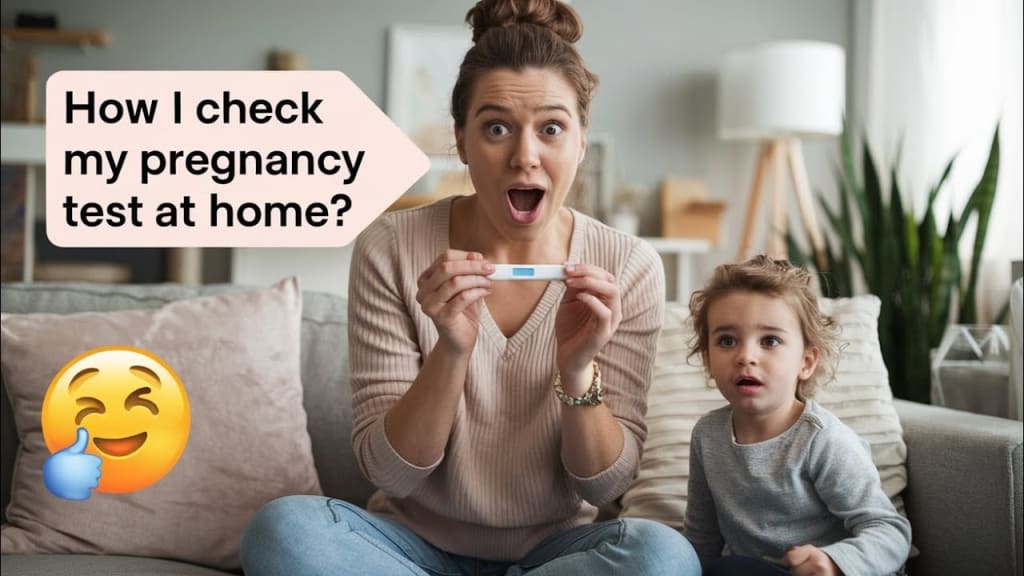
How to Check Pregnancy at Home: A Comprehensive Guide
Discovering whether you're pregnant can be an emotional and life-changing experience. Fortunately, you don't always need to visit a doctor right away to find out. With the availability of home pregnancy tests and some natural indicators, it’s possible to check for pregnancy in the comfort and privacy of your home. This article explains the different methods you can use, how they work, and what you should keep in mind when testing at home.
---
1. Home Pregnancy Tests (Urine-Based Tests)
The most common and reliable way to check pregnancy at home is by using an over-the-counter home pregnancy test. These tests work by detecting the hormone human chorionic gonadotropin (hCG) in your urine, which is produced shortly after a fertilized egg implants in the uterus.
How to Use a Home Pregnancy Test:
Step 1: Read the instructions carefully, as methods may vary slightly between brands.
Step 2: Collect a urine sample in a clean container, or hold the test stick directly in your urine stream, depending on the type of test.
Step 3: Wait the recommended time (usually 1 to 5 minutes).
Step 4: Read the result as directed—typically a line, plus sign, or digital message (e.g., "Pregnant" or "Not Pregnant").
When to Take the Test:
The best time to take a home pregnancy test is after you've missed your period. Testing too early might lead to a false negative if hCG levels aren’t high enough to detect.
Tips for Best Results:
Use the first urine of the day, which contains the highest concentration of hCG.
Don’t drink too much water before testing, as it may dilute the hormone.
Always check the expiration date of the test.
---
2. Natural Early Signs of Pregnancy
Before even taking a test, some women experience early symptoms that suggest they might be pregnant. While these signs are not definitive, they can prompt you to take a test or consult a doctor.
Common Early Signs Include:
Missed Period: Often the first sign, especially in women with regular cycles.
Nausea or Morning Sickness: Can begin as early as two weeks after conception.
Breast Tenderness or Swelling: Hormonal changes may cause sensitivity.
Frequent Urination: Caused by hormonal shifts affecting kidney function.
Fatigue: Due to increased progesterone and the body preparing to support pregnancy.
Mild Cramping or Spotting: Sometimes referred to as implantation bleeding.
These signs can be similar to premenstrual symptoms, so they're not always a clear indicator of pregnancy. However, if you notice several of these together, it's worth taking a pregnancy test.
---
3. DIY Home Pregnancy Test Methods (Traditional Remedies)
Some people try old-fashioned or natural home remedies to check for pregnancy, such as sugar, salt, or toothpaste tests. While these are popular in some cultures and easily done with household items, it's important to understand that these methods are not scientifically proven and should not replace modern tests.
Examples include:
Sugar Test: Mix urine with sugar; if it clumps, it’s said to indicate pregnancy.
Toothpaste Test: Mix urine with white toothpaste; foaming or color change supposedly signals pregnancy.
Salt Test: Combine urine with salt and observe for texture changes.
These methods are based on anecdotal evidence and should not be relied upon for accurate results. Use a urine test kit or consult a healthcare provider for confirmation.
---
4. When to See a Doctor
If your home test is positive, it’s important to schedule a visit with a healthcare provider to confirm your pregnancy through a blood test or ultrasound. Even if the test is negative but you still have symptoms or your period is very late, medical evaluation may be necessary to rule out other conditions.
---
Conclusion
Checking for pregnancy at home is convenient, private, and often very accurate with modern urine-based test kits. While early symptoms and traditional methods may give clues, a home pregnancy test is your best first step. Always follow up with a healthcare provider for confirmation, proper guidance, and to begin prenatal care if the result is positive.
About the Creator
Hot News
I am Doctor Ai Welcome To My Page . I Write The Most Important Article On Womens And men's Life And their Sexual, lifestyle , and their relationship problems. These Articles are very helpful For you so read it it will help you more .
Lauren Sanchez’s Bikini Top Barely Holds on To Strings in Yacht Photos
Lauren Sanchez showed off her bold style in a bikini top featuring delicate strings. As reported by Page Six, the former journalist was seen on a luxury yacht along with Jeff Bezos, Leonardo DiCaprio, and his partner Vittoria Ceretti.
By Dena Falken Esq6 days ago in Filthy



Comments (1)
Home pregnancy tests are super common. I've seen friends use them. Reading the instructions carefully is key. Using first morning urine gives the best chance of an accurate result. And waiting the right amount of time is crucial too. What if you get an unclear result? Should you retest right away?