
"Why "To Kill a Mockingbird" Continues to Resonate: A Reflection on the Power of Storytelling"
Racial Injustice and Loss of Innocence in "To Kill a Mockingbird"

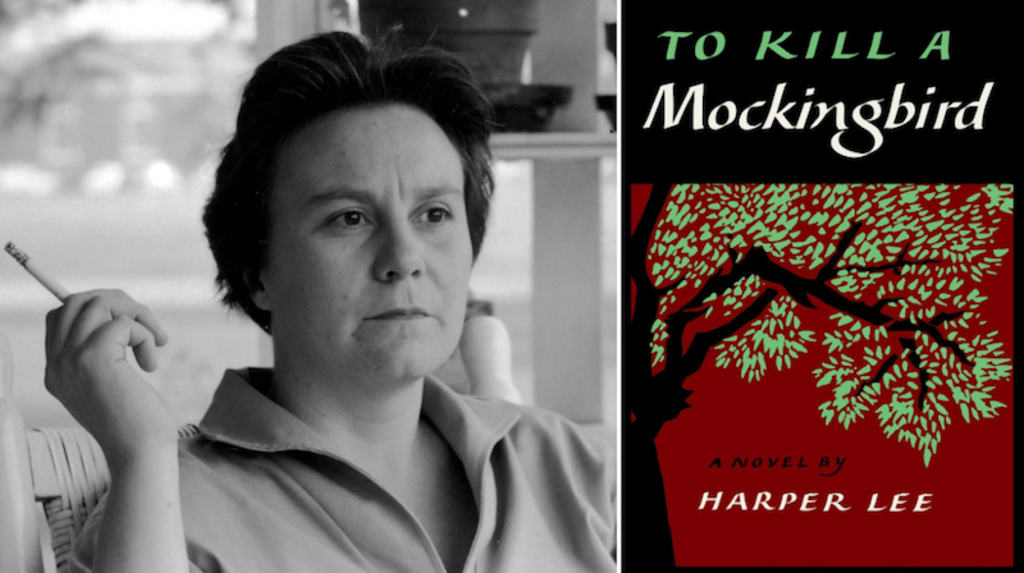
Title: "Why "To Kill a Mockingbird" Continues to Resonate: A Reflection on the Power of Storytelling"
Introduction:
Harper Lee's "To Kill a Mockingbird" is a novel that has stood the test of time, captivating readers for over six decades. From its depiction of racial injustice to its portrayal of the American South, the book has become a cultural touchstone. In this post, we'll take a deep dive into the themes and characters of "To Kill a Mockingbird," and explore why this timeless novel continues to resonate with readers.
Part I: Setting the Stage
"To Kill a Mockingbird" is set in the fictional town of Maycomb, Alabama, during the 1930s. Lee expertly captures the rhythms and nuances of small-town life, and her vivid descriptions of the town and its inhabitants give the reader a sense of what life was like during this era. However, the novel is not just a snapshot of a particular time and place; it is a commentary on the universal human condition.
Part II: Themes
One of the most prominent themes in "To Kill a Mockingbird" is the issue of racial injustice. The book tells the story of a black man, Tom Robinson, who is wrongly accused of raping a white woman, and the subsequent trial that ensues. Lee's portrayal of the legal system and its prejudices is both powerful and haunting. The book underscores the fact that even when the truth is staring us in the face, sometimes we refuse to see it.
Another theme that runs through "To Kill a Mockingbird" is the loss of innocence. The protagonist, Scout Finch, begins the book as a wide-eyed child, but as she witnesses the ugliness and injustice of the world around her, she is forced to confront the fact that the world is not always fair or just. This loss of innocence is a powerful and relatable theme, and it is one of the reasons why the book continues to resonate with readers of all ages.
Part III: Characters
Lee's characters are some of the most memorable and fully realized in all of literature. From the stoic and principled Atticus Finch to the mysterious and reclusive Boo Radley, each character in "To Kill a Mockingbird" is unique and fully formed. The book's rich cast of characters is a testament to Lee's skill as a writer, and it is one of the reasons why the book continues to captivate readers.
Atticus Finch, in particular, has become an iconic literary figure. His unwavering commitment to justice and equality has inspired generations of readers, and his character remains a touchstone for those who seek to do what is right, even when it is difficult.
Part IV: Legacy
"To Kill a Mockingbird" has become much more than just a book; it is a cultural touchstone that has had a lasting impact on our society. The book's themes of racial injustice and loss of innocence continue to resonate with readers, and its characters have become beloved icons of American literature. The book has been adapted into a successful film, and it is frequently taught in schools across the country.
However, the book's legacy is not just limited to the world of literature. "To Kill a Mockingbird" has had a profound impact on our society, inspiring countless people to stand up for justice and equality.
The book has become a rallying cry for those who seek to make the world a better place, and its impact continues to be felt to this day.
Conclusion:
"To Kill a Mockingbird" is a novel that has stood the test of time, captivating readers for over six decades. Its themes of racial injustice, loss of innocence, and the power of storytelling continue to resonate with readers of all ages.




Comments
There are no comments for this story
Be the first to respond and start the conversation.