
why are we the only humas left.
are we really
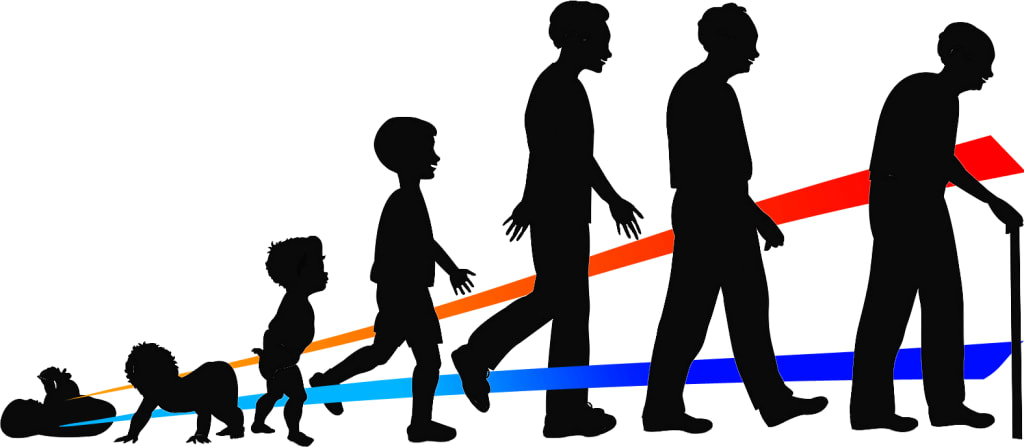
Look around, and you’ll find some pretty smart animals, but there’s no species quite like us. However, that wasn't always the case. As recently as 50,000 years ago, we shared the planet with at least three other human species. While Denisovans and Homo floresiensis (real-life Hobbits) left scant evidence of their existence, Neanderthals left behind a richer story.
When the first Neanderthal skulls were discovered, scientists were puzzled until Charles Darwin published his theory of evolution. It became clear that modern humans must have descended from earlier species, and many scientists thought Neanderthals fit the bill as our primitive, slightly dim-witted ancestors. Ernst Haeckel even tried to name them Homo stupidus. Others viewed Neanderthals as a failed evolutionary dead end.
So, where do Neanderthals fit in the human story? Were they simple-minded, or were they more intelligent and human than we’ve given them credit for? And if they were smart, why did they disappear after encountering us?
If you were to ride a subway car with a bunch of humans and a well-groomed Neanderthal, you might struggle to tell them apart. Neanderthals had some distinguishing features: a prominent brow ridge, a large nose, short forearms and shins, and big muscles. These were adaptations to cold northern climates, whereas our ancestors were built for warmer environments. Despite these differences, Neanderthals would have looked familiar to us.
Neanderthal life was fraught with danger, often involving hunting woolly mammoths and rhinoceroses. Their fossil remains show healed broken bones and evidence of care for the sick and injured, indicating they were social and caring. They even buried their dead, though we don’t know if this was for spiritual or religious reasons.
By 250,000 years ago, Neanderthals had brains as large or larger than ours. However, brain size alone isn’t everything; otherwise, blue whales would be our overlords! Neanderthal technology advanced slowly, indicating that it’s not just brain size but how it’s used that matters. Our symbolic thinking, social interactions, technological innovation, and complex language are products of our brain's abilities.
Neanderthals shared the FOXP2 gene essential for language with us, suggesting they could speak. The shape of their brains and throats also supports this. They might have used simple sounds, musical tones, and rhythmic movements to communicate, similar to prehistoric boy bands.
Around 50,000 years ago, Neanderthals met us, their smart cousins. For about 10,000 years, our ranges overlapped until Neanderthals disappeared around 40,000 years ago. Were we friends or enemies? Our species had more advanced weapons and social structures, allowing for better technological exchange and innovation. This, combined with possible diseases we brought, may have led to their decline. Neanderthals likely lived in small, isolated groups with low genetic diversity, making them more vulnerable.
Before they vanished, Neanderthals left us a gift. In 2010, their genome was sequenced, revealing that 1 to 4 percent of the genes in all living humans outside sub-Saharan Africa came from Neanderthals. This suggests interbreeding occurred after our species left Africa.
Today, Neanderthals live on within us, the only humans left. We’re more related than we might think, and that’s a story for another time. Stay curious.
Thanks to 23andMe for sponsoring this episode. The name ‘23andMe’ comes from our 23 pairs of chromosomes. 23andMe helps people understand their DNA, revealing ancestral origins, health impacts, and more. You just need to provide a DNA sample. For example, I learned about my Neanderthal ancestry, which might explain why I’m taller than most people.
About the Creator
Keep reading
More stories from Shinzou Wo sasageyo and writers in Fiction and other communities.
what was earth like before dinosaurs
Millions of years ago, Earth was a vastly different place. The continents were fused into a single supercontinent, Pangea, teeming with diverse and often terrifying life forms. When imagining prehistoric times, one might picture a T-Rex rampaging through jungles with its razor-sharp teeth. However, long before dinosaurs roamed, other giant creatures dominated the planet. Welcome to the Permian period, an era that began 300 million years ago.
By Shinzou Wo sasageyo2 years ago in Fiction
A More Human Vocal
When we launched Vocal nearly a decade ago, the world was a very different place. LLMs did not exist, and stories were created one at a time by people sitting down to write, revise, and share something personal. Many of our assumptions about publishing, trust, and participation were built for a world where effort and output were inseparable.
By Justin @ Vocal4 days ago in Resources




Comments