
When the Web Went Silent
24 Hours in a World Without Internet

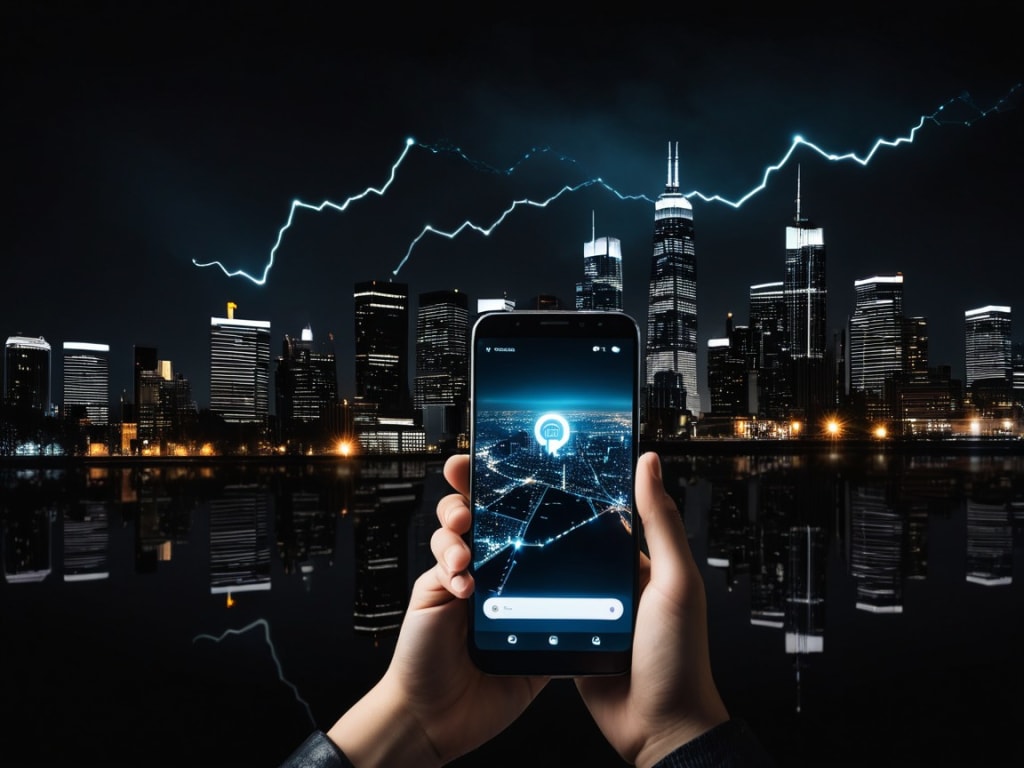
The morning began like any other. Coffee brewed, screens lit up, and millions of people reached for their phones to scroll, swipe, and connect. But something was different. No loading bar. No notifications. Just silence.
At first, it seemed like a glitch. A local outage, maybe? But within minutes, panic set in—across homes, offices, cafes, and schools. The internet was gone. Not slow. Not limited. Gone.
The Silence of the Servers
Governments scrambled. Tech giants like Google, Amazon, and Meta were offline. Emergency meetings were called. Banks froze digital transactions. News outlets had nothing to report but the obvious: the internet, globally, was down—and no one knew why.
For 17-year-old Maya, a self-described “TikTok junkie,” the silence was deafening. She clicked her screen like a broken remote. No posts, no friends, no trends. Her digital mirror, where she gauged self-worth and status, was shattered. For the first time in years, she stepped outside without a phone in her hand—just to feel something.
Meanwhile, Ravi, a software engineer in San Francisco, sat paralyzed. His job, his communication tools, even his lunch order—everything depended on the web. He looked at his bookshelves, untouched in months. Out of instinct, he reached for a dusty novel and began to read. It was strange, calming… human.
Digital Collapse, Real-World Consequences
The first hours felt like a hiccup. But as the day wore on, the loss of connectivity became crippling. Businesses couldn’t process orders. Stock markets paused. Schools closed early. Flights were grounded. People flooded ATMs and gas stations. Misinformation spread faster than ever—ironically, through offline whispers and fear.
Hospitals were among the hardest hit. Electronic medical records were inaccessible. Some systems failed completely. Doctors had to revert to pen and paper, flipping through physical files like it was 1995.
The world was thrust into an analog age it no longer remembered how to live in.
The Unexpected Beauty of Disconnection
But amid the panic, something unexpected happened.
Neighbors talked—face to face. Kids played outside. Ravi met his downstairs neighbor, Alice, for the first time in years. They shared tea, conversation, and laughter without background noise. Maya sat with her grandmother and asked her to explain what it was like before smartphones. They ended up baking cookies—without Googling the recipe.
The world slowed down. And in the quiet, people began to hear their own thoughts again.
The Mystery Unfolds
By hour 20, whispers of a global cyberattack emerged. Some believed it was a solar flare. Others claimed it was an AI gone rogue, severing its own cords to avoid being shut down. A few believed it was divine intervention—a reset button for a world too consumed by screens.
No one knew for sure. But for 24 hours, the world was united in its confusion—and perhaps, in its rediscovery of itself.
The Return—and Reflection
At 7:43 a.m. the next day, the internet flickered back to life. Slowly, websites returned. Notifications flooded in like a digital tsunami. Messages, alerts, emails. The hum of the web resumed.
But something was different.
Ravi didn’t rush to Slack. Maya didn’t immediately open TikTok. People paused—just for a moment. The blackout had shown them something rare: life outside the algorithm. It wasn’t perfect, but it was real.
Conclusion: Beyond the Bandwidth
In a world wired to the edge, the internet is our lifeline—no doubt. But when it disappears, what remains isn’t just inconvenience. It’s humanity, connection, and the parts of ourselves we've muted behind screens.
The Great Outage, as it came to be called, may have lasted only a day. But for many, it triggered a lifetime of change.
Not by force. By awareness.
About the Creator
Syeed Zeeshan
Software engineer with a passion for coding, digital marketing, and crypto (Binance). Tech-savvy, football lover, and always exploring new trends in tech, finance, and innovation.
Keep reading
More stories from Syeed Zeeshan and writers in Fiction and other communities.
Building a Successful Career in Software Engineering: Skills, Opportunities, and Growth
In a world increasingly powered by technology, software engineering has emerged as one of the most influential and sought-after career paths. From mobile applications and cloud platforms to artificial intelligence and smart devices, software engineers are the architects behind the digital tools we use every day. A career in software engineering not only offers strong job security and high salaries but also provides the opportunity to work on innovative projects that impact millions of lives.
By Syeed Zeeshan10 months ago in Education
The Android Detective: Help Wanted
Vesper Lyra leaned her lanky frame into the door to push through the entrance lacking working electronics. A simple, painted sign in a boring and nondescript font announced that one would find a Clyde Sharpman, P.D. inside. Among the bright lights, vibrantly coloured signs, and announcements everywhere else on Wetwater Street, how she even noticed the place was a mystery. Not to mention the roughly cut-out cardboard sign in the unit’s dirty window advertising that the private detective, Clyde Sharpman, wanted help.
By Jean-François Lamothe2 days ago in Fiction


Comments
There are no comments for this story
Be the first to respond and start the conversation.