
What Really Happens Behind the Scenes
The Untold Truth About WWE’s Wellness Policy

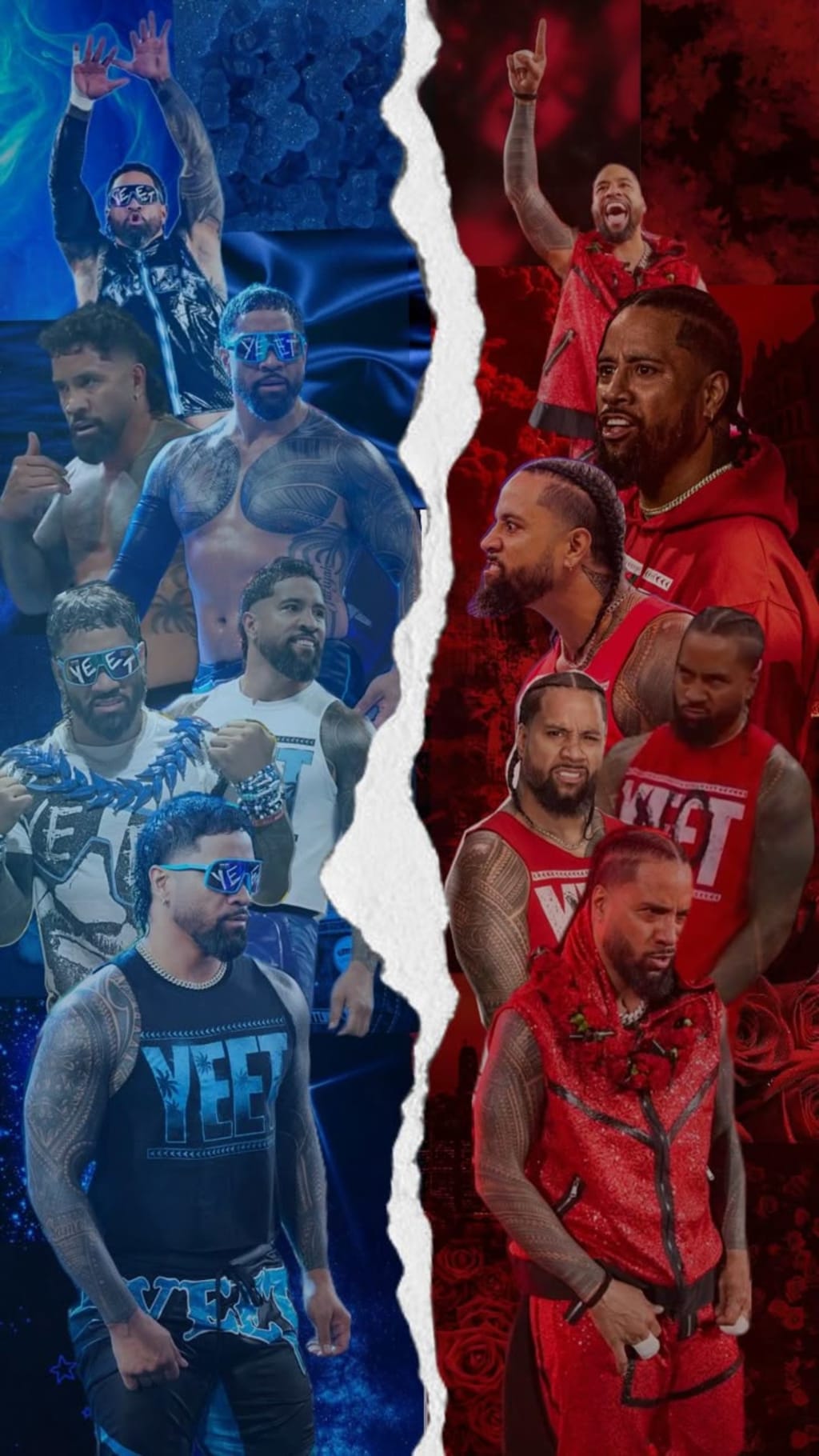
WWE’s Wellness Policy has been a hot topic for years—praised by some as a step toward athlete safety, criticized by others as inconsistent or even hypocritical. But what really goes on behind the curtain? From failed tests with no consequences to secret exemptions, here’s the unfiltered truth about WWE’s drug-testing system.
1. The Wellness Policy Was Created Because of a Tragedy
The Chris Benoit Effect
After the 2007 double-murder suicide involving Chris Benoit, WWE faced massive scrutiny over wrestler health and steroid abuse. The company quickly implemented the Wellness Policy to avoid government regulation.
Key Rule: Banned substances include steroids, opioids, and recreational drugs.
Testing: Random tests, with penalties for violations (suspensions, fines).
Reality? Enforcement has been inconsistent (more on that later).
Why It Matters: The policy was reactive, not proactive—WWE only acted after disaster struck.
2. Some Stars Get "Quiet Suspensions"
The Mystery of Missing Wrestlers
Several big names have disappeared from TV for "undisclosed reasons"—only to return later with no explanation. Many believe these are unofficial Wellness suspensions.
Example: Brock Lesnar vanished before WrestleMania 36—rumors suggested a failed test.
Other Cases: Roman Reigns (2016, admitted to a violation), Randy Orton (multiple suspensions).
The Loophole: If WWE doesn’t announce it, fans never officially know if it was Wellness-related.
3. "Independent Contractor" Status = Fewer Protections
Why WWE Wrestlers Don’t Get Real Healthcare
WWE classifies wrestlers as independent contractors, not employees—meaning:
No union protection (unlike NFL/NBA players).
No long-term healthcare for injuries sustained in WWE.
No guaranteed pay during suspensions.
The Ugly Truth: If a wrestler gets suspended, they lose income with no safety net.
4. The "Therapeutic Use Exemption" (TUE) Secret
How Some Wrestlers Get a Free Pass
WWE allows wrestlers to use banned substances if they have a doctor’s note (TUE).
Who Gets Them? Stars with legitimate prescriptions (e.g., painkillers for injuries).
Who Really Gets Them? Rumors suggest top stars have easier access.
Controversy: Some believe main eventers get exemptions more easily than midcarders.
5. WWE Rarely Tests for Marijuana Anymore
The Changing Stance on Weed
Pre-2020: Failed marijuana tests led to suspensions (e.g., Randy Orton, R-Truth).
Post-2020: WWE stopped penalizing weed use (following mainstream sports trends).
Exception: If a wrestler shows up high, they can still be punished.
Why the Change? WWE wants to avoid bad PR in an era where weed is legal in many states.
6. The "Third Strike" Rule Is Rarely Enforced
What Happens After 3 Violations?
The Wellness Policy states:
1st violation: 30-day suspension.
2nd violation: 60-day suspension.
3rd violation: Termination.
But…
Jeff Hardy had multiple violations but wasn’t fired until 2021 (DUI arrest, not Wellness-related).
Randy Orton has reportedly failed tests multiple times but remains employed.
The Truth: If you’re valuable enough, WWE finds a way to keep you.
7. Part-Timers & Legends Are Rarely Tested
One Rule for Full-Timers, Another for Goldberg
Active roster? Tested regularly.
Part-timers (Brock Lesnar, The Rock, Undertaker)? Rarely (if ever) tested.
Why? WWE doesn’t want to risk losing big draws over failed tests.
8. The Policy Doesn’t Cover Mental Health Properly
Wrestlers Are on Their Own
No mandatory therapy for substance abuse or depression.
No long-term support for retired wrestlers with CTE or addiction issues.
Example: Scott Hall & Jake Roberts only got help after leaving WWE.
The Sad Reality: WWE’s Wellness Policy does little for wrestlers’ long-term mental health.
Final Verdict: Is WWE’s Wellness Policy Just for Show?
✅ It exists, but enforcement is selective.
✅ Top stars get more leeway than midcarders.
✅ Mental health & post-career care are ignored.
The Bottom Line: The Wellness Policy is better than nothing, but it’s far from perfect.
What Do You Think?
Should WWE test part-timers equally?
Do wrestlers need a union for better protection?
Should marijuana be fully allowed?
Sound off in the comments! 🔥
About the Creator
Hermogene NTWALI
A neutralist, healthier and mentor
Keep reading
More stories from Hermogene NTWALI and writers in Fiction and other communities.
The Truth Behind Wrestling’s Biggest Secrets
Professional wrestling thrives on larger-than-life characters, shocking twists, and "kayfabe"—the illusion that what happens in the ring is real. But over the years, countless myths and rumors about WWE have spread like wildfire. Some are wild conspiracy theories, while others are misunderstood truths.
By Hermogene NTWALI11 months ago in Fiction
The Silence Between Footsteps
Chapter One: The Body at Briarwood Manor Briarwood Manor had always felt like a place that watched you. It sat on the edge of the lake, all stone walls and tall windows, like it had secrets built straight into its bones. People in the nearby town called it historic. Others called it cursed. Detective Rowan Hale called it inconvenient—especially when the call came in at 6:12 a.m.
By Imran Pisani3 days ago in Fiction


Comments
There are no comments for this story
Be the first to respond and start the conversation.