
"What If You Hibernated For 100 Years?"- ( Bhumika & AI)
Slumbering through the Stars: A 100-Year Hibernation Journey to Alpha Centauri

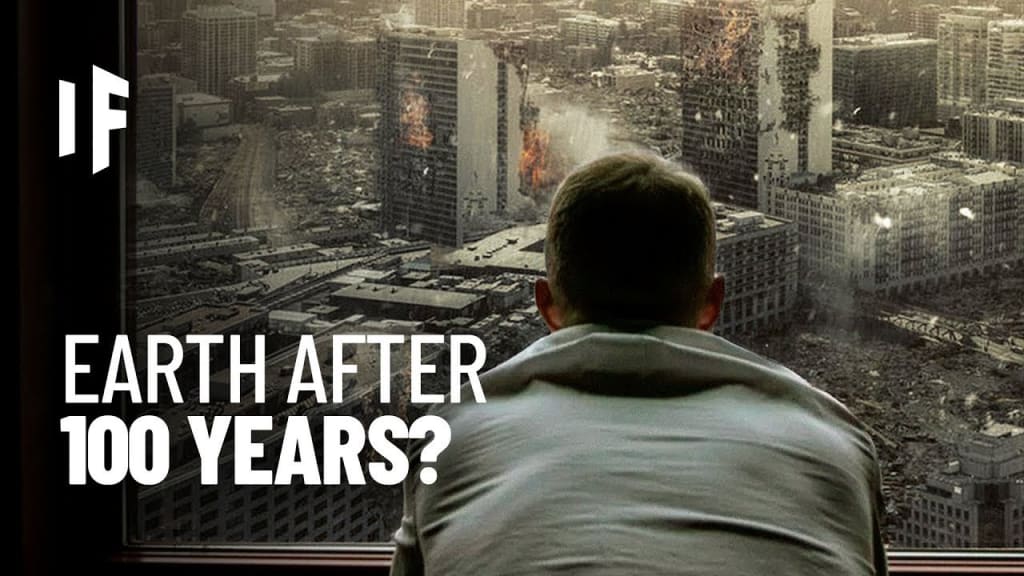
Prepare for an extraordinary odyssey through space as we embark on a mission to reach the distant star system of Alpha Centauri. However, there's a captivating twist – the journey itself spans a staggering 100 years. Is it possible to peacefully slumber throughout the entire voyage? In this speculative investigation, we will delve into the realm of hibernation, unravel the technological requirements, examine the physiological effects on the body, and ponder the remarkable prospects that await us upon awakening in the distant future.
Decoding the Mysteries of Hibernation:
Before we venture into the depths of cosmic repose, let us first unravel the enigma of hibernation itself. Often observed in animals during harsh winter months or periods of limited food availability, hibernation is a state of prolonged rest characterized by a significant decrease in body temperature, heart rate, and metabolic activity. It is a deep slumber, reminiscent of a bear's winter dormancy, during which the animal remains in a state of near-inactivity. But how can we translate this concept into a 100-year sojourn through space?
Inducing Hibernation: Overcoming the Obstacles:
The induction of hibernation in humans presents distinctive challenges, primarily due to our body mass and the inherent limitations in reducing body temperature to levels achieved by certain rodents. While the temperature reduction is not as drastic for humans, innovative techniques inspired by cooling methodologies employed in surgical procedures have shown promise. Utilizing ice packs, coolers, or cooled saline solutions, akin to those employed in hospitals, may potentially enable the necessary physiological slowdown required for hibernation.
Conquering the Test of Time:
However, maintaining a state of hibernation for such an extended duration poses a formidable hurdle. Lengthy freezing periods can lead to the formation of ice crystals within cells, resulting in irreversible damage. Enter the realm of cryogenics – a possible solution to circumvent this challenge. By replacing regular bodily fluids with specialized anti-freezing agents, scientists have achieved successful freezing and subsequent unfreezing of tissue without detrimental effects. Implementing cryogenic technology onboard the spacecraft could potentially sustain the hibernation state throughout the entirety of the 100-year expedition.
The Marvels of Awakening:
Assuming the successful implementation of cryogenics, the prospect of awakening after a century-long slumber raises intriguing questions. Research suggests that prolonged hibernation may have a mitigating effect on aging, potentially slowing down the biological clock. The moment of reawakening would immerse us in a world transformed by technological advancements, societal progressions, and environmental shifts. It would be akin to stepping into an unfamiliar future, where time has woven a tapestry of change beyond recognition.
A Transformed World:
Reflecting upon the past century, we bear witness to awe-inspiring innovations that have reshaped our lives, from the advent of motion pictures and the discovery of penicillin to the emergence of nuclear power, credit cards, and the internet. Pondering the profound changes that could transpire in a 100-year span, it becomes apparent that the Earth itself may have undergone remarkable transformations, especially considering the ongoing crisis of climate change. Environmental upheavals would likely intensify, adding an extra layer of allure to the original intent of reaching a new planetary abode.
The Perils of Hibernation for Humans:
Nevertheless, as alluring as the notion may be, emulating animal hibernation poses considerable risks for humans. Our physiological constitution lacks the innate adaptations necessary to sustain a state of torpor. Unlike bears that consume substantial amounts of food to
store energy before hibernation, attempting a similar feat would result in arterial thickening and numerous health complications. Even after just a week or two of inactivity, humans experience muscle atrophy and weakness. Bedridden patients serve as an example of the detrimental effects of prolonged immobility.
Challenges Ahead: Awakening to a Sleepless Existence:
In contemplating the extremes of human sleep patterns, one may wonder about the consequences of abandoning sleep altogether. However, such a drastic departure from our natural state would undoubtedly have severe repercussions. Sleep deprivation has been extensively studied and is known to impair cognitive function, compromise the immune system, and detrimentally impact overall well-being. Prolonged periods without sleep can lead to psychosis, hallucinations, and a range of physical and mental health issues. Thus, renouncing sleep entirely remains an ill-advised venture.
Conclusion:
While the prospect of a century-long hibernation voyage to Alpha Centauri ignites the imagination, the challenges and risks inherent in human hibernation are formidable. As we explore the possibilities of deep space travel and extended missions, it is crucial to focus on developing sustainable solutions that prioritize the preservation of human health and well-being. Perhaps the allure of cosmic slumber will continue to captivate the realms of science fiction, while we diligently strive to unravel the mysteries of space through alternative means and innovative technologies.
About the Creator
Miss Persephone's Manual to a Seemingly Ordinary Life
Miss Persephone was found at the dining table, her blue eyes swollen, her tears arriving and retreating like the tides of the ocean. Earlier that day, her family had visited her in the retirement home where she had lived for eight years. It was her eightieth birthday.
By Imola Tóth3 days ago in Fiction



Comments
There are no comments for this story
Be the first to respond and start the conversation.