
Unveiling the Mysteries of the Deep Sea: Exploring the Enigmatic Depths Below
Delving into the Uncharted Realms of the Ocean Floor

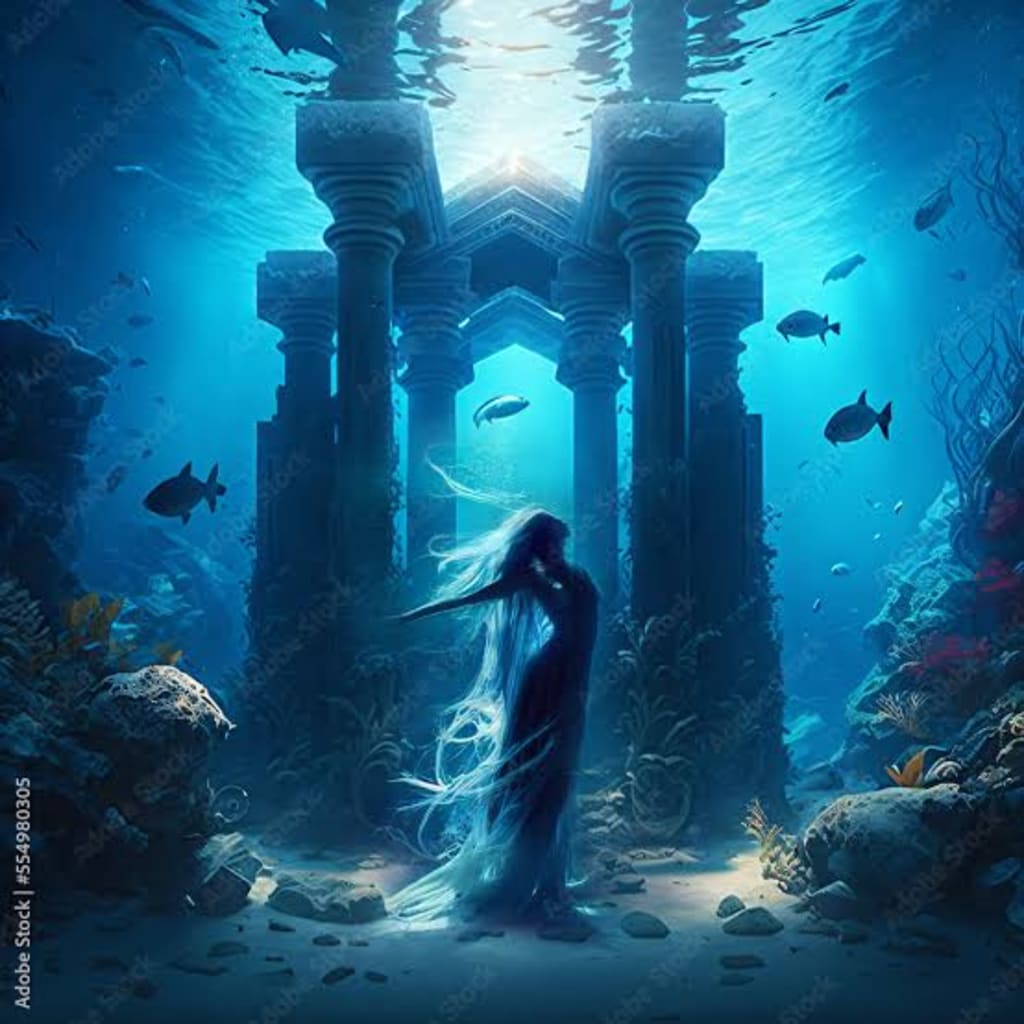
Introduction
The deep sea, a realm of profound mystery and fascination, comprises the most extensive yet least explored ecosystem on our planet. This enigmatic environment, characterized by immense pressure, eternal darkness, and extreme temperatures, holds a treasure trove of secrets waiting to be unveiled. As we embark on this journey into the abyssal depths, let us unravel the mysteries that lie beneath the surface and discover the astonishing life forms, geological wonders, and the unparalleled challenges of this unexplored world.
The Unfathomable Depths: Defining the Deep Sea
The deep sea encompasses the vast expanse below the mesopelagic zone, starting from about 200 meters (656 feet) deep and extending to the ocean floor, which plummets to depths exceeding 6,000 meters (19,685 feet) in some areas. This uncharted realm, often referred to as the abyssal zone, covers approximately 65% of the Earth's surface, yet remains a realm largely unknown to humankind.
Unveiling the Darkness: The Abyssal Zone's Unique Characteristics
One of the most defining features of the deep sea is its perpetual darkness. Sunlight barely penetrates these depths, leaving life forms to rely on bioluminescence or other adaptive strategies for survival. With no natural light, the abyssal zone is characterized by extreme cold, with temperatures hovering near freezing.
The Crushing Pressure: Challenges Beyond Imagination
As we venture deeper into the abyss, the immense pressure becomes more daunting. At the deepest points of the ocean, the pressure can reach a mind-boggling 1,086 bars or 15,750 pounds per square inch, equivalent to the weight of about 50 jumbo jets pressing down on every square inch of surface. This tremendous pressure shapes the physiology of deep-sea organisms and challenges any human exploration.
Life in the Abyss: Extraordinary Adaptations
Despite the extreme conditions, the deep sea is teeming with life. Unique and bizarre creatures have adapted in extraordinary ways to thrive in this harsh environment. From the ethereal anglerfish with its bioluminescent lure to the gelatinous blobfish and the elusive giant squid, the deep sea hosts a diverse array of species, many of which are yet to be discovered or comprehensively studied.
Survival Strategies: Adapting to Extreme Conditions
To survive in this inhospitable world, deep-sea organisms have evolved remarkable adaptations. Some possess bioluminescent capabilities, producing light through chemical reactions. Others have developed specialized body structures, like transparent skin or expanded jaws, to capture prey or camouflage themselves in the darkness.
Unique Ecosystems: Hydrothermal Vents and Cold Seeps
Among the most captivating discoveries in the deep sea are hydrothermal vents and cold seeps. These extreme environments, characterized by volcanic activity and methane emissions, host ecosystems thriving in complete independence from sunlight. They support diverse life forms sustained by chemosynthesis, a process where bacteria convert chemicals into energy.
Exploration and Conservation: Challenges and Imperatives
Human exploration of the deep sea remains in its infancy. Technological advancements, such as remotely operated vehicles (ROVs) and autonomous underwater vehicles (AUVs), have expanded our ability to explore these depths. However, the challenges of studying and preserving this environment persist.
The Impact of Human Activity: Threats to the Abyssal Realm
Human activities like deep-sea mining, overfishing, and pollution pose significant threats to the delicate balance of the deep-sea ecosystem. Irreversible damage to these unique habitats could result if sustainable measures are not put in place.
The Imperative of Conservation: Preserving the Unexplored Frontier
Preserving the deep sea is imperative not only for the myriad of undiscovered species but also for the invaluable knowledge it holds. International collaboration and concerted efforts are necessary to establish marine protected areas, develop sustainable fishing practices, and regulate deep-sea mining to safeguard this enigmatic realm for future generations.
Conclusion
The deep sea, with its incomprehensible depths and mesmerizing life forms, stands as a testament to nature's resilience and adaptability. Our understanding of this mysterious realm is still in its infancy, yet the imperative to explore and conserve it is undeniable. As we continue to unveil the secrets of the abyss, let us embrace the responsibility to protect and preserve this awe-inspiring ecosystem, ensuring that the wonders hidden in its depths endure for generations to come.
About the Creator
Siva N
Whenever I write a story, I will bite these things
1.Research Prowess
2.Scientific Acumen
3.Storytelling Mastery
4.Attention to Detail
5.Inquisitive Mindset
6.Adaptability and Creativity
7.Structure and Clarity
8.Empathy and Engagement
Miss Persephone's Manual to a Seemingly Ordinary Life
Miss Persephone was found at the dining table, her blue eyes swollen, her tears arriving and retreating like the tides of the ocean. Earlier that day, her family had visited her in the retirement home where she had lived for eight years. It was her eightieth birthday.
By Imola Tóth4 days ago in Fiction



Comments (1)
Super!!! Excellent story!!!