
Top10 dangerous dinosaurs and their extinction
Most dangers dinosaurs
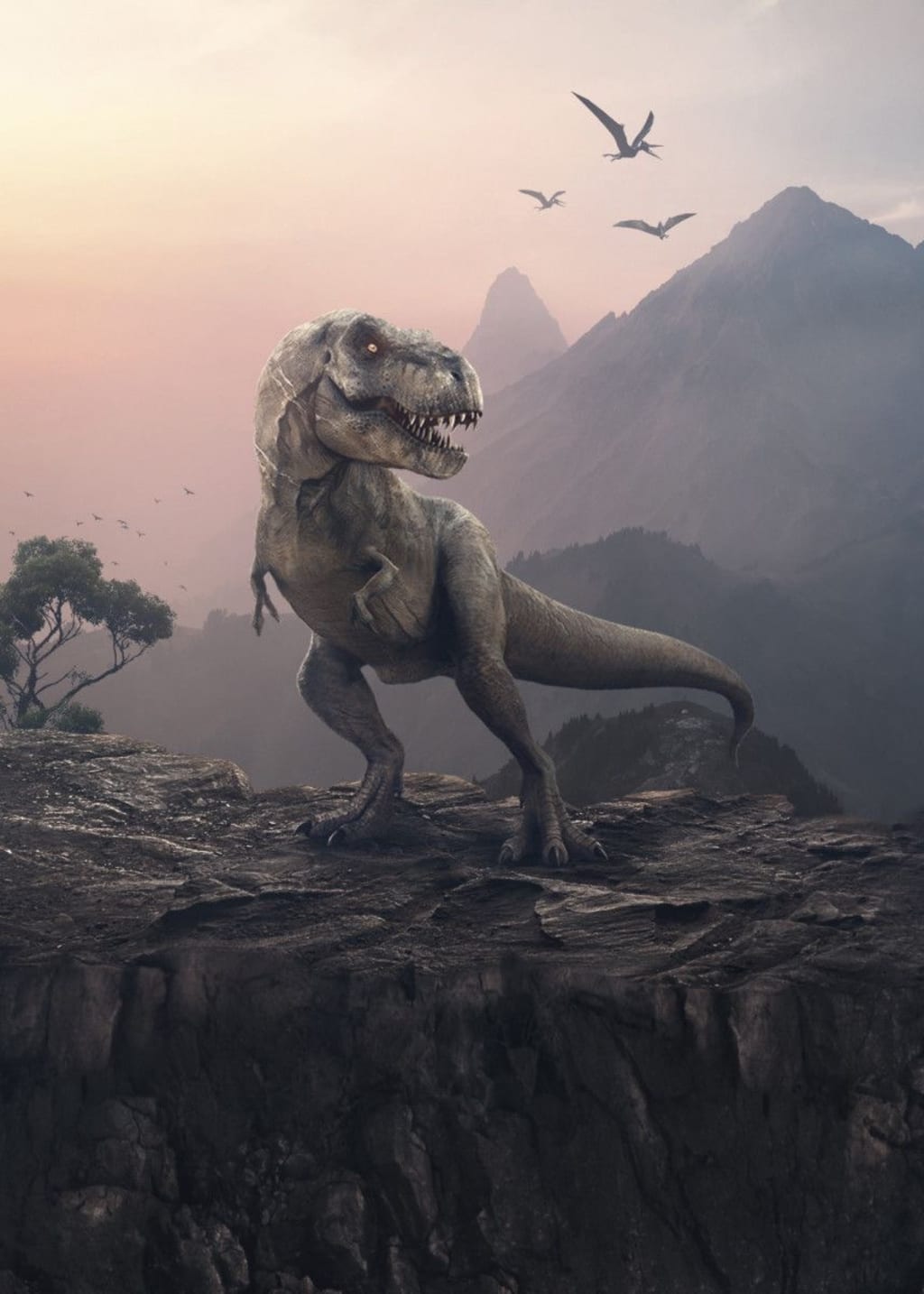
1. Tyrannosaurus rex (T. rex): Tyrannosaurus rex is one of the most famous and dangerous dinosaurs to have ever roamed the Earth. It lived during the late Cretaceous Period, approximately 68 to 66 million years ago. T. rex was a massive carnivorous dinosaur with a powerful build, a large skull, and sharp, serrated teeth. It could reach lengths of up to 40 feet and weigh up to 9 tons. With its incredible size, strength, and a bite force capable of crushing bone, T. rex was the apex predator of its time.
The extinction of T. rex, along with all non-avian dinosaurs, occurred at the end of the Cretaceous Period. This mass extinction event, known as the Cretaceous-Paleogene (K-Pg) extinction event, is widely attributed to a combination of factors. The leading theory suggests that a large asteroid or comet impact, known as the Chicxulub impact, occurred in what is now the Yucatán Peninsula, Mexico. The impact caused widespread devastation, including the release of vast amounts of dust and gases into the atmosphere. This led to a global catastrophe, with severe climate changes, reduced sunlight reaching the Earth's surface, and widespread ecological disruption. These factors, along with other possible influences such as volcanic activity and sea-level changes, contributed to the extinction of T. rex and numerous other species.

2. Velociraptor: Velociraptor is another dangerous dinosaur that lived during the Cretaceous Period, approximately 75 to 71 million years ago. Contrary to its portrayal in popular media, Velociraptor was significantly smaller than its cinematic depiction. It was about 6 feet long and weighed around 15 to 33 pounds. However, what Velociraptor lacked in size, it made up for with its intelligence, agility, and formidable hunting abilities. Velociraptor had a slender build, sharp teeth, and a distinctive sickle-shaped claw on each foot, which it likely used to slash at its prey. It is believed to have been an active predator, possibly hunting in packs to take down larger dinosaurs.
Velociraptor met its end during the K-Pg extinction event, just like T. rex. The environmental upheaval caused by the asteroid impact and its aftermath, such as the extreme changes in climate, reduced food availability, and widespread destruction of ecosystems, contributed to the extinction of Velociraptor and numerous other species.

3. Spinosaurus: Spinosaurus was a massive dinosaur that lived during the Cretaceous Period, approximately 112 to 93 million years ago. It is known for its unique sail-like structure on its back, formed by elongated spines. Spinosaurus had a long snout filled with conical teeth, suggesting that it primarily fed on fish. However, it was also capable of preying on other dinosaurs. With an estimated length of 40 to 50 feet and a weight of up to 20 tons, Spinosaurus was one of the largest known carnivorous dinosaurs.
Like T. rex and Velociraptor, Spinosaurus became extinct during the K-Pg extinction event. The catastrophic events resulting from the asteroid impact, such as the environmental changes, drastic temperature fluctuations, and the disruption of ecosystems, likely played a significant role in the extinction of Spinosaurus.

4. Allosaurus: Allosaurus lived during the late Jurassic Period, approximately 155 to 145 million years ago. It was a large carnivorous dinosaur known for its formidable size and hunting abilities. Allosaurus could reach lengths of up to 40 feet and weighed around 2 to 4 tons. It had a robust build, powerful jaws, and sharp teeth. Allosaurus likely hunted a variety of prey, including herbivorous dinosaurs.
The extinction of Allosaurus is believed to have occurred during the Jurassic-Cretaceous transition. While the exact cause of its extinction is unclear, it is thought to be linked to environmental changes and competition with other carnivorous dinosaurs that emerged during the early Cretaceous Period.

5. Carnotaurus: Carnotaurus lived during the late Cretaceous Period, approximately 72 to 69 million years ago. It was a unique dinosaur known for its distinctive appearance and specialized adaptations. Carnotaurus had a deep, elongated skull with forward-facing horns above its eyes. It also had a robust build, muscular limbs, and short, powerful forelimbs with two-fingered hands. The name "Carnotaurus" means "meat-eating bull" due to its bull-like appearance. It was a swift predator, capable of running at high speeds to catch its prey.
The extinction of Carnotaurus is attributed to the K-Pg extinction event, like many other dinosaurs. The global environmental disruptions caused by the asteroid impact, along with the resulting changes in climate and ecosystems, likely contributed to the demise of Carnotaurus and other dinosaur species.

6. Utahraptor: Utahraptor lived during the early Cretaceous Period, approximately 126 to 125 million years ago. It was a larger relative of Velociraptor, with estimates suggesting it could reach lengths of up to 20 feet and weigh around 1,000 pounds. Utahraptor had sharp, curved claws on its hind feet, which it likely used to slash at its prey. It is believed to have been a swift and agile predator that hunted in packs, taking down larger herbivorous dinosaurs.
The extinction of Utahraptor is thought to be linked to the ecological changes and competition during the early Cretaceous Period. The exact circumstances of its extinction remain uncertain, but it likely faced challenges from shifting ecosystems and the emergence of other predatory dinosaurs.

7. Giganotosaurus: Giganotosaurus lived during the late Cretaceous Period, approximately 99 to 97 million years ago. It was one of the largest known carnivorous dinosaurs, rivaling the size of T. rex. Giganotosaurus could reach lengths of up to 43 feet and weigh around 8 to 9 tons. It had a long, narrow skull, sharp teeth, and a powerful bite. Giganotosaurus was a dominant predator in its ecosystem, likely feeding on large herbivorous dinosaurs.
The extinction of Giganotosaurus is believed to be linked to the K-Pg extinction event. The environmental disruptions caused by the asteroid impact and the subsequent changes in climate and ecosystems would have significantly impacted Giganotosaurus and contributed to its extinction.

8. Spinosaurus aegyptiacus: Spinosaurus aegyptiacus was a species of Spinosaurus that lived during the Cretaceous Period, approximately 112 to 93 million years ago. Like its close relative, it had a large sail-like structure on its back. However, Spinosaurus aegyptiacus was even larger, with estimates suggesting lengths of up to 50 feet and weights of around 20 tons. It had a long, narrow snout filled with conical teeth, indicating a piscivorous (fish-eating) diet. However, it is thought to have also hunted other dinosaurs.
The extinction of Spinosaurus aegyptiacus is likely connected to the K-Pg extinction event. The global disruptions caused by the asteroid impact and the resulting ecological changes would have affected the availability of prey and the stability of its ecosystem, leading to its extinction.

9. Ankylosaurus: Ankylosaurus lived during the late Cretaceous Period, approximately 68 to 66 million years ago. It was a heavily armored herbivorous dinosaur known for its thick bony plates and large tail club. Ankylosaurus had a low-slung body and a broad, robust build, providing it with excellent defense against predators. It is believed to have used its tail club to fend off attackers.
The extinction of Ankylosaurus, like other non-avian dinosaurs, is attributed to the K-Pg extinction event. The catastrophic changes in the environment caused by the asteroid impact, including the destruction of habitats and the disruption of food chains, likely contributed to the extinction of Ankylosaurus.

10. Dilophosaurus: Dilophosaurus lived during the early Jurassic Period, approximately 201 to 190 million years ago. It was a medium-sized carnivorous dinosaur, reaching lengths of up to 20 feet. Dilophosaurus had a unique feature of twin crests on its head, which may have been used for display or species recognition. It had sharp teeth and claws, indicating it was an active predator.
The extinction of Dilophosaurus is believed to be linked to ecological changes and competition with other carnivorous dinosaurs during the early Jurassic Period. As ecosystems evolved and new species emerged, Dilophosaurus likely faced challenges that contributed to its extinction.

In summary, these ten dinosaurs—Tyrannosaurus rex, Velociraptor, Spinosaurus, Allosaurus, Carnotaurus, Utahraptor, Giganotosaurus, Spinosaurus aegyptiacus, Ankylosaurus, and Dilophosaurus—represent some of the most dangerous and formidable creatures that ever walked the Earth. Their extinction, like that of many other dinosaurs, is closely tied to the K-Pg extinction event, which involved an asteroid impact, climate changes, and ecological disruptions that reshaped the planet's ecosystems and ultimately led to the demise of these incredible species.
About the Creator
Keep reading
More stories from Jameel Chishti and writers in Fiction and other communities.
Title: if I had superpowers
Introduction: Superpowers have always captured the human imagination, fueling our desire to transcend the limitations of our ordinary existence. If given the chance, possessing superpowers would undoubtedly be a life-altering experience. In this essay, we will explore the profound impact and responsibilities that come with the possession of superhuman abilities, the potential to effect positive change in the world, and the importance of maintaining a balance between power and responsibility.
By Jameel Chishti3 years ago in Fiction
The Red Hatred
Sometimes I feel like I hate you. A kind of red magma forms inside me, in my chest, and rises to my throat. In that moment, I want to destroy. I want to grab a plate and smash it into pieces. I want to take scissors and shred that red, sexy underwear I bought to please you.
By Anastasia Tsarkova5 days ago in Fiction




Comments
There are no comments for this story
Be the first to respond and start the conversation.