
Top 10 reasons to watch Anime at least once in your Life
Anime is NOT a cartoon

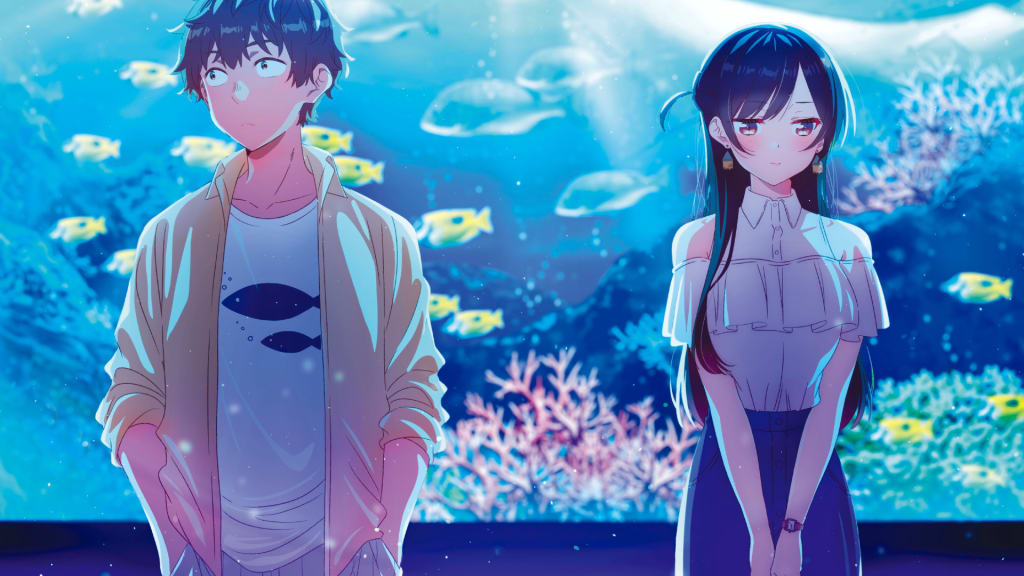
1. Unique and diverse storytelling:
Anime offers a wide range of genres and story types, making it appealing to a wide audience. Some popular genres include action, adventure, fantasy, science fiction, romance, comedy, and drama. Many anime series also blend multiple genres together, creating unique and complex narratives.
One of the most popular genre of anime is Mecha anime, which is a genre that centers on robots or machines controlled by people, it often features epic battles, complex characters and a deep exploration of the relationship between humans and technology.
Another popular genre is the Shonen anime, which is targeted towards young male audiences and usually features action-packed storylines, strong male lead characters, and themes of friendship, loyalty, and overcoming challenges.
Anime also offers a wide range of story types, from epic, long-running series to shorter, standalone OVAs (original video animations) and films. Some anime series are based on popular manga, while others are original stories created specifically for the anime medium.
Overall, the unique and diverse storytelling of anime allows it to appeal to a wide range of audiences and interests, making it a medium that offers something for everyone.
2. Visually stunning animation:
Anime is known for its visually stunning animation style, which can be both beautiful and captivating. One of the reasons for this is because anime often uses highly detailed and expressive character designs, which helps to bring the characters to life and make them more relatable to audiences.
Anime also often features imaginative and creative worlds, settings, and backgrounds, which can be very detailed, and realistic, or fantastical and surreal. These settings can range from futuristic cities, to rural towns, to mythical worlds, and more.
Anime also makes use of a wide range of animation techniques, such as hand-drawn animation, computer-generated animation, and stop-motion animation. These techniques allow anime to create a wide range of visual effects and styles, such as fast-paced action scenes, dynamic camera angles, and detailed special effects.
Many anime also make use of a wide range of artistic styles and techniques, such as watercolor, oil painting, and pastel, which can create a wide range of moods and emotions.
Additionally, the animation in anime often reflects the tone and theme of the series, adding to the overall immersive experience for the viewers.
Overall, the visually stunning animation of anime is one of the reasons why it is so popular and captivating for audiences of all ages, and backgrounds.
3. Deeply developed characters:
Many anime series feature complex, relatable characters with rich backstories and development. These characters are often written with a lot of depth and nuance, making them feel like real, fully-formed individuals with their own hopes, fears, and motivations.
Anime characters can be portrayed in a wide range of personalities and archetypes, from the stoic and reserved to the outgoing and extroverted, from the strong and powerful to the weak and vulnerable, from the serious and determined to the comedic and silly.
In addition to their personalities, many anime characters also have distinct visual designs, which can reflect their personalities, backgrounds or even their powers. This also helps to make them stand out and be more memorable to the viewers.
The development of these characters is often shown throughout the series, as they face conflicts, struggles, and growth, this can be through their interactions with other characters, the challenges they face, or even through their own personal journeys.
Anime also often features a diverse range of characters from different backgrounds, cultures, and experiences, giving representation to marginalized groups and providing a wide range of perspectives to the viewers.
Overall, the deeply developed characters of anime are one of the reasons why it is so engaging and relatable for audiences, making it easy to connect with them and understand their struggles and motivations.
4. Cultural immersion:
Anime offers a window into Japanese culture and can be a fun way to learn more about it. Many anime series are set in Japan and feature elements of traditional and modern Japanese culture, such as architecture, fashion, food, and customs. For example, the traditional Japanese tea ceremony is often featured in anime and is a key aspect of Japanese culture.
Anime also often reflects the values and attitudes of Japanese society, such as the emphasis on respect for elders, the importance of family and community, and the concept of "wa" (harmony). This can give viewers a deeper understanding of Japanese culture and society.
Additionally, many anime series are based on traditional Japanese myths, legends, and folklore, which can provide insight into the history and beliefs of the culture.
Furthermore, anime also often reflects Japanese pop culture, through references to anime, manga, video games, music, and more. This can give viewers a sense of what is popular and trendy in Japan at the time.
Finally, anime also reflects the cultural influences from other countries, since it is not only consumed in Japan but also around the world. This can help to promote cross-cultural understanding and appreciation of other cultures.
Overall, the cultural immersion of anime can be a fun and engaging way to learn about and appreciate Japanese culture, as well as other cultural influences.
5. Emotional impact:
Many anime series are known for their ability to evoke strong emotions and connect with viewers on a deeper level. Anime can be incredibly powerful in the way it tells a story and the emotions it can evoke in the audience.
Anime can range from light-hearted and comedic to dark and serious, and often explores themes such as love, loss, friendship, and the human condition. Many anime series tackle serious and thought-provoking themes, such as mental health, societal issues and existential questions, which can make the audience reflect on their own lives and experiences.
Anime also often features characters that are easy to connect with and root for, which can make the audience emotionally invested in the story and characters. This can lead to viewers feeling a wide range of emotions, such as joy, sorrow, hope, and even tears.
In addition, anime often features beautiful and evocative music, which can enhance the emotional impact of the series. The combination of music, animation and storytelling can create a powerful emotional experience for the viewer.
Overall, the emotional impact of anime is one of the reasons why it is so popular and beloved by audiences. It has the ability to touch viewers on a deep level and leave a lasting impression on them.
6. Thought-provoking themes:
Many anime series tackle serious and thought-provoking themes, which can make the audience reflect on their own lives and experiences. These themes can range from personal and emotional to societal and political issues.
One of the most common themes in anime is the exploration of the human condition, such as the nature of humanity, the meaning of life, and the search for identity and purpose. Many anime series also explore themes of self-discovery, personal growth, and the struggles of growing up and becoming an adult.
Another common theme in anime is the exploration of societal issues, such as discrimination, prejudice, and inequality. Many anime series tackle these issues in a mature and nuanced way, and can raise awareness and inspire change.
Anime also often explores themes of mental health and well-being, such as depression, anxiety, and trauma. These themes can be sensitively and accurately portrayed, and can help to destigmatize mental health issues and provide support to those who may be struggling.
Other themes include political and social issues, such as war, corruption, and environmental concerns. These themes can be used to raise awareness and inspire change, and may also reflect the current issues in Japan or the world.
Overall, the thought-provoking themes of anime can be a powerful tool for raising awareness and inspiring change on a wide range of issues. They also often make the audience reflect on their own lives and experiences, which can be a meaningful and enriching experience.
7. Representation:
Many anime series feature characters from diverse backgrounds and perspectives, giving representation to marginalized groups. This can include representation for people of different races, ethnicities, sexual orientations, gender identities, and abilities.
For example, some anime series feature characters from different racial and ethnic backgrounds, which can be a rarity in other forms of media. This can help to promote understanding and acceptance of different cultures and can also provide representation for viewers from those backgrounds.
Some anime series also include characters who identify as LGBTQIA+ which is a positive representation for those members of the community who are often underrepresented in media.
Another important aspect of representation in anime is the representation of characters with disabilities. This can help to raise awareness and promote understanding of different abilities, and can also provide representation for viewers with disabilities.
Additionally, many anime series also feature strong, independent, and diverse female characters. This can help to break down stereotypes and provide representation for women in a medium where they are often underrepresented.
Overall, the representation of diverse characters in anime can be an important aspect of the medium, as it helps to promote understanding and acceptance of different cultures, backgrounds, and perspectives. It also provides representation for marginalized groups and can help to break down stereotypes and challenge societal norms.
8. Engaging storylines:
Many anime series have well-written and engaging storylines that keep viewers hooked. These storylines can be complex and multi-layered, with a mix of action, drama, and character development. They often feature rich world-building and well-defined characters, which can make the audience invested in the story and the characters.
Anime storylines can also be very diverse, ranging from long-running series with multiple seasons, to shorter, standalone OVAs (original video animations) and films. Some anime series are based on popular manga, while others are original stories created specifically for the anime medium. This diversity allows for a wide range of storytelling styles and appeals to a wide range of audiences.
Anime storylines can be serialized, meaning that they are divided into episodes that are meant to be watched in order. They often have a clear narrative structure, with a beginning, middle, and end, but also may have arcs, which are shorter stories that are part of the main narrative and often have their own resolution.
In addition, many anime series feature plot twists and unexpected turns, which can keep viewers on the edge of their seats and guessing what will happen next. These twists often build tension and keep the audience engaged and invested in the story.
Overall, the engaging storylines of anime are one of the reasons why it is so popular and beloved by audiences. They often provide an immersive and captivating viewing experience that leaves a lasting impression on the audience.
9. Dubbing and subtitles:
Many anime series are available in both dubbed and subtitled versions, making it accessible to a wider audience. This allows viewers to watch the anime in their native language, which can be helpful for those who are not fluent in Japanese or who prefer to watch anime in their own language.
Dubbing refers to the process of recording a new voice track in a different language. This can be helpful for viewers who are not familiar with the Japanese language, or who prefer to watch anime with English or their native language voices.
Subtitling refers to the process of adding text to the bottom of the screen, translating the dialogue from Japanese to another language. This can be helpful for viewers who are more familiar with the Japanese language and want to follow along with the original dialogue.
Subtitles can also be helpful for viewers who are learning Japanese, as it can be a fun and engaging way to practice reading and listening to the language.
Many streaming platforms offer both dubbed and subtitled versions of anime, allowing viewers to choose the format that works best for them. This makes the anime more accessible to a wider audience and allows more people to enjoy the medium.
Overall, the availability of both dubbed and subtitled versions of anime is beneficial for the audience as it allows them to watch the anime in their preferred language, and also makes the anime more accessible to a wider audience.
10. Sense of community:
The anime community is a passionate and welcoming one, and watching anime can be a fun way to connect with others who share your interests. The community is made up of fans from all over the world, who come together to discuss, share, and appreciate anime.
Anime conventions are a great way to connect with other fans. These events feature panel discussions, cosplay contests, screenings, merchandise sales and more. They offer a space for fans to come together, meet like-minded people, and participate in activities related to the anime culture.
Online communities also exist, such as forums, social media groups, and fan websites. These communities provide a space for fans to discuss their favorite anime series, share fan art and cosplay, and connect with other fans from around the world.
Watching anime with friends or family can also be a fun and bonding experience. It allows for conversations about the series and its themes, and also provides a shared experience to connect over.
The anime community also has a culture of fan-made content, such as fan art, cosplay, and fan fiction. This can be a fun and creative way for fans to express their love and appreciation of anime, and also allows them to connect with others who share their interests.
Overall, the sense of community of anime is an important aspect of the medium, as it allows fans to connect with others who share their interests, and provides a space for discussion, creativity, and appreciation of the medium.
About the Creator
Logeshwaran S
Just another Unique individual like you !
Keep reading
More stories from Logeshwaran S and writers in Fiction and other communities.
Why can't developers be replaced by ChatGPT?
Intro: ChatGPT is an advanced language model developed by OpenAI that is capable of performing a wide range of natural language processing tasks. One interesting fact about ChatGPT is that it uses a technique called "transformer architecture" which allows it to process a large amount of data in parallel. This technique enables ChatGPT to have a much larger capacity than traditional recurrent neural networks, and allows it to generate more coherent and fluent text. Additionally, the transformer architecture allows ChatGPT to have a more efficient training process, making it possible to train on much larger datasets, which in turn can lead to larger models such as GPT-3, which has 175 billion parameters. This makes ChatGPT a powerful tool for various applications in the field of natural language processing. As with any new technology, there is speculation about its potential impact on various industries and professions, including the role of developers. In this context, we will discuss the top 5 reasons why ChatGPT is not a replacement for developers, despite its capabilities.
By Logeshwaran S3 years ago in Geeks




Comments
There are no comments for this story
Be the first to respond and start the conversation.