
To kill a mockingbird
A chronicle of racial discrimination in the American south
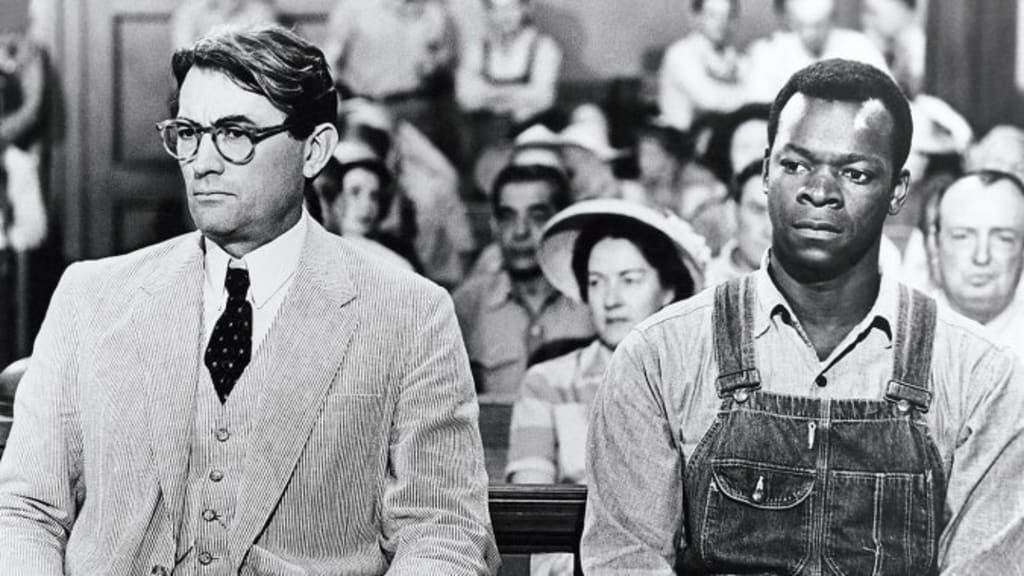
"To Kill a Mockingbird" is a novel written by Harper Lee and was published in 1960. The story follows Scout Finch, an eight-year-old girl living in a small town in Alabama during the 1930s. The plot revolves around a racial trial, in which a black man named Tom Robinson is falsely accused of raping a white woman. Scout and her brother Jem are under the care of their father, Atticus Finch, a respected and fair lawyer who acts as Tom's defender in the trial.
The novel addresses important themes such as racial discrimination, justice, and morality through Scout's perspective. In the town of Maycomb, where Scout and Jem grow up, racial discrimination is a daily reality, and Atticus is a strong advocate for equality under the law. Through the trial, Scout and Jem learn about the importance of justice and the fight against discrimination.
In addition to the racial theme, the novel also deals with the loss of innocence and the understanding of adulthood. Scout and Jem begin the story as innocent children but as they experience life's challenges, they start to understand the complexity of the world they live in. Through Atticus's character, the novel demonstrates that it is possible to maintain integrity and justice in a world full of injustice and discrimination.
The novel also includes a subplot about a mysterious neighbor named Boo Radley. Scout and Jem are initially obsessed with him and believe he is dangerous, but as the story progresses, they come to understand his true nature and respect him. Boo represents the importance of not judging people by their appearance or rumors and highlights how it is possible to find goodness in unexpected places.
In conclusion, "To Kill a Mockingbird" is a powerful and touching novel that deals with universal and relevant themes. Scout's narrative provides a unique perspective on the loss of innocence and the understanding of adulthood, while the Tom Robinson trial underscores the importance of justice and the fight against discrimination. The novel is a call to compassion and empathy and serves as a reminder that equality and justice are universal values that must be defended at all times.
The novel is considered a classic of American literature and has been widely praised for its literary excellence. Its writing style is simple but effective, and the story is full of memorable characters that have become cultural icons. Its themes are timeless and still relevant today, and its impact has been felt in many areas, from literature to film and popular culture.
"To Kill a Mockingbird" is frequently studied in schools and universities as part of the curriculum, and its impact has been felt in many different ways. It has been used as a tool for discussion of important social issues and has inspired countless works of fiction, poetry, and drama. The novel has been adapted for the stage and screen, and has been the subject of countless essays and articles, making it one of the most widely discussed works of literature in the world.
Furthermore, the novel's impact extends beyond its literary significance. Harper Lee's work is viewed as a powerful reflection of the American experience and is a testament to the resilience of the human spirit. The story of Scout Finch, Atticus Finch, and Tom Robinson continues to touch the hearts of readers worldwide and inspires them to fight for justice and equality.
In conclusion, "To Kill a Mockingbird" is not only a great work of literature but a powerful force for good. Its themes of justice, equality, and morality have inspired countless people around the world, and its impact continues to be felt today. The novel is a timeless masterpiece that will be cherished for generations to come and is a must-read for anyone who is passionate about literature and social justice.
.
About the Creator
Keep reading
More stories from Azeddine Gouri and writers in Fiction and other communities.
Watch Hollow By Gregory Funaro
watch Hollow" is a book written by Gregory Funaro that falls into the dark fantasy genre. The story follows a boy named Jack Peregrine, who lives in a small town called Watch Hollow. Jack is a lonely boy who feels trapped in his own life and in his own body, since he suffers from a disease that makes him smaller than normal.
By Azeddine Gouri3 years ago in Horror



Comments
There are no comments for this story
Be the first to respond and start the conversation.