
The Truth Behind the Evil Eye: Belief, Culture, Faith and Psychology
Why people fear Nazar, where the idea came from, and what science and religion really say

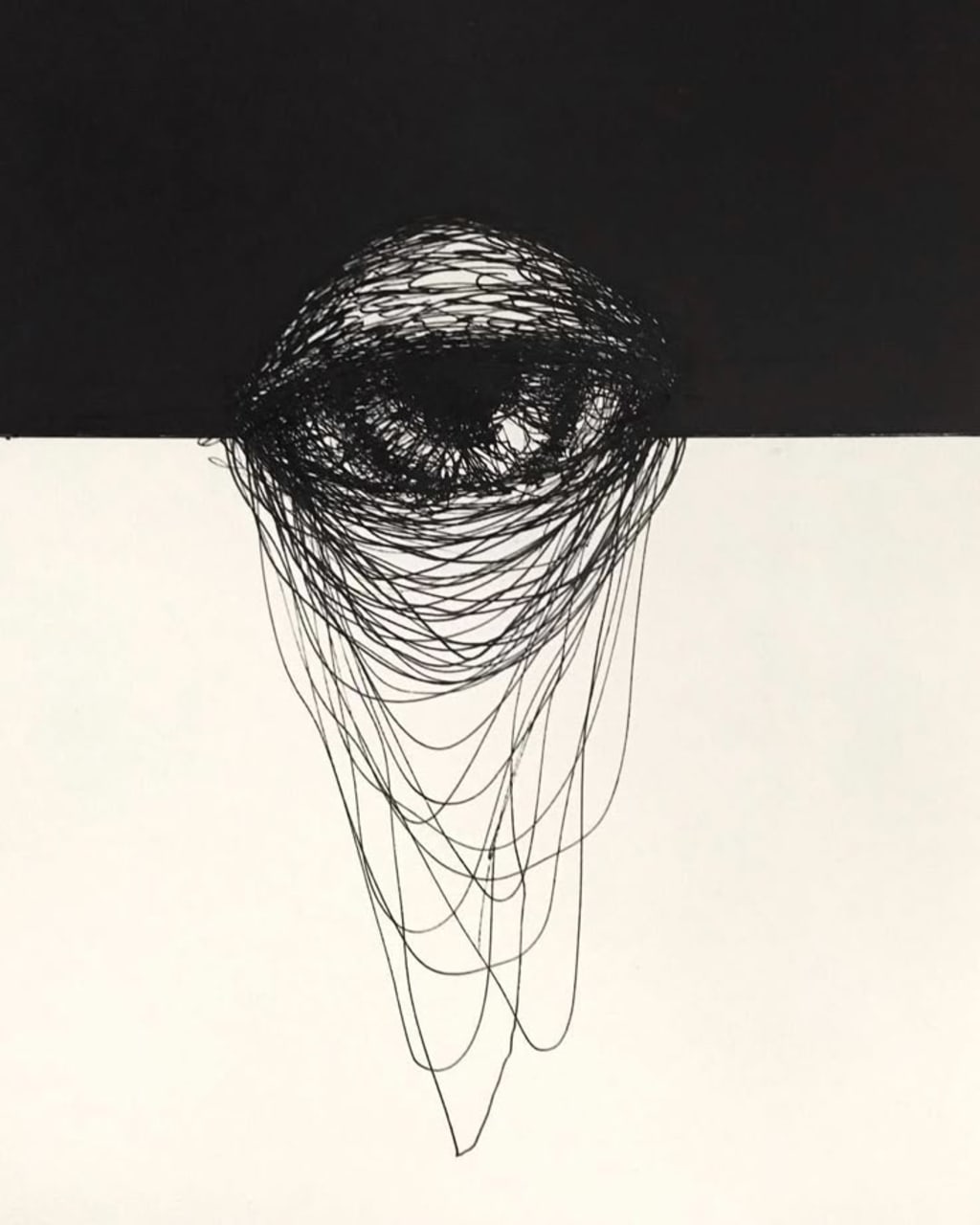
The idea of the Evil Eye, or Nazar, is deeply rooted in many cultures across the world. For centuries, people have believed that someone's gaze, filled with envy or admiration, can cause sudden harm or misfortune. But is Nazar truly a supernatural force, or is it something shaped by psychology and belief? This article explores the origin of the idea, how religions view it, and what modern psychology says about it.
1. What People Call the Evil Eye
Many of us have experienced moments when everything seemed to be going well, and then something suddenly went wrong. One day you receive a promotion, and the next day you lose your job. You prepare for an important exam, and suddenly you fall sick. In many societies, people quickly blame these unexpected events on the Evil Eye.
The basic idea is simple: someone looks at you with jealousy or intense admiration, and that look somehow affects your life in a harmful way. The purpose of this article is to explore whether this is a real spiritual threat or a misunderstanding of human psychology.
2. Where This Belief Began
The concept of the Evil Eye is not limited to one culture or religion. It has existed for more than 5,000 years. Archaeologists have found symbols and writings about it in ancient Mesopotamia. The belief appears in Greek, Roman, Jewish, Christian, Buddhist and Hindu traditions.
Across cultures, the Evil Eye is usually connected to envy. Pregnant women, newborn babies, and valuable animals such as livestock were always considered more vulnerable. In many places, people still hide a newborn baby's face from guests or avoid praising a child too much.
There is also an interesting contradiction within the belief. Even if someone looks at you with admiration and not jealousy, people still fear that admiration alone might invite harm. That is why, in some cultures, people avoid complimenting others directly.
Different regions have their own unique stories related to Nazar:
• In parts of Europe, people once suspected that blue-eyed individuals had the power to cast harm.
• In Italy, people with unibrows were considered suspicious.
• In India, the human eye is seen as a powerful energy point, especially during major life events like birth, puberty or marriage.
These ideas may sound strange today, but they were once deeply accepted as truth.
3. How Islam Explains It
The video highlights an important distinction made by many Islamic scholars. Islam does not support the idea that a magical beam from someone’s eyes can break your success or destroy your health. What Islam warns against is hasad—jealousy and bad intentions.
Hasad can harm people emotionally, socially and spiritually, because jealousy can lead to negative actions and bad relationships. But the idea that someone’s glance can magically cause harm is not supported in authentic Islamic teachings.
The speaker in the video also warns that many religious figures use superstitions to create fear and control people. When believers focus too much on supernatural dangers, they forget the responsibilities and choices that shape their own lives.
4. What Psychology Says
Modern psychology views the Evil Eye as a reflection of the human mind. When we cannot find a logical reason for something bad happening, we look for an explanation that makes us feel less helpless. Blaming Nazar becomes a comfortable answer.
Another important psychological factor is classical conditioning. For example, if someone faces a minor accident on a day they were wearing a new piece of jewelry, they might connect that event to bad luck. From that moment on, they may always fear similar situations.
The placebo effect also plays a major role. When someone strongly believes that Nazar can harm them, their mind and body react to that fear. Stress increases, performance drops, and health can decline. The person may think it’s Nazar, but it is actually their own anxiety controlling the situation.
The speaker points out that successful countries and public figures do not hide their achievements out of fear of Nazar. If the Evil Eye truly operated as a supernatural force, celebrities, athletes and influencers would suffer the most. Yet they continue to succeed, which strongly suggests that Nazar is more about belief than reality.
5. The Real Danger: Superstition
The biggest harm of believing too strongly in the Evil Eye is that it shifts responsibility away from the individual. When people blame Nazar for their failures, they stop analyzing their own decisions and actions. This reduces personal growth and creates a mindset of helplessness.
There is also a huge business built on fear. Around the world, people spend billions on amulets, bracelets, spiritual items and rituals. This creates dependence and strengthens the superstition instead of offering real solutions.
6. Final Thoughts
In the end, the message is simple: you shape your own life. Superstition cannot decide your future. If you make strong decisions, work hard and stay focused, no unseen force can stop you. Fear limits you, but knowledge empowers you. Instead of blaming Nazar, the smarter choice is to understand your actions and keep improving.
About the Creator
Salman Writes
Writer of thoughts that make you think, feel, and smile. I share honest stories, social truths, and simple words with deep meaning. Welcome to the world of Salman Writes — where ideas come to life.
Keep reading
More stories from Salman Writes and writers in Fiction and other communities.
The Window No One Opened
The wind rattled the loose glass of the attic window long before I reached the staircase. This old house had lived a hundred lives, but tonight it felt more alive than it had in years. Shadows gathered near the corners, thick and silent, as if they too remembered what happened here.
By Salman Writes3 months ago in Fiction
Winterthorne
Winterthorne stood alone at the edge of the park. The beautiful snow that had surrounded him was all trampled now, from the feet of all of the children who had built him. He missed the sparkly clean snow blanket, but he was happy that so many children had come out to make him.
By Laura DePace7 days ago in Fiction




Comments
There are no comments for this story
Be the first to respond and start the conversation.