
The Sound of Falling Glass
Your choices aren’t my problem

The night was colder than usual when Clara found herself standing in front of the pawnshop window, staring at the reflection of a life she no longer recognized.
Her hair was tangled, her eyes hollowed by weeks of sleeplessness, and her coat—once white—was now the color of city dust. In her hands, she clutched a violin case. It wasn’t hers. That was the problem.
The pawnshop’s neon sign buzzed faintly behind the glass: “We Buy Anything.”
“Anything,” she whispered, her voice cracking. “Even this?”
She took a deep breath and stepped inside.
The bell above the door chimed softly. The smell of old wood and metal filled the air.
Behind the counter stood an old man polishing a pocket watch. His face was all wrinkles and patience.
“Evening,” he said, not looking up. “What can I do for you?”
Clara hesitated, then placed the violin case on the counter.
“It’s… old,” she said. “Worth something.”
He opened it carefully, like handling a sleeping child. The varnish on the violin shimmered faintly under the flickering light. He plucked one string, listened, then sighed.
“This is fine work,” he murmured. “Eighteenth century, Italian. Must’ve played some real music in its time.”
She swallowed hard. “So how much?”
He looked up for the first time, his eyes sharp. “It’s stolen, isn’t it?”
Her breath caught. “What makes you think that?”
“I’ve been doing this fifty years,” he said quietly. “People who sell what’s theirs, they look sad. People who sell what’s not, they look scared. You, young lady, look terrified.”
Clara looked away, blinking fast. “Please. I just need the money.”
He studied her a moment longer, then closed the case gently.
“Why don’t you tell me what happened?”
The clock on the wall ticked. The rain outside turned heavier, whispering against the glass.
“It belonged to a man I worked for,” she said. “A collector. He kept it in a locked case, said it was worth more than his house.”
“And you took it?”
“I didn’t mean to,” she said quickly. “I just—he hadn’t paid me in months. My mother’s in the hospital. They said if I don’t pay by tomorrow, they’ll stop treatment.”
Her voice broke. “So yeah, I took it.”
The old man leaned back in his chair. For a moment, neither of them spoke. Then he said, “You know what’ll happen if you sell it here?”
Clara nodded. “He’ll find out. He’ll report it. I’ll be caught.”
“And still you came.”
“I had no choice.”
He sighed again. “There’s always a choice. Sometimes just bad ones.”
He reached for a drawer beneath the counter and pulled out a steaming cup of tea. “Drink,” he said. “You’re shaking.”
She hesitated, then accepted it. The warmth seeped into her frozen fingers. For a brief, fleeting moment, she felt human again.
“What’s your name?” he asked.
“Clara.”
“Mine’s Samuel.” He smiled faintly. “You remind me of my daughter. Same eyes. Same stubbornness.”
“She must be lucky,” Clara said softly.
“She was,” he said. “Until she wasn’t.”
The silence that followed was heavier than the rain.
“Tell me something,” Samuel said finally. “If I gave you enough to pay the hospital, would you return the violin?”
Clara blinked. “You’d do that?”
“Depends. Would you promise to go back and make it right?”
Her heart twisted. “You don’t understand. He’s not just my boss. He’s… dangerous. He owns people. If he finds out I touched his violin, he’ll—”
She stopped. The tremor in her voice said the rest.
Samuel nodded slowly. “Then maybe you need more than money.”
Before she could ask what he meant, the sound of tires screeching outside cut through the quiet.
A black car stopped in front of the shop.
Clara froze. She knew that car.
“Clara,” Samuel said calmly. “Who is that?”
She whispered, “His men.”
The headlights cut through the window like blades of light. A shadow moved inside the car, watching.
Samuel’s jaw tightened. “Back room. Go.”
“But—”
“Now.”
He opened a side door and guided her behind shelves stacked with tarnished instruments and cracked picture frames. She could hear her heartbeat louder than the storm.
Moments later, the front door swung open.
“Evening,” a voice said — smooth, casual, and poisonous.
“Old man, you seen a girl come through here? Brown coat, violin case, nervous eyes?”
Samuel didn’t answer right away. “Plenty of nervous eyes in this city,” he said evenly. “But no one like that tonight.”
The man chuckled. “You sure? ’Cause we tracked her phone to right outside.”
“I’m sure,” Samuel said, his tone sharpening. “Now, unless you’re here to buy something, I’d appreciate you leaving.”
There was silence. Then the man’s voice turned colder.
“You’ve got a lot of courage for someone with nothing left to lose.”
Footsteps. A pause. Then the doorbell chimed again — they were gone.
Clara stumbled out, trembling. “You shouldn’t have done that.”
He shrugged. “Someone’s got to stand up for the scared ones.”
Tears burned in her eyes. “Why are you helping me?”
Samuel smiled, weary but kind. “Because once, someone helped me when I didn’t deserve it. I didn’t repay them. Maybe this is my chance.”
They stayed in the dim light for an hour, waiting until the storm eased.
Samuel packed the violin back in its case and handed it to her.
“Take it back,” he said. “Put it where it belongs. Don’t sell it. Don’t run.”
“I can’t—”
“Yes, you can. I’ll cover the hospital bill.”
Clara stared at him, stunned. “You don’t even know me.”
“I don’t have to. You’re someone’s child. Someone’s hope. That’s enough.”
She wanted to argue, to tell him she wasn’t worth saving. But his calmness silenced her panic.
“Go before the rain stops,” he said softly. “It’ll hide your trail.”
Clara stepped out into the downpour, the violin case heavy in her hand.
She moved quickly through the streets, breath misting in the cold. Every corner felt like danger. Every sound, a threat.
She made it to her boss’s house near midnight — the mansion dark, silent.
She crept inside through the side gate, her shoes squelching in the mud.
The glass cabinet where the violin belonged stood open, empty.
Her hands trembled as she placed it back inside.
For a brief moment, she stared at her reflection in the glass — a girl on the edge of ruin, trying to piece herself back together.
She turned to leave.
And then — a light flicked on.
“Clara,” a voice said from the stairs. Smooth. Familiar. Terrifying.
Her boss — Mr. Raines — stood in his robe, holding a phone.
“Breaking in now?” he said softly. “You should’ve run further.”
“I came to return it,” she said quickly. “I—”
“I don’t care why you took it,” he said. “Only that you did.”
He dialed a number. “Police? Yes, I’ve caught a thief—”
“Please,” she whispered. “Don’t do this. My mother—”
He looked at her, eyes glinting with disdain. “Your choices aren’t my problem.”
Something in her broke.
The next moments blurred.
She lunged forward. The violin case struck the floor.
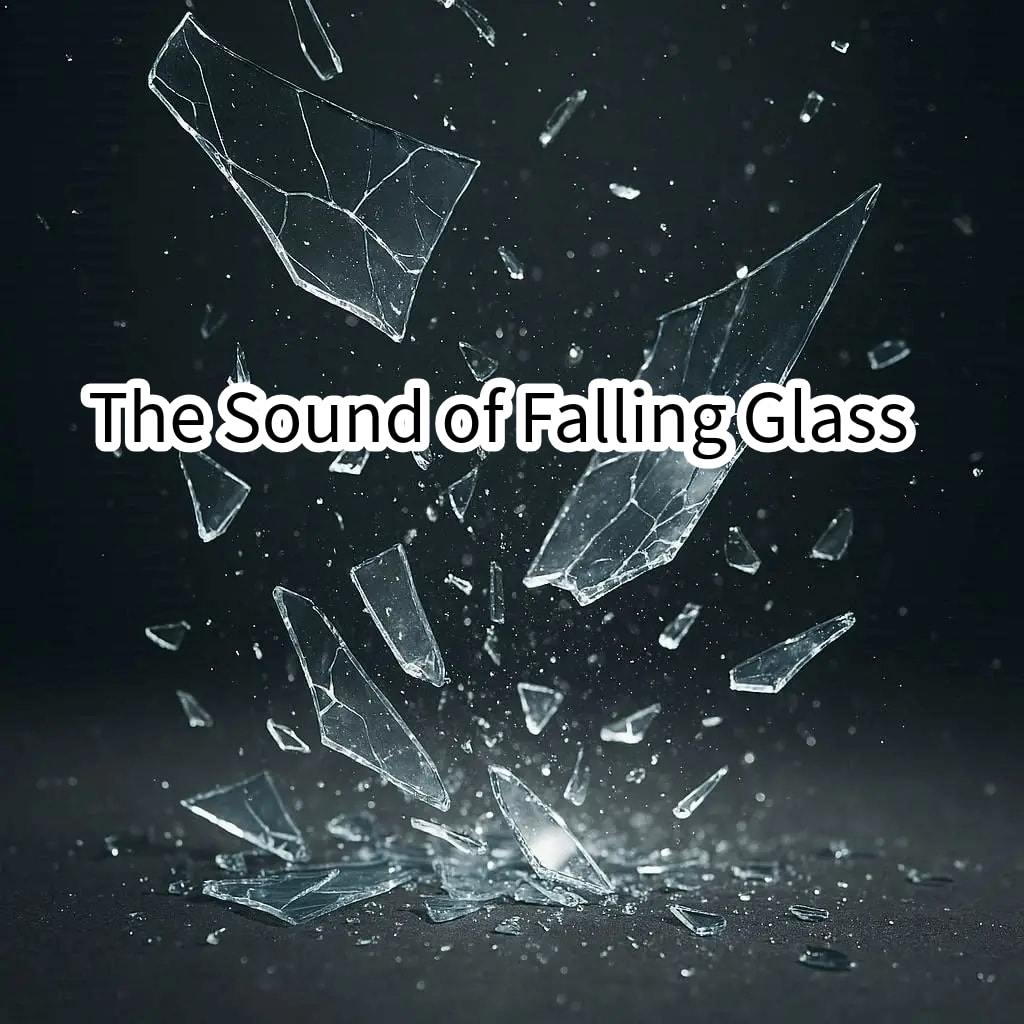
Glass shattered — the cabinet collapsing in a rain of crystal shards.
Raines stumbled, shouting, slipping on the fragments.
Then — silence.
He wasn’t moving.
Clara stood over him, breath ragged, hands bleeding.
The sound of the storm outside faded into nothing.
Only the sound of falling glass remained — delicate, endless, damning.
She didn’t remember running. Only the streetlights spinning past, the cold air cutting her throat, the emptiness roaring in her ears.
When she reached the pawnshop again, it was almost dawn.
She burst inside. “Samuel—”
But the shop was empty.
The shelves bare.
Dust everywhere.
No sign of him.
Only a single object remained on the counter — a folded note and an old photograph of a young woman holding a violin.
The note read:
“Sometimes kindness is the only rebellion left.
Don’t let it die with you.”
—S.
Clara sank to her knees, the paper trembling in her hands. For the first time in years, she cried — not from fear, but from the unbearable weight of what she’d lost, and what she’d almost become.
The police found her an hour later, wandering near the bridge.
She didn’t resist. She didn’t speak.
When they asked why she hadn’t run, she only said, “Because someone believed I could be better.”
Years later, in a quiet rehabilitation center by the sea, Clara taught music to children.
She played the violin sometimes — not the stolen one, but a cheap, scratched instrument that still sang when she touched it.
Whenever one of her students asked where she learned to play, she smiled faintly and said:
“From someone who understood that saving people isn’t about erasing their mistakes. It’s about showing them they still have a choice.”
And on rainy nights, when she closed her eyes, she could still hear the sound of falling glass — a haunting reminder of the night she shattered everything, only to find that some things, once broken, can still make music.
About the Creator
Zidane
I have a series of articles on money-saving tips. If you're facing financial issues, feel free to check them out—Let grow together, :)
IIf you love my topic, free feel share and give me a like. Thanks
https://learn-tech-tips.blogspot.com/



Comments
There are no comments for this story
Be the first to respond and start the conversation.