
The Silence Behind the Word “Un-Alive”
"How language softens pain but silences truth."

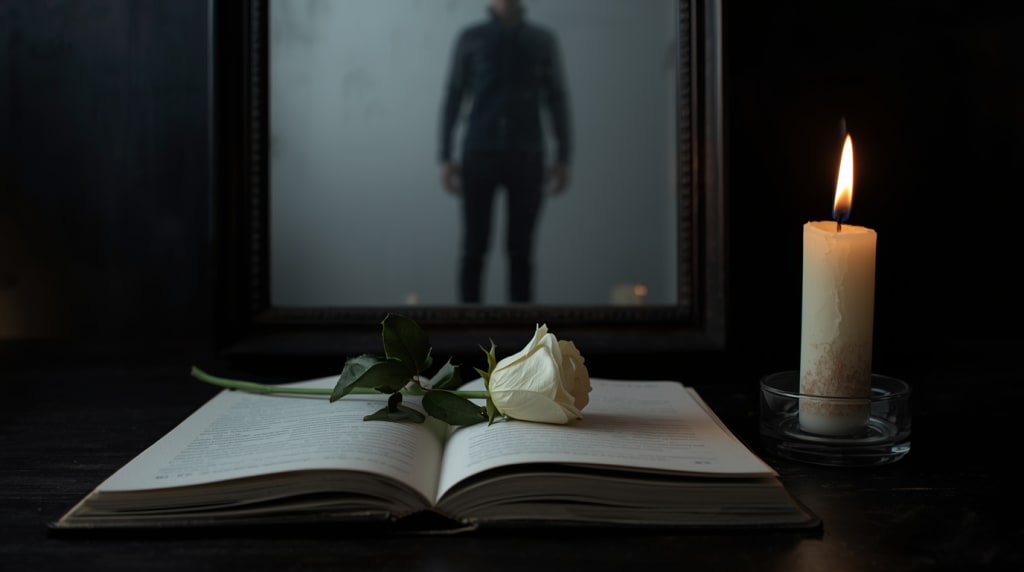
Sometimes, it’s not the loud words that hurt the most — it’s the ones that whisper around the truth.
We’ve created new ways to talk about pain, softer ways to name what we fear. But somewhere between kindness and censorship, we lost honesty.
There’s a strange kind of silence that follows the word “un-alive.” It lingers in the air — not loud, not emotional, just… uncomfortable. It’s a word that tries too hard to sound gentle, as if the softness of syllables can erase the heaviness of what it’s trying not to say. But here’s the truth: sometimes, our gentleness becomes a disguise for fear.
In a world where every word is measured, filtered, and sanitized, “un-alive” feels like a symptom of our collective discomfort with death, grief, and reality. We scroll past tragedies, we post black hearts, we type “RIP” or “they became un-alive” — and for a moment, we think we’ve handled it delicately. But in doing so, we often bury the honesty beneath layers of polite avoidance.
Language has always been a mirror of our emotions. Once, people spoke of death as an inevitable part of life — something that demanded reverence, poetry, and sometimes even peace. Now, it’s wrapped in euphemisms. “They’re in a better place.” “They passed away.” “They’re un-alive.” Each version feels a little safer, a little less raw. But when we polish every truth until it stops cutting, we also lose its power to move us.
The word “un-alive” doesn’t just hide death; it hides pain. It erases the intensity of loss, the gravity of existence ending. It tries to turn something sacred and human into a linguistic loophole. Maybe we do this because real words — like death, dying, gone — force us to feel. They make us pause, confront, cry, remember. And that kind of confrontation scares us more than the silence ever could.
But language is more than communication — it’s connection. When we speak truthfully, even when it hurts, we give others permission to feel too. Saying “un-alive” might protect us from discomfort, but it also isolates us from empathy. It’s a word that fills space without carrying meaning. It says something and nothing at the same time.
There’s also something deeply ironic about how this word came to exist. In online spaces, especially on social media platforms, algorithms began punishing users for using “sensitive” words — words like death or suicide — even when they were part of awareness, healing, or educational conversations. So, the internet invented a workaround: “un-alive.” It was born not from empathy, but from censorship. From fear of losing views, getting flagged, or being silenced. It’s not language evolving naturally — it’s language bending under digital pressure.
We began using “un-alive” to stay visible online, but somewhere along the way, it became normal offline too. It slipped into speech, into writing, into the way we frame human loss. That shift says something about how modern life treats emotion — as something to be managed, not expressed. We avoid the messiness of grief because it doesn’t fit the clean design of our feeds.
But the truth is, real life isn’t algorithm-friendly. It’s raw, loud, and sometimes unbearable. And when someone dies, the most honest thing we can do is name it. Naming it doesn’t make it worse — it makes it real. It gives shape to pain so it can be understood, shared, and eventually, softened by memory rather than avoidance.
When we use words like “un-alive,” we’re not protecting people — we’re protecting ourselves. We’re building walls against the things we fear most: endings, loss, and our own vulnerability. But those walls don’t keep pain out; they just keep love from reaching in.
There’s bravery in saying what we mean. There’s tenderness in calling pain by its name. Because only when we face the raw edges of reality can we begin to heal. The world doesn’t need more softened words — it needs honesty wrapped in compassion. It needs us to speak, not silence.
We need to remember that language isn’t just about avoiding offense — it’s about expressing truth. If we keep erasing the realness of life and death from our words, we’ll lose the ability to process them in our hearts. The more we try to hide from darkness, the less we understand the light.
So maybe it’s time to stop whispering around the truth. Maybe it’s time to say death without flinching, to mourn without masking it in metaphor. Because when we strip away the euphemisms, we don’t become cruel — we become real. And real is what grief deserves.
There is silence behind the word “un-alive” — but it doesn’t have to stay that way. We can choose words that honor life, not erase it. We can speak the truth, even when it trembles. Because in the end, honesty isn’t harsh — it’s human.
About the Creator
[email protected]
Living life, one smile at a time 😎
Coffee lover ☕ Dreamer 🌟"
Just vibin’ and creating memories ✌
Curious mind, happy heart 💛
Chasing sunsets and good vibes 🌅
.
Keep reading
More stories from [email protected] and writers in Fiction and other communities.
A World Rewritten
No one remembered who wrote the first word. Some said it was the gods, scratching fate into stone tablets. Others believed it was a forgotten scribe, a human who stumbled upon the secret of creation by accident. Whatever the truth, the Book had always existed, vast and unending, its pages older than time itself. Every event, every life, every choice was written within it, and once ink touched its parchment, the future became unshakable.
By [email protected]5 months ago in Fiction



Comments
There are no comments for this story
Be the first to respond and start the conversation.