
The Secrets of the Pyramids: Unlocking Ancient Mysteries
The Great Pyramids of Giza have stood as timeless monuments for over 4,500 years, captivating the imaginations of historians, archaeologists, and travelers alike. These colossal structures, built as tombs for pharaohs, harbor secrets that continue to intrigue scholars and enthusiasts. From their precise alignment to their construction techniques, the pyramids are more than just tombs—they are gateways to understanding ancient Egyptian civilization.

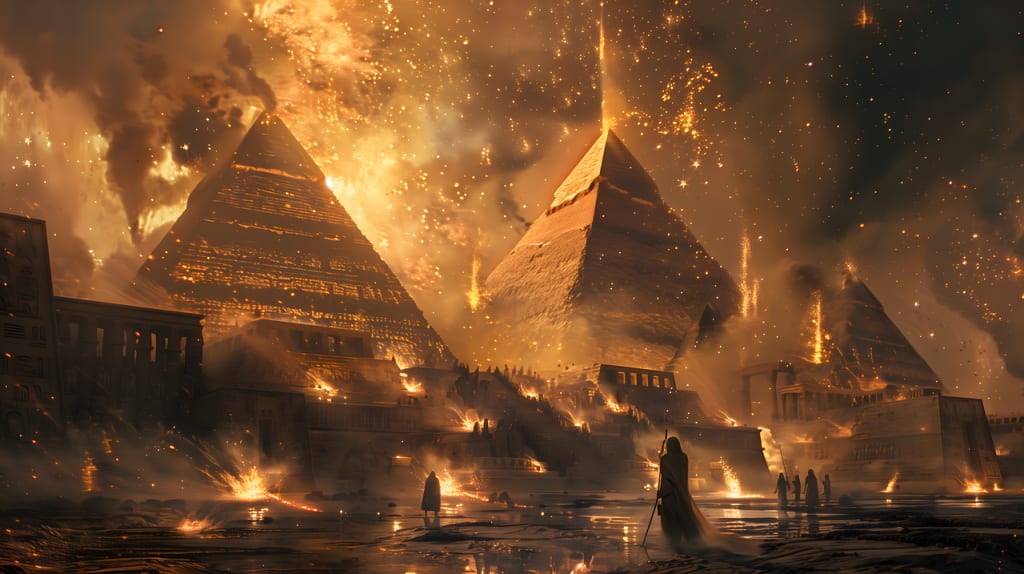
Architectural Marvels
The most famous of these structures, the Great Pyramid of Giza, was constructed for Pharaoh Khufu and is the largest of the three pyramids on the Giza plateau. Originally standing at 146.6 meters (481 feet), it was the tallest man-made structure in the world for nearly 4,000 years. The precision of its design is astonishing; the base is nearly perfectly square, with each side measuring about 230.4 meters (756 feet). This architectural mastery reflects advanced knowledge of geometry and engineering that many believe was beyond the capabilities of ancient civilizations.
Construction Techniques
How the pyramids were built remains one of history's enduring mysteries. Various theories suggest that tens of thousands of laborers, rather than slaves, worked on the pyramids, using a combination of sledges, ramps, and levers to transport and position massive limestone blocks. Recent discoveries, including a series of ancient graffiti left by workers, indicate that these laborers were organized and well-fed, dispelling myths of harsh conditions.
One theory posits that a straight or circular ramp was used to haul stones to higher levels. Others propose a system of internal ramps or a zig-zagging path around the pyramid's exterior. Despite the challenges of moving such enormous stones, the lack of evidence for advanced machinery indicates that simple tools and ingenuity were key to their construction.
Astronomical Alignment
Another captivating aspect of the pyramids is their alignment with astronomical phenomena. The Great Pyramid is aligned with incredible precision to the cardinal points—north, south, east, and west. Some researchers suggest that this alignment was intentional, designed to connect the pharaohs with the heavens. The three pyramids at Giza are believed to represent the three stars in Orion’s Belt, further emphasizing the connection between the cosmos and ancient Egyptian beliefs in the afterlife.
Hidden Chambers and Treasures
Modern technology, such as ground-penetrating radar and cosmic-ray imaging, has revealed potential hidden chambers within the Great Pyramid. These discoveries have reignited interest in the mysteries of the pyramids, suggesting that they may still hold untold treasures and secrets. In 2017, researchers announced the discovery of a large void within the pyramid, sparking speculation about its purpose—was it a hidden burial chamber, or perhaps an architectural feature?
Cultural Significance
The pyramids were not merely tombs; they were part of a larger religious and cultural framework. They represented the pharaoh’s journey to the afterlife and were designed to ensure their immortality. The elaborate burial rituals and the construction of these monumental tombs reflected the ancient Egyptians' beliefs about death and the afterlife.
The pyramids also served as symbols of power and unity, reinforcing the pharaoh's divine status. They were constructed during a time of relative stability in Egypt, demonstrating the society's ability to mobilize resources and labor for monumental projects.
The Modern Fascination
Today, the pyramids continue to draw millions of visitors each year, fascinated by their grandeur and the mysteries they embody. They serve as a testament to human ingenuity, resilience, and the enduring quest for knowledge. As technology advances, so too does our understanding of these ancient wonders, yet they remain shrouded in mystery, inviting new generations to explore their secrets.
In the end, the pyramids of Giza are more than just ancient structures; they are a link to a civilization that thrived thousands of years ago, holding stories that transcend time. As we continue to uncover their secrets, we are reminded of the profound impact of history on our present and future.
About the Creator
Mohid Joiya
I am Mohid, a passionate writer on Vocal, crafting engaging stories that invite readers into imaginative worlds. With a flair for relatable themes, I aim to captivate and inspire through my storytelling.
Keep reading
More stories from Mohid Joiya and writers in Fiction and other communities.
The Shadow Beneath
As she flipped through the pages, the faint scent of salt and something else—something metallic—filled the air. The journal detailed the life of a woman named Lydia, a lighthouse keeper who vanished decades ago. The last entry sent a chill down Claire’s spine: “The light has gone dark, and with it, so has my sanity. The shadows beneath the waves are calling.”
By Mohid Joiyaabout a year ago in Fiction
Miss Persephone's Manual to a Seemingly Ordinary Life
Miss Persephone was found at the dining table, her blue eyes swollen, her tears arriving and retreating like the tides of the ocean. Earlier that day, her family had visited her in the retirement home where she had lived for eight years. It was her eightieth birthday.
By Imola Tóth2 days ago in Fiction
Center Stage with Paul Stewart
*** I'm keen to republish the interviews I did for my series with Vocal creators. It's been a few years and I thought it might be nice to revisit these wonderful conversations. I'll be releasing them one at a time for a few weeks/months.
By Heather Hubler2 days ago in Interview



Comments (1)
Mohid’s article, "The Art of Imagination," is a beautifully crafted exploration of creativity and its profound influence on our lives. Through a series of vivid anecdotes and thoughtful reflections, Mohid highlights how imagination not only shapes our personal realities but also enhances our understanding of memory and experience. The writing is both engaging and introspective, effortlessly drawing readers into a world where creativity reigns. Mohid's insightful observations challenge us to consider how our imaginative faculties can transform our perspectives and inspire change. The article balances deep philosophical musings with relatable stories, making it accessible to a wide audience. Overall, "The Art of Imagination" is a compelling read that encourages us to embrace our creative instincts and view the world through a more imaginative lens. Highly recommended for anyone looking to reignite their passion for creativity!