
The Science of Love: How Brain Chemicals Control Who We Love and Why
The Chemistry of Attraction (Dopamine Dominance)
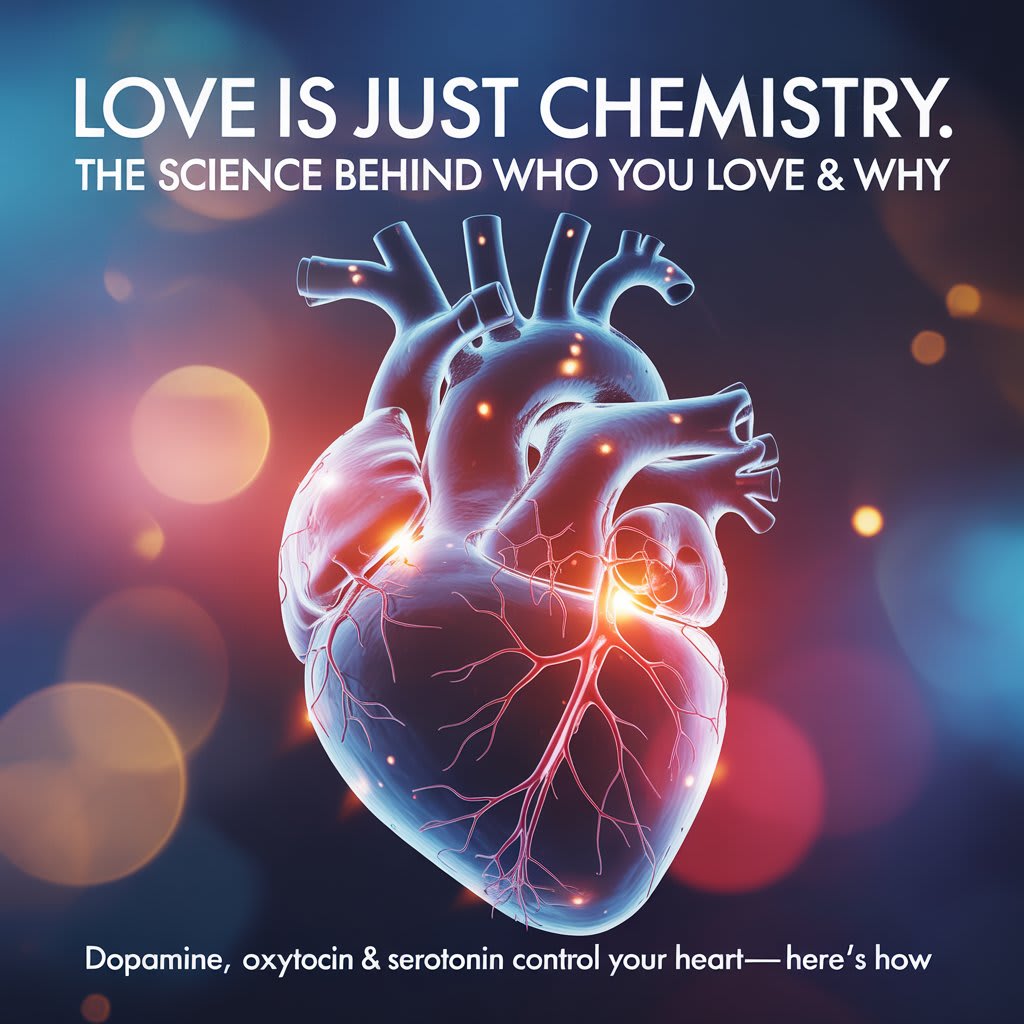
Love has inspired poets, artists, and musicians for centuries - but what if this powerful emotion is really just chemistry? Modern neuroscience reveals that love isn't some magical force, but rather a carefully orchestrated series of chemical reactions in our brains. Understanding these processes doesn't make love any less special - in fact, it makes the experience even more fascinating.
Stage 1: The Chemistry of Attraction (Dopamine Dominance)
When you first meet someone special, your brain kicks into high gear. The neurotransmitter dopamine floods your system, creating those euphoric "butterfly" feelings. This is the same chemical released when you win money or eat delicious food - essentially, your brain rewarding you for finding a potential mate.
Studies using fMRI scans show that newly in love individuals have dopamine activity patterns remarkably similar to people high on cocaine. This explains why new love feels so intoxicating and why we can become obsessed with our new partner. We're literally addicted to the feeling they give us.
Key facts about dopamine in love:
• Creates intense focus on the beloved (ever find yourself constantly checking your phone for their texts?)
• Suppresses appetite and reduces need for sleep (who needs food when you're in love?)
• Explains why breakups feel physically painful - you're experiencing actual withdrawal
Stage 2: The Bonding Phase (Oxytocin Takes Over)
As a relationship progresses past the initial infatuation, another powerful chemical comes into play: oxytocin. Often called the "cuddle hormone," oxytocin promotes:
• Emotional bonding
• Trust and attachment
• Physical closeness
This chemical is released during:
• Sexual intimacy
• Hugging and kissing
• Deep conversations
• Even just making eye contact
Research on prairie voles (one of the few monogamous mammal species) shows that oxytocin plays a crucial role in forming long-term pair bonds. When scientists blocked oxytocin receptors in these animals, they stopped forming attachments to their mates.
Stage 3: The Long-Term Connection (Serotonin and Vasopressin)
For love to last beyond the initial passionate phase, other chemicals come into play. Serotonin levels gradually normalize, reducing the obsessive thoughts. Meanwhile, vasopressin (a hormone similar to oxytocin) promotes:
• Monogamous behavior
• Protective instincts
• Long-term commitment
Interestingly, men typically show higher vasopressin activity in relationships, which may explain why they often exhibit more protective behaviors toward their partners.
Why the Magic Fades (And How to Get It Back)
Most couples experience a natural decline in those intense early feelings after 12-18 months. This isn't because the love is gone - it's because your brain can't sustain that initial chemical high forever. However, you can reignite those sparks by:
1. Creating Novel Experiences Together
Novelty triggers dopamine release. Trying new activities together - whether it's traveling, taking a class, or even just exploring a new part of town - can recreate some of that early excitement.
2. Maintaining Physical Connection
Regular physical affection (not just sex, but hugging, holding hands, massage) keeps oxytocin flowing. Studies show couples who maintain this connection report higher relationship satisfaction.
3. Practicing Gratitude
consciously appreciating your partner activates reward centers in the brain. Try sharing three things you appreciate about each other every day.
Love as Both Chemistry and Choice
While these chemical processes explain the biological basis of love, they don't diminish its power or meaning. In fact, understanding this science can help us:
• Recognize why we feel certain ways in relationships
• Make more informed choices about partners
• Work to maintain healthy, lasting connections
The most successful relationships combine this biological foundation with conscious effort - the chemistry gets you started, but the daily choices keep you going.
Final Thought
Next time you feel your heart race when you see your partner, remember - it's not just poetry in motion, it's an incredibly sophisticated chemical ballet happening in your brain. And that might be the most romantic fact of all.
About the Creator
Pandora’s Burden
“My brother warned me to not accept gifts from the one who commissioned you,” said Epimetheus to the woman clad in silvery raiments standing at the entrance to the temple. Her silver tiara and the silver rings on her fingers and toes glinted in the firelight cast by torches set on either side of the doorway. Lingering in the shadows, beyond the reach of the flames as she was, he could not tell what she held in her hands. At first what appeared to be a box was perhaps a funerary urn, or maybe merely an apple.
By J. Otis Haas3 days ago in Fiction
A Transparent Look at Vocal Challenges and Top Stories
Almost three years ago, we shared a resource article that served as a place for people to suggest new challenge prompts. We thought it would be a good idea to refresh that thread, and take the opportunity to answer a few common questions about top stories, how challenges are judged and how submissions are reviewed.
By Vocal Curation Team4 days ago in Resources




Comments
There are no comments for this story
Be the first to respond and start the conversation.