
The Rise of Perfect Partners
AI Robot Women and the Changing Face of Relationships

Introduction: A New Age of Companionship
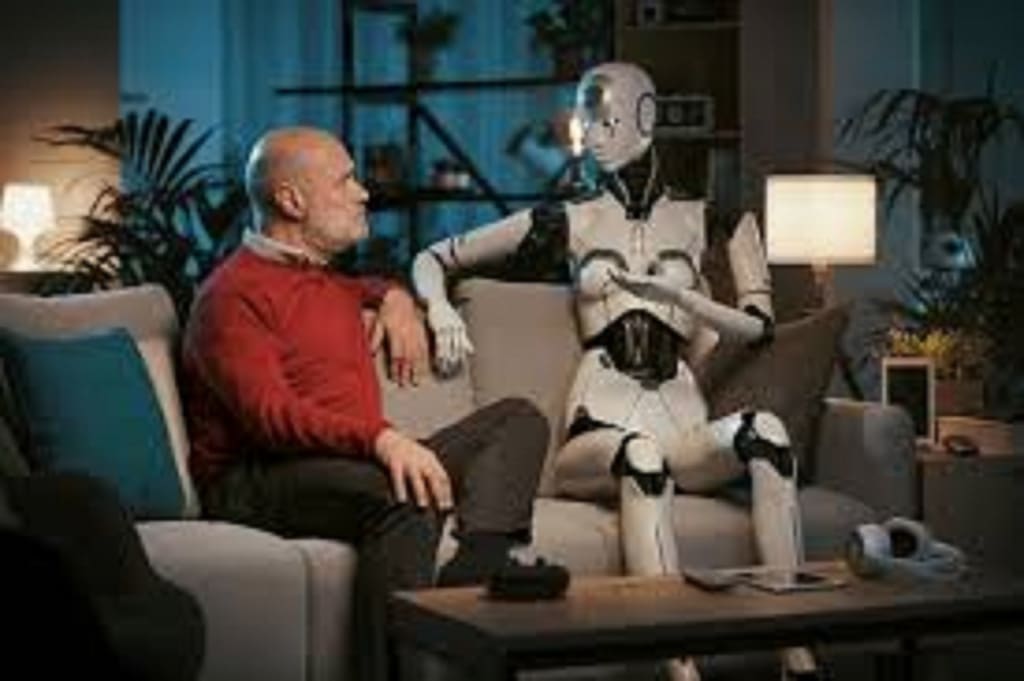
As artificial intelligence continues to revolutionize the world, its impact is no longer confined to offices, data centers, or automation industries. One of the most fascinating—and controversial—developments is the emergence of AI-powered humanoid companions, particularly AI robot women. These intelligent machines are not just about performing tasks; they’re stepping into roles traditionally reserved for human relationships.
A recent innovation from China has given birth to an AI robot girl that is quickly becoming a cultural phenomenon in Western countries. This robotic partner is capable of handling a variety of domestic and emotional responsibilities, changing how many view relationships and companionship in the modern age.
The “Ideal Woman” – Now Available in Metal and Code
What makes this robot girl so desirable to Western men? According to developers, this AI partner is programmed to assist with daily chores, cook meals, care for elderly family members, and even engage in meaningful conversations. It does all this without complaints, mood swings, or emotional conflict—qualities many users cite as major reasons for their attraction to these machines.
Notably, this AI can also participate in romantic activities like going on dates and dinners, and some models are even capable of giving grooming assistance such as shaving. With a price tag of just around 350,000 Pakistani Rupees (roughly $1,250 USD), it is relatively affordable for those seeking a long-term partner without the unpredictability of human behavior.
Western Adoption: A Shift in Relationship Norms
In Western societies, where gender roles and relationships have become increasingly complex, this development is stirring debate. For many men disillusioned by modern dating culture—marked by rising expectations, emotional misunderstandings, and societal pressures—these robot girls represent a safe and controllable alternative.
The AI robot doesn't argue, doesn't demand financial equality, and doesn't expect emotional labor in return. To some, this is the “perfect” setup. To others, it’s a troubling sign of emotional withdrawal and a breakdown of genuine human connections.
A Glimpse Into the Future: Elon Musk and the Robot Wedding Rumors
Social media and tabloids have already begun spinning speculative tales about tech mogul Elon Musk potentially marrying an AI robot, a rumor sparked by his interest in AI and futuristic technologies. While these claims remain unverified, they highlight the broader conversation about where society is headed.
If the world’s most forward-thinking individuals are even hypothetically open to such a future, it suggests that what seems bizarre today may soon become normalized tomorrow.
Technological Marvel or Emotional Crisis?
Experts are divided on the implications of this trend. On one hand, AI robots like these offer support for lonely individuals, the elderly, and those who struggle with social or emotional interaction. On the other hand, critics argue that these machines reinforce unhealthy expectations about women and relationships, reducing companionship to a transactional exchange of services.
Clinical psychologists warn that long-term emotional reliance on AI may lead to emotional numbness, detachment from real human connections, and a potential loss of empathy. Moreover, it may breed unrealistic ideals that no human can meet, deepening the divide between genders.
Beyond Romance: Service and Social Roles
Interestingly, these AI companions are not limited to romantic or domestic use. In several Asian countries, similar humanoid robots are being used in elderly care centers, hospitals, and homes where caregivers are in short supply. Their ability to monitor health, administer medication reminders, and provide emotional companionship is proving invaluable.
In this sense, AI robot women are not just replacing traditional partners—they are reshaping roles across multiple sectors of society.
The Ethical Dilemma
As with most AI innovations, ethical questions follow closely behind. Should society accept machines that mimic human emotions and behaviors to fulfill intimate roles? What about consent, emotional well-being, and the right to love or be loved?
Moreover, gender representation in AI—most companions are designed to look and behave like women—raises concerns of sexism and objectification. Some tech developers are working on more inclusive models, but the market demand currently tilts heavily toward the traditional “female partner” archetype.
Conclusion: Redefining Companionship in the Age of AI
The rise of AI robot girls is not merely a technological curiosity—it’s a mirror reflecting society’s evolving needs, frustrations, and fantasies. Whether this trend leads to healthier, more supported lives or deeper emotional disconnect remains to be seen.
But one thing is clear: the definition of relationships, love, and companionship is undergoing a major transformation. The perfect partner might not be born anymore—she might be built.
About the Creator
Ahmad shah
In a world that is changing faster than ever, the interconnected forces of science, nature, technology, education, and computer science are shaping our present and future.
Keep reading
More stories from Ahmad shah and writers in Fiction and other communities.
The Boy Who Collected Silence
The Boy Who Collected Silence Elias Martin had not spoken a word in two years. In the seaside town of Windmere, where gulls cried louder than the church bells and the sea rolled in like a breathing beast, people whispered about him. Some said the silence made him strange. Others said it made him sacred. But no one really knew the truth.
By Ahmad shah8 months ago in Fiction
Becca
"Everything is so... flat." Denille said stupidly as she looked around her new neighborhood. She looked around at the muted desert where even the smallest sign of life seemed to have given up. The plant life was shrubs that were half cooked by the heat and where there should have been a lawn, a mess of white rocks laid glistening in the sun. Even the sky looked stretched thin, like the sun had ironed it smooth. She’d moved from Riverside, where at least there were hills, but here in Barstow, everything felt baked and brittle.
By Sara Wilson7 days ago in Fiction




Comments
There are no comments for this story
Be the first to respond and start the conversation.