
The Rise and Impact of Serialized Novels
How Episodic Storytelling Captured the Hearts of Readers and Transformed the Publishing Industry

Introduction
The concept of serialized novels is as intriguing as it is enduring, tracing its roots back to the 19th century when authors such as Charles Dickens and Leo Tolstoy first experimented with episodic storytelling. This article explores the evolution of serialized novels from their inception to their resurgence in the digital age, examining how this format has captivated audiences and influenced both the literary world and the publishing industry.
The Birth of Serialized Fiction
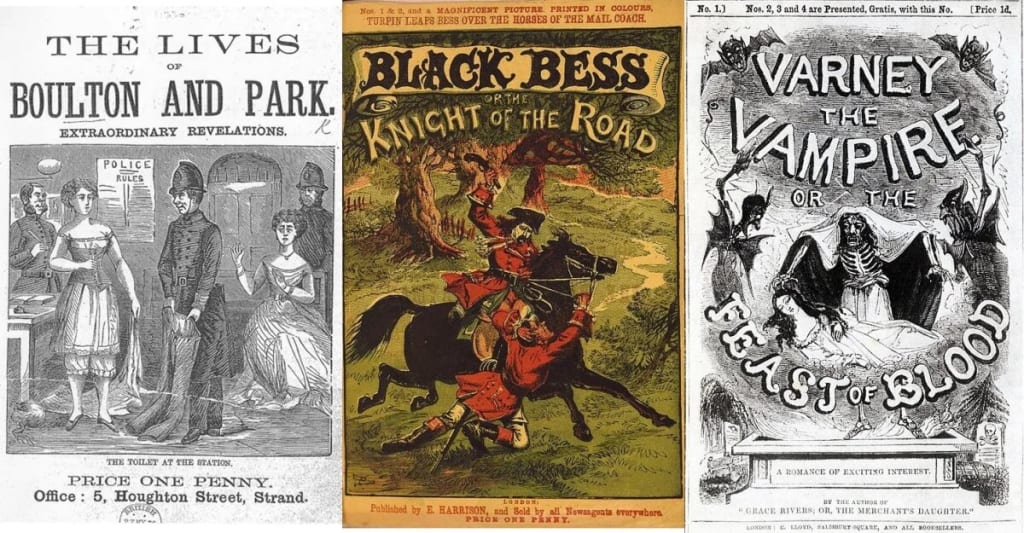
Serialized novels began as a means to make literature more accessible and affordable. In the 1830s, during the Victorian era, the cost of printing books was prohibitively high for most people. Publishers began releasing novels in segments, often in newspapers or magazines, which were cheaper and reached a wider audience. This method not only boosted circulation for publishers but also created a steady income for writers, who could gauge the reaction of their audience and adjust the story accordingly.
The Golden Age of Serialization
During the 19th century, serialization became immensely popular. Iconic works such as Dickens' The Pickwick Papers and Tolstoy’s Anna Karenina were first introduced to the public in installments. This format kept readers engaged over longer periods, leading to heightened anticipation and communal reading experiences rarely seen in literature. Serialized novels also allowed authors to explore complex plots and develop characters deeply, knowing they had the readers' sustained attention over a period of months or even years.
Impact on Literary Techniques
Serialization influenced writing styles and literary techniques significantly. Authors often ended each installment with a cliffhanger, ensuring that readers would return for the next part. This narrative technique not only shaped the structure of novels but also emphasized character development and intricate plotting, as writers had to maintain reader interest across numerous episodes.
Decline and Resurgence
By the mid-20th century, the popularity of serialized novels had waned due to the rise of radio, television, and cheaper books. However, the advent of the internet and digital publishing has sparked a significant resurgence. Modern technology has made serialized content more accessible, allowing contemporary authors and publishers to experiment with digital platforms such as Kindle Serials, Wattpad, and other online forums where serialized content can thrive.
Digital Age Serialization
Today's digital platforms offer writers the ability to publish their work in real-time and interact with their audience instantly. This immediate feedback loop has reintroduced the communal aspect of serialization, now enjoyed by a global audience. Additionally, the episodic format fits neatly into the busy lifestyles of modern readers, who may prefer consuming content in shorter, more digestible segments.
The Impact on Publishing
Serialization has also impacted the publishing industry by providing a viable economic model in the digital age where traditional book sales are often unpredictable. It allows publishers to test a novel's marketability before committing to a full publication, reducing financial risks. Furthermore, serialization can build a loyal readership and generate buzz around an author or series, effectively aiding in the marketing of new titles.

Conclusion
The rise of serialized novels marks a fascinating evolution in storytelling, reflecting shifts in technology, society, and reader preferences. As we advance further into the digital age, the legacy of serialized novels continues to influence new generations of writers and readers, proving that this traditional form of storytelling is still as relevant as ever in capturing the imaginations of a global audience.
About the Creator
Hannah miller
I’m an author dedicated to weaving engaging narratives across a variety of genres to resonate with readers.
Keep reading
More stories from Hannah miller and writers in Fiction and other communities.
Can Editing Make or Break Your Book's Reviews?
In the world of publishing, the significance of a well-edited book cannot be overstated. While many factors contribute to a book’s success—such as its content, marketing strategy, and cover design—editing is a crucial element that often determines the book's reception and reviews. This article delves into how editing can make or break your book’s reviews, ultimately influencing its success.
By Hannah millerabout a year ago in BookClub
Miss Persephone's Manual to a Seemingly Ordinary Life
Miss Persephone was found at the dining table, her blue eyes swollen, her tears arriving and retreating like the tides of the ocean. Earlier that day, her family had visited her in the retirement home where she had lived for eight years. It was her eightieth birthday.
By Imola Tóth3 days ago in Fiction




Comments
There are no comments for this story
Be the first to respond and start the conversation.