
The Proud Soldier
Guarding the Nation with Valor and Pride

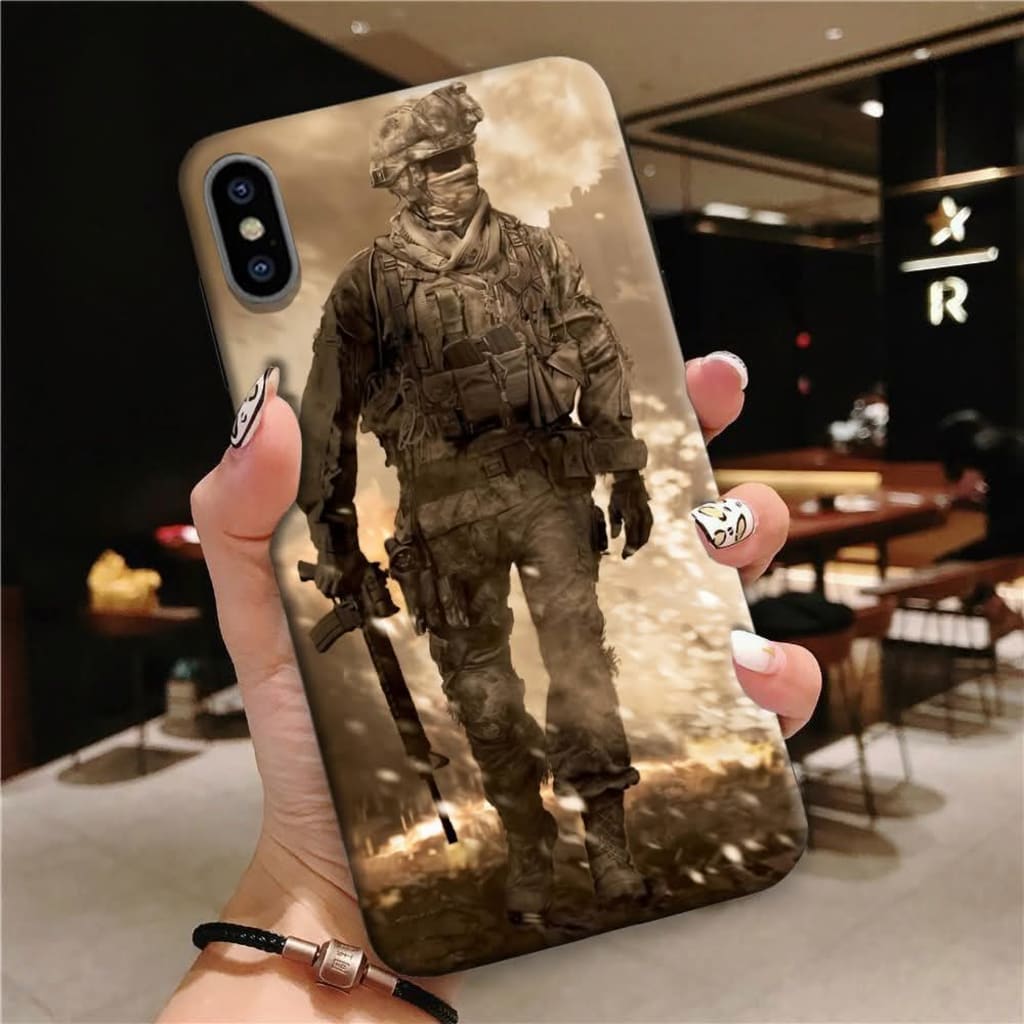
The early morning sun rose over the dusty plains, casting long shadows across the training ground. Captain Aarav Mehta stood tall, his uniform crisp, his boots polished, and his eyes scanning the horizon with unwavering focus. He wasn’t born a soldier, but every fiber of his being had been molded into one through years of discipline, sacrifice, and relentless dedication. He was not just a man in uniform—he was the embodiment of service, courage, and pride.
Aarav grew up in a small village nestled between hills and rivers, where patriotism was often sung in folk songs and painted on school walls. As a child, he would watch Republic Day parades with awe, his heart swelling with pride each time the soldiers marched past the saluting base on television. His father, a retired schoolteacher, had instilled in him the values of honor and duty. “Protecting the country is the noblest calling,” he would say, a statement that echoed in Aarav’s mind throughout his youth.
When he turned eighteen, Aarav applied to the National Defense Academy. Many in his village tried to dissuade him, warning him about the dangers of the path he was choosing. But his mind was made up. He knew that the freedom people enjoyed in their homes came at a price—one paid by men and women willing to face bullets, storms, and sleepless nights. He wanted to be one of them.
Military training was grueling. The physical challenges tested the limits of his body, while the mental discipline demanded absolute focus and resilience. There were times he questioned his strength, but never his purpose. Through sweat and strain, Aarav rose through the ranks, not because of ambition, but because of his unshakable commitment to the mission.
Years later, now a captain, he led a unit posted along a tense border region. The terrain was harsh, the climate unforgiving, and the threat of infiltration ever-present. Yet, he never let his guard down. Each day brought new challenges—patrolling dangerous ridges, monitoring movements across the line, and maintaining the morale of his men. Aarav believed that leadership wasn’t about authority; it was about standing shoulder-to-shoulder with his team, sharing their burdens, and inspiring them through action.
One winter night, a blizzard swept through their post, reducing visibility and cutting off communication with headquarters. Amid the chaos, word came of suspicious activity near one of the check posts. Without hesitation, Aarav gathered a small team and set out into the freezing darkness. The snow stung their faces like needles, and the wind howled like a warning. But Aarav pressed forward.
Hours later, after trekking through knee-deep snow and navigating treacherous cliffs, they spotted movement near a ridge. It was an attempted infiltration. With quick thinking and precise coordination, Aarav’s unit intercepted the threat, neutralizing the intruders and securing the area. No soldier was lost that night—a rare outcome in such a volatile situation. When they returned to base at dawn, exhausted but victorious, Aarav didn’t seek praise. Instead, he checked on his men, ensured everyone was fed and warm, and wrote his report with a calm resolve. To him, it was just another duty fulfilled.
News of the operation reached higher command, and Aarav was recommended for a gallantry award. When interviewed by a military journalist, he simply said, “I’m just doing my job. This uniform isn’t about medals; it’s about responsibility.”
Despite the dangers, Aarav never let his commitment waver. He missed family festivals, birthdays, and anniversaries. He hadn’t seen his mother in over a year, but she never complained. She knew that her son wasn’t just hers—he belonged to the nation. And she was proud.
What made Aarav truly exceptional wasn’t just his bravery, but his humility. He mentored young recruits, taught children in nearby villages about the Constitution, and even helped rebuild a school destroyed by floods in a remote region. To the people, he was not just a soldier—he was a symbol of hope and resilience.
On a quiet evening, after returning from a long patrol, Aarav stood near the edge of the post, looking out across the land he had sworn to protect. The sky was painted in hues of gold and crimson. He breathed deeply, feeling the chill in the air and the weight of his rifle. He thought of the oath he took, the men he led, and the flag that flew above the camp.
In that moment, he felt no fear, no fatigue—only pride. Pride in wearing the uniform. Pride in guarding his nation. And pride in knowing that while many slept peacefully under a blanket of freedom, it was because soldiers like him stood watch, ready to give everything.
Aarav Mehta was more than just a soldier. He was the proud soldier—guarding the nation with valor and pride.
About the Creator
Miss Persephone's Manual to a Seemingly Ordinary Life
Miss Persephone was found at the dining table, her blue eyes swollen, her tears arriving and retreating like the tides of the ocean. Earlier that day, her family had visited her in the retirement home where she had lived for eight years. It was her eightieth birthday.
By Imola Tóth5 days ago in Fiction




Comments
There are no comments for this story
Be the first to respond and start the conversation.