
The Mushrooming Mystery
How Fungal Infections Echo Alzheimer's Disease in the Brain


Introduction
In recent years, a growing body of research has shed light on a fascinating and perplexing connection between fungal infections and Alzheimer's disease. Alzheimer's disease, a progressive neurodegenerative disorder, is the leading cause of dementia worldwide, affecting millions of individuals and their families. Meanwhile, fungal infections, often considered minor health concerns, have emerged as potential contributors to Alzheimer's pathology. This surprising correlation between two seemingly unrelated conditions has given rise to a mushrooming mystery in the field of neuroscience and microbiology.
This article delves into the intricate relationship between fungal infections and Alzheimer's disease, examining the evidence, mechanisms, and potential implications of this connection. It explores the ways in which fungal infections can echo Alzheimer's disease in the brain, with a focus on the complex interplay between the immune system, the microbiome, and neurological health.
Fungal Infections and Alzheimer's Disease: Unveiling the Connection
1. The Alzheimer's Enigma
Before diving into the fungal link, it's essential to understand the complexity of Alzheimer's disease. Alzheimer's is characterized by the accumulation of abnormal proteins in the brain, primarily beta-amyloid plaques and tau tangles, which disrupt neuronal function and lead to cognitive decline. Historically, these protein abnormalities were thought to be the central players in Alzheimer's pathology.
However, research over the past few decades has revealed that Alzheimer's is a multifaceted disease influenced by various genetic, environmental, and lifestyle factors. In addition to the hallmark protein aggregates, inflammation, oxidative stress, and immune system dysfunction are recognized contributors to the disease. It is within this context that fungal infections enter the stage as potential contributors to Alzheimer's complexity.
2. The Fungal Frontier
Fungi are an incredibly diverse group of microorganisms, encompassing yeasts, molds, and mushrooms. While they often go unnoticed in our daily lives, they can have profound impacts on our health when their balance is disrupted. Some fungal species are pathogenic, capable of causing infections in humans, particularly in individuals with weakened immune systems.
Recent research has unveiled a surprising connection between these pathogenic fungi and Alzheimer's disease. Studies have shown that fungal infections, particularly in the gut and respiratory system, may be linked to cognitive decline and the progression of Alzheimer's disease. The question arises: How do these seemingly distant fungi reach the brain, and what role do they play in Alzheimer's pathogenesis?
3. The Gut-Brain Axis: A Possible Gateway
To comprehend the connection between fungal infections and Alzheimer's disease, one must consider the gut-brain axis. This bidirectional communication system links the gastrointestinal tract to the central nervous system. It plays a vital role in regulating various bodily functions, including the immune response, metabolism, and cognitive processes.
Fungi residing in the gut, primarily the Candida species, can become pathogenic under specific conditions, leading to gut dysbiosis and fungal overgrowth. This can result from factors such as a high-sugar diet, antibiotic use, or a compromised immune system. Fungi can produce toxins and promote inflammation, which can affect the gut-brain axis. Moreover, fungal overgrowth can alter the composition of the gut microbiome, potentially impacting the brain's health.
4. Fungal Infections and Immune Activation
When fungi escape the gut, whether through a compromised gut lining or other mechanisms, they may enter the bloodstream and subsequently infiltrate the brain. The presence of fungal components, such as cell wall components and toxins, can activate the immune system, leading to a cascade of inflammatory responses.
This immune activation, while aimed at protecting the body from infection, can have unintended consequences in the brain. Chronic inflammation has been linked to the development and progression of Alzheimer's disease, as it can exacerbate the accumulation of beta-amyloid plaques and tau tangles, two of the hallmarks of the disease. This connection between fungal infections and Alzheimer's becomes particularly intriguing when considering that inflammation and immune system dysfunction are increasingly recognized as pivotal factors in Alzheimer's pathogenesis.
5. The Mycobiome and Alzheimer's
The human microbiome is a complex ecosystem of microorganisms living in and on the body. While much attention has been given to the bacterial component, the mycobiome, which consists of fungi, remains relatively understudied. However, research suggests that the mycobiome plays a crucial role in human health, including its potential involvement in Alzheimer's disease.
Recent studies have shown differences in the mycobiome composition of Alzheimer's patients compared to healthy individuals. These differences include a higher abundance of pathogenic fungi in Alzheimer's patients, further supporting the fungal-Alzheimer's connection. It is suggested that fungal dysbiosis in the mycobiome may contribute to inflammation and immune dysfunction, ultimately promoting the progression of Alzheimer's disease.
6. Fungi and Neurodegeneration
As fungi make their way into the brain, they can induce neuroinflammation and disrupt the normal functioning of neurons. Research has shown that fungal infections in the brain can lead to the production of neurotoxic molecules, such as reactive oxygen species and cytokines, which can contribute to neurodegeneration.
Furthermore, fungi can directly interact with the brain's resident immune cells, known as microglia. These interactions can further fuel the inflammatory response and exacerbate neurodegenerative processes. The combination of neuroinflammation and the presence of fungal components in the brain creates a hostile environment that may accelerate the progression of Alzheimer's disease.
7. Fungal Infections as Alzheimer's Risk Factors
Several studies have pointed to a potential role of fungal infections as risk factors for Alzheimer's disease. For instance, individuals with chronic sinusitis, which can be caused by fungal infections, have been shown to have a higher risk of developing Alzheimer's. Additionally, those with a history of fungal infections elsewhere in the body, such as the skin or nails, may also be at an increased risk.
These findings suggest that fungal infections may not only contribute to Alzheimer's pathology but also act as early indicators or predisposing factors for the disease. Understanding these risk factors is essential for both prevention and early diagnosis.
8. The Therapeutic Implications
The growing body of evidence connecting fungal infections and Alzheimer's disease has significant therapeutic implications. While it's important to note that the field is still in its infancy, researchers are exploring potential strategies to target the fungal component of Alzheimer's pathology.
One approach involves antifungal medications to combat fungal infections and overgrowth in the gut and other sites. This may help reduce the inflammation and immune activation associated with Alzheimer's disease. Additionally, research is ongoing to develop probiotics and dietary interventions that can restore a healthy balance of gut microorganisms, including fungi.
Furthermore, understanding the role of mycobiome in Alzheimer's disease could pave the way for more targeted therapies. Manipulating the mycobiome to reduce pathogenic fungi and promote a healthier fungal community may offer a novel approach to managing Alzheimer's.
Conclusion
The mushrooming mystery of the connection between fungal infections and Alzheimer's disease continues to captivate the scientific community. While much remains to be explored, the evidence suggests that fungal infections can echo Alzheimer's disease in the brain through the complex interplay of the gut-brain axis, immune activation, mycobiome dysbiosis, and neuroinflammation.
The implications of this discovery are profound. Understanding the role of fungal infections in Alzheimer's disease could open new avenues for prevention and treatment. By targeting fungal overgrowth and dyes
About the Creator
Keep reading
More stories from Julius Mumbinu Mannah and writers in Fiction and other communities.
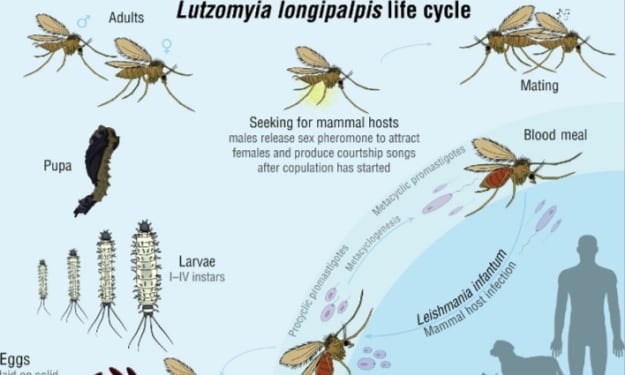
"A tropical parasite, passed through the bite of a sand fly, is causing skin infections in the US" - A tropical parasite, passed through the bite of a sand fly, is causing skin infections in the US
In the heart of the United States, where tropical diseases seemed nothing more than a distant nightmare, an unexpected and sinister menace was spreading its wings. It all began in the small, unassuming town of Pineville, nestled in the bosom of the Ozark Mountains. As summer days stretched long and hot, the unrelenting heat beckoned families to the riverside for relief. Yet, what they could never have anticipated was the uninvited guest that would soon creep into their lives – a tropical parasite, passed through the bite of a sandfly, causing skin infections that would challenge the very essence of their existence.
By Julius Mumbinu Mannah2 years ago in Fiction
There's A Hole in My Bucket
It’s a well-known fact that Liza Dufresne was always the brains in the family. She was the one who always came up with the brilliant schemes the Dufresne kids carried out when they were younger. Like when they tricked Mrs. Claybourn into paying for a trip to Disney World. Liza convinced her that their parents had been kidnapped and were being held for ransom for the total price of three tickets. In reality, they were away on a weekend getaway for their anniversary. When they returned, Liza told the Claybourns that they did not like to talk about the ordeal. Their parents never found out how they got the money. Mrs. Claybourn never found out that the Dufresne parents were never really in any danger.
By David E. Perry3 days ago in Fiction



Comments
There are no comments for this story
Be the first to respond and start the conversation.