
The Monarchy Is So Important Isn’t It?
by Marwa Jawad

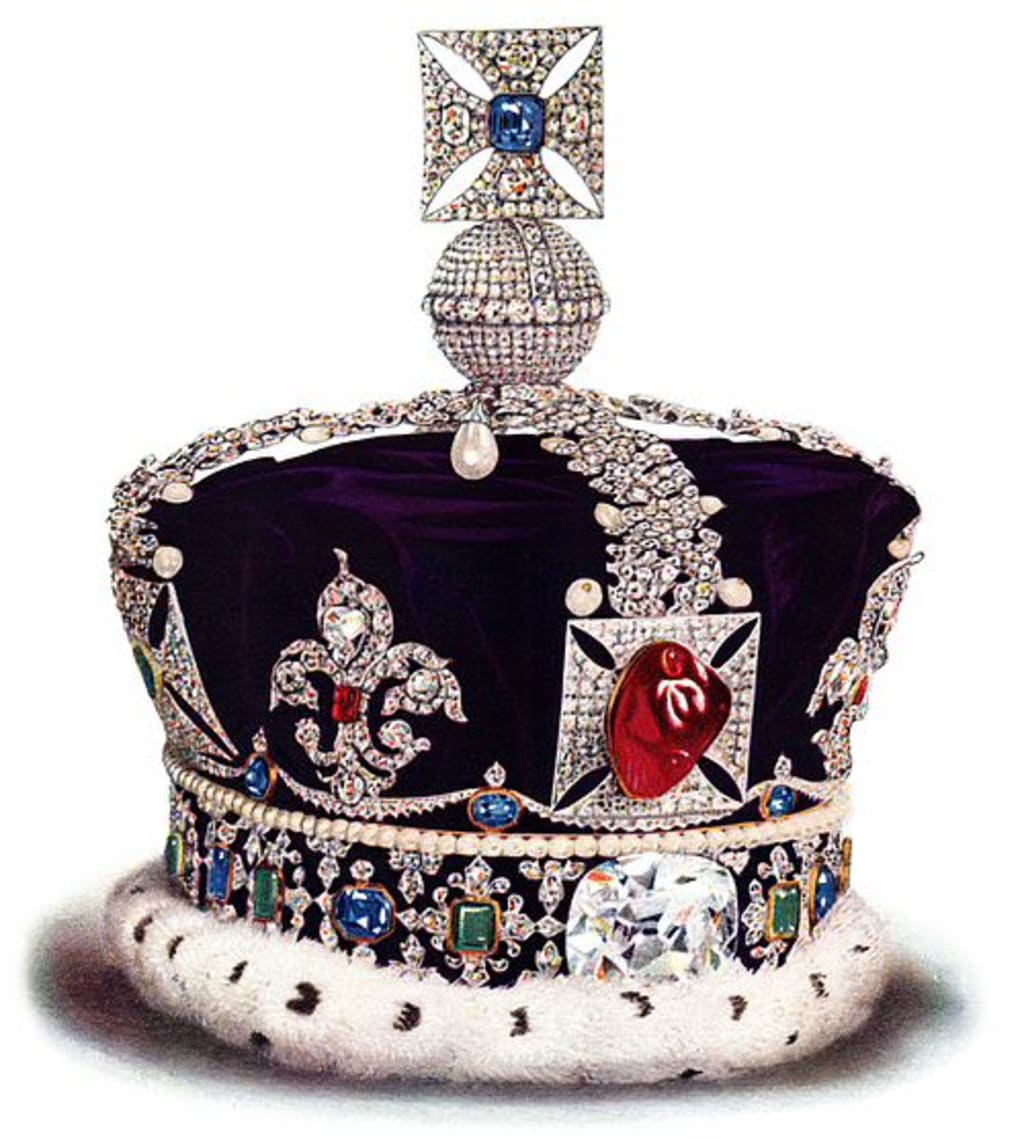
The British monarchy, with its rich history spanning over a millennium, stands as a vital symbol of continuity and tradition in the United Kingdom. From the iconic coronation of Queen Elizabeth II to the current reign of King Charles III, the monarchy continues to serve as an anchor in a rapidly changing world. But seriously, who doesn’t love a good royal story? As one of the oldest institutions globally, it has played a significant role in shaping the nation’s identity, values, and cultural heritage. Whether through royal weddings, jubilees, or the ongoing public fascination with the personal lives of the royal family, the monarchy remains a constant presence in the UK’s cultural landscape. But does anyone really think we can’t live without it?
The monarchy serves as a reminder of the country's historical roots—just what we need in this modern age of information overload! It connects the British people to their past in ways that few other institutions can. Every royal event is infused with centuries of history and tradition, whether it’s the State Opening of Parliament, Trooping the Colour, or the pomp and circumstance of a royal wedding. The monarchy is a living testament to the UK’s long and storied past. But let’s face it, history is all well and good, but does it matter in a world dominated by technology, instant gratification, and social media?
In recent years, however, the monarchy has faced increasing scrutiny and challenges, prompting discussions about its relevance in today’s society. Critics argue that the institution is out of touch with contemporary values. Really? Who would have thought that a family living in palaces, attending state dinners, and enjoying extraordinary privileges would be disconnected from the average person? This criticism is not new, of course. The monarchy has faced its fair share of controversies and public debate over the years, but in today’s climate, the pressure has only increased. With wealth inequality becoming an ever-growing issue, questions about the monarchy’s role and the financial burden it places on taxpayers have gained prominence.
The royal family’s engagement with social issues, such as mental health and environmental concerns, demonstrates a willingness to evolve—though one might wonder, is that really enough to win over the masses? For example, Prince Harry and Meghan Markle's advocacy on mental health, along with the work of Prince William and Kate Middleton in promoting well-being and conservation, show that the royal family is attempting to engage with the pressing issues of today. But can royal gestures truly bridge the gap between the privileged and the people they represent? It’s a tough sell, especially when the family’s wealth and lifestyle remain so far removed from the lives of ordinary citizens.
To remain relevant, the monarchy must further embrace modernization while respecting its traditions. This balancing act is no easy feat, especially when an institution as steeped in tradition as the British monarchy faces calls for transparency and accountability. Enhanced accessibility is essential. Because, honestly, who doesn’t want to know what the Queen eats for breakfast? Or what the royals do in their spare time? With the rise of social media and digital platforms, younger generations expect instant access to information, and the monarchy must learn how to adapt to this new reality.
Utilizing digital platforms to engage with younger generations seems essential, right? After all, can you imagine a world where the monarchy isn’t posting on Instagram or tweeting about charity events? The rise of platforms like Instagram, Twitter, and YouTube offers the royal family an unprecedented opportunity to reach a broader, younger audience and humanize themselves in the process. Gone are the days when royal duties were only discussed in glossy magazines or the evening news. Today, you can see Prince William and Kate Middleton interacting with children or attending community events through real-time social media posts. But there’s always the question—will these online gestures translate into a deeper connection with the public, or are they just superficial attempts to stay relevant?
Addressing public concerns about privilege and inequality—what a novel idea! The royal family’s association with immense wealth and privilege has often led to criticism, especially during times of austerity or economic hardship. The debate over whether the monarchy should continue to receive public funding is an ongoing issue. Yet, despite the high-profile scandals and criticisms, many still support the monarchy because of its symbolic value. But will anyone actually take it seriously when the royal family speaks about issues like wealth disparity and class inequality, considering their own lavish lifestyles? It’s a dilemma that the monarchy continues to grapple with, and it’s unlikely to go away anytime soon.
Additionally, the monarchy can play a pivotal role in promoting unity and national pride. By championing charitable causes, supporting community initiatives, and participating in public discussions, royal family members can reinforce their commitment to serving the nation. The Queen’s role as Head of State and her unwavering commitment to duty has always been central to her public image. It’s hard to imagine the monarchy without her tireless dedication to public service. But in today’s world, where many view royalty as outdated or even elitist, it is essential for the royal family to become involved in more than just ceremonial duties. Isn’t that what we all need? More royal charity events? This proactive involvement will not only strengthen the monarchy’s bond with the public but also demonstrate its relevance in addressing contemporary issues.
Charity work has long been a cornerstone of the royal family’s public duties. Prince Charles has long been an advocate for environmental conservation through his Prince’s Trust, and his sons have continued this legacy through initiatives related to mental health, climate change, and social issues. These charitable efforts can be seen as a reflection of the monarchy’s desire to stay engaged with the modern world, even as they maintain their traditional roles. Because nothing says “we care” like a royal waving from a fancy car!
In conclusion, while the British monarchy holds immense historical significance, its future depends on its ability to adapt to modern realities. Will it ever really change, though? There are certainly those who argue that the monarchy should be reformed or even abolished altogether. But whether you love or loathe the royal family, one thing is clear: they are unlikely to disappear from the public consciousness anytime soon. By embracing change and fostering meaningful connections with the public, the monarchy can ensure its enduring importance in a rapidly evolving world. But, as with all institutions, the monarchy will have to prove its worth to future generations. Ultimately, this balance of tradition and innovation will secure the institution’s place in the hearts of the people it represents. But honestly, do we even need it to survive?
About the Creator
Marwa Jawad
🖤 Author of Shadows in the City 🖤
📚 Unveiling crime, mystery, and dark secrets...
🔍 Where justice isn’t always black & white
💥 Follow for story updates, character reveals & sneak peeks!
#CrimeThriller #MysteryWriter #ShadowsInTheCity
Keep reading
More stories from Marwa Jawad and writers in Fiction and other communities.
"THE WATCH"
There was something hypnotic about the way the old watch ticked. It wasn’t just a timekeeper; it was a legacy. Passed down from one generation to the next, the watch had seen more than any human could. Its sleek silver casing, though slightly tarnished, gleamed under the dim glow of the lamps in Ethan’s small, cluttered apartment. He often found himself staring at it for hours, as if it held the answers to questions he didn’t know he had.
By Marwa Jawadabout a year ago in Fiction
The Legend Of El Dorado
For centuries, humanity has remained captive to the mesmerizing glow of gold. Throughout history, this precious metal has driven nations to war, kings to madness, and explorers to the ends of the earth. Yet, within the annals of history, there exists a name that sparked more obsession than any other — El Dorado. This was the legendary city said to have streets paved with gold, palaces covered in pure sheets of the precious metal, and a king who dusted his entire body with gold powder before diving into a sacred lake. It was the ultimate dream of wealth, a mirage that lured thousands to their doom.
By Literary fusion3 days ago in Fiction



Comments
There are no comments for this story
Be the first to respond and start the conversation.