
The Library of Forgotten Feelings
It’s written in a tone that matches the style and emotional depth of the platform you described—quietly surreal, reflective, and emotionally resonant
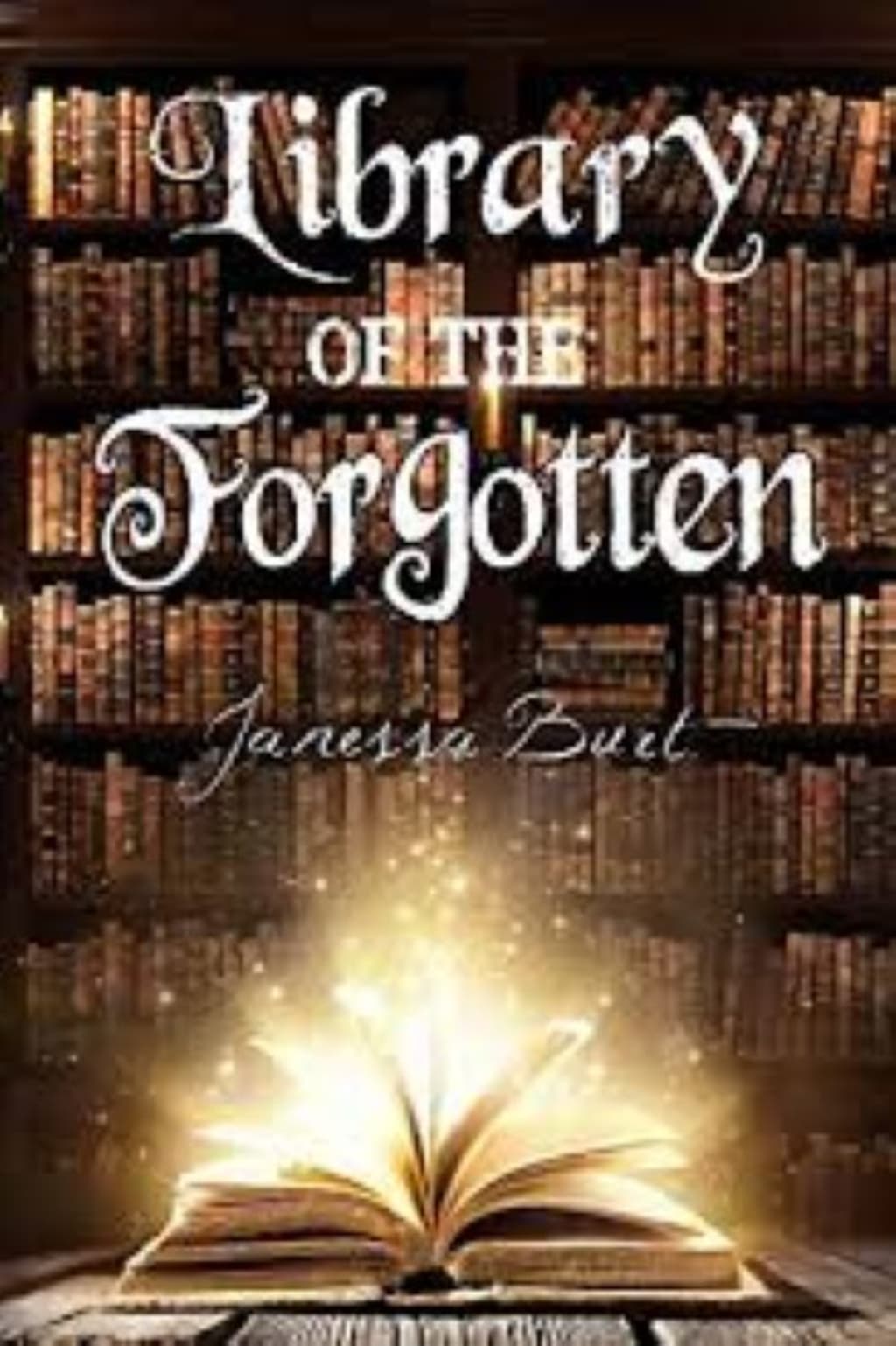
The Library of Forgotten Feelings
By Hamza khan
Most people don’t know it exists.
It’s tucked behind the alley where the florist once stood, past a rusted gate with no lock, beneath a canopy of vines that bloom only in winter. No one stumbles upon the Library of Forgotten Feelings unless they’re meant to. Or unless something inside them is too heavy to carry alone.
That’s how Mira found it—on a day she couldn’t stop crying, though she didn’t know why.
She had wandered past the alley on her way home, salt streaks drying on her cheeks. Her feet paused of their own accord, drawn by the strange stillness in the air. She turned and walked through the gate, vines brushing against her coat like familiar hands.
The door to the library was made of blackened wood, warped with age, but it opened easily. The air inside was warm, dust-sweet, and strangely alive. Shelves towered in every direction, filled not with books—but with jars. Thousands upon thousands of glass jars, each glowing faintly from within.
She stepped forward. Her boots made no sound.
At the front desk sat a librarian, a person who might have once been old, or young—it was hard to tell. Their eyes were clouded with stories.
“Welcome,” the librarian said, voice like wind over a lake. “Are you here to retrieve, or deposit?”
“I don’t… I don’t know,” Mira replied, blinking.
The librarian tilted their head, as though listening to something far off. “Your name is Mira Elsner. You have something here.”
They rose, gliding rather than walking, and beckoned Mira to follow.
They moved through aisle after aisle—jars of bottled rage, abandoned joy, caged jealousy, faded awe. Every human emotion was here, once felt and then forgotten, placed neatly on a shelf. Some glowed warm, others flickered like dying stars.
At last, the librarian stopped at a tall shelf labeled Grief, Deep, Unresolved.
They reached for a small jar, barely the size of a teacup. Inside, a soft purple light swirled gently, like smoke underwater.
“This is yours,” they said, handing it to her.
Mira held the jar in both hands. It was warm—like a heartbeat.
“When did I leave this here?” she asked.
“You were nine years old,” the librarian said. “Your father died. It was too much. So you came here—though you wouldn’t remember—and asked us to keep it for you.”
She stared at the swirling grief. She hadn’t thought of her father in years. Not really. His face was a blur now, his voice forgotten. There had always been a hollow space in her memory, but she’d learned to step around it.
“What happens if I open it?”
“You feel it. All of it.”
Mira hesitated. The weight of the jar seemed to grow heavier. Her fingers trembled.
“What if I can’t handle it?”
“You can,” the librarian said. “Or you wouldn’t have found your way back.”
She looked around. The shelves hummed softly with forgotten emotions—memories and moments that others had once buried. How many people had walked away lighter, emptier? Was it better, to forget? Or worse?
She turned the lid.
The grief hit her like a wave. It wasn’t loud or dramatic. It was quiet—devastating in its simplicity.
The scent of aftershave. The sound of his laughter when she asked too many questions. The way he used to toss her in the air and catch her like she was weightless. The hospital room. The beeping machines. The silence after.
Tears slipped down her cheeks.
The jar pulsed once, then dimmed.
When she looked inside, it was empty.
Mira stood in the library, holding the hollow jar to her chest, sobbing not just for her father—but for the child she had been. The one who had been too small to carry so much sorrow. The one who had left it here, hoping someone else would keep it safe.
The librarian placed a hand on her shoulder.
“You did well,” they said.
She wiped her eyes and laughed—a strange, hiccuping sound that felt new. Lighter.
“Can I leave something else here?” she asked.
The librarian nodded.
She reached into her coat pocket and pulled out a crumpled note. It was a letter from someone she used to love, someone who had broken her in ways she hadn’t allowed herself to feel. The paper trembled in her hands.
She folded it carefully, kissed it once, and handed it over.
The librarian placed it in a jar, sealed it, and slid it into a shelf marked Regret, Quiet.
As she left the library, the air felt different.
Not lighter, exactly. But more hers.
About the Creator
Keep reading
More stories from Hamza khan and writers in Fiction and other communities.
The Mirror Doesn't Lie, But It Forgets
The Mirror Doesn't Lie, But It Forgets By Hamza Khan It started with something small. A necklace—gold, delicate, with a tiny blue stone. Ada had never owned one like it, yet there it was, around the neck of her reflection as she brushed her teeth. For a moment she froze, staring. The real Ada, in her cotton T-shirt and tangled hair, was bare-necked. But her reflection wore the necklace like it belonged.
By Hamza khan7 months ago in Fiction
Whispers of the Forgotten Garden
The old garden had been abandoned for as long as anyone could remember. Once, it had been the pride of a sprawling estate on the outskirts of the city—lush flowers, singing birds, and fountains that sparkled like silver under the sunlight. But time had not been kind. The garden gates were rusted shut, ivy had crept over the marble statues, and the fountains had dried into cracked basins. No one ventured near it anymore.
By Sudais Zakwan4 days ago in Fiction
Rachel Reviews: Lunch Tales: Teagan by Lucille Guarino
Well, I did enjoy this! Sometimes, all you need is just great storytelling and this is what Lucille Guarino delivers here. There's no big message to this book; it's just about folks and families, living their lives and coping with everything that's being thrown at them and finding their way. But when it's done well, like it is here, then you have characters to whom you can relate, tension which leaves you rooting for a better outcome, attraction which has your heart racing and an urge, as a reader, to see the characters happy with the people with whom they belong.
By Rachel Deeminga day ago in BookClub

Comments
There are no comments for this story
Be the first to respond and start the conversation.