
The Last Door Closed
What Was Left Unsaid, He Wrote in Music

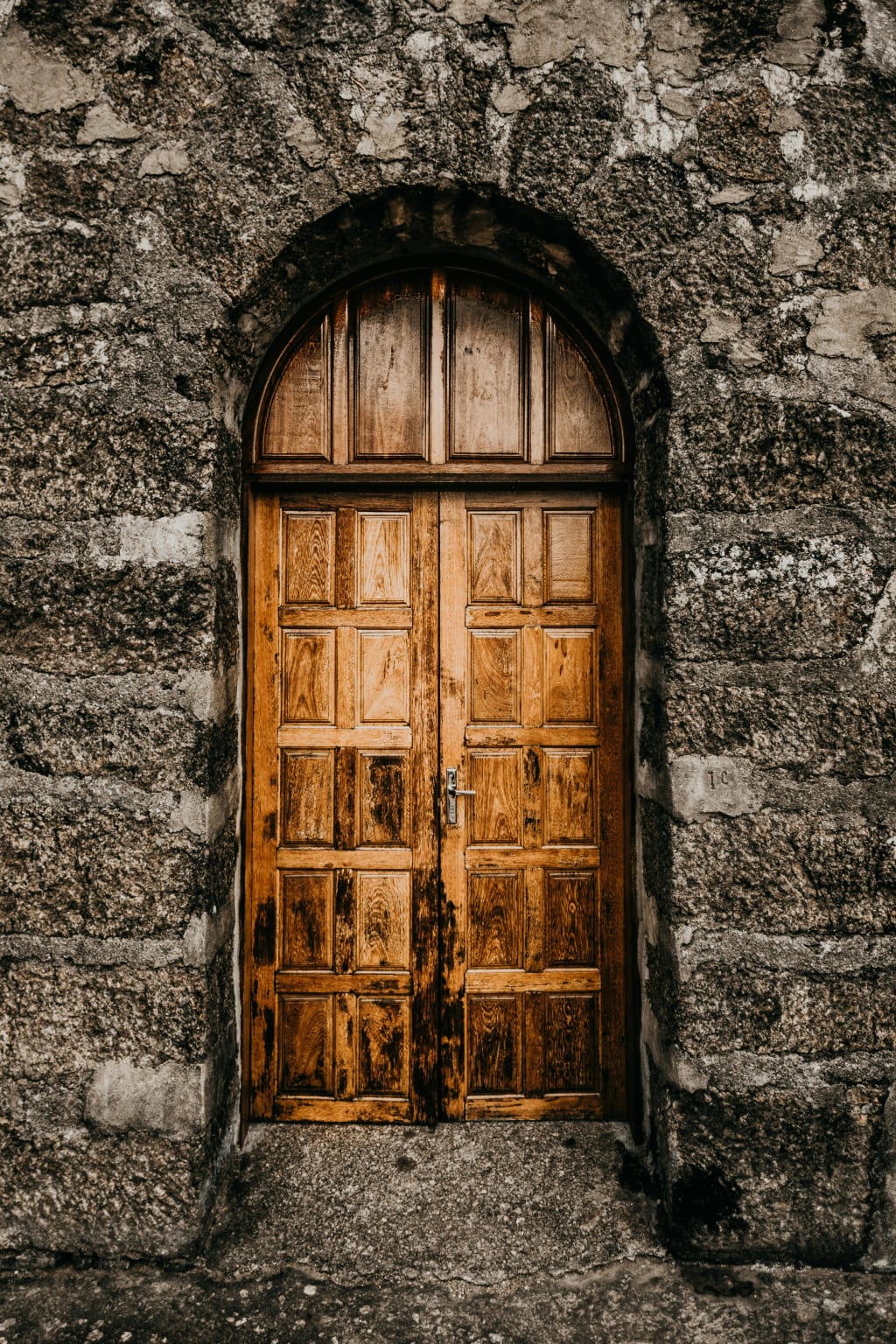
e house had been quiet for days, the kind of silence that presses against your chest like too much water in your lungs. Dust curled in the corners of the hallway, catching shafts of sunlight that still dared to visit. Maya stood at the top of the staircase, her hand resting lightly on the banister, staring at the door at the end of the hall.
The last door.
She hadn’t opened it in over a year. Downstairs, the kettle began to whistle, but she didn’t move. The sound was distant, barely a memory. Like his voice.
Leo had always been the heart of this house. Wild, brilliant, impulsive Leo. He had walked through life like it owed him something and somehow made you believe it might. Even when things got hard—especially when things got hard—he smiled wider, laughed louder, dreamed bigger.
Maya had been the opposite. Quiet. Measured. Focused. But he saw her. Not just saw, understood.
They met in college. She had been sitting in the library, headphones in, reading a neuroscience textbook. He tapped her shoulder and said, “You look like you’re trying to cure death. Mind if I join you?”
She laughed for the first time in days. Their love wasn’t the kind that exploded—it unfolded. Slowly, patiently, like flowers learning the shape of sunlight.
They married young. Too young, everyone said. But it worked. For a while.
Leo wanted to write music. Not just perform it—compose it. Live it. He would stay up for nights at a time, scribbling notes and humming melodies, chasing fragments of sound through the house like they were butterflies.
Maya supported him, at first. She worked long shifts at the hospital, sometimes overnight, saving lives while he chased his dream.
But dreams are expensive. Rent climbed. Bills piled. Studio time wasn’t free. And when she miscarried the first time, Leo was composing in Berlin. He sent flowers. She never opened the box.
The second miscarriage broke something in both of them. Maya buried it, like everything else. Leo drowned it in his music. Then came the silence between them. It wasn’t filled with anger—it was worse than that. It was filled with nothing. The last time she saw him, it was raining.
He’d come home from a recording session, eyes wide, voice trembling with excitement. He’d finally sold a score to an indie filmmaker. Not much money, but enough. “It’s happening,” he said, grabbing her hands. “Everything’s finally happening.” She didn’t smile.
She had just come from a twelve-hour shift, her shoes soaked, her back aching, her arms still trembling from losing a child on the operating table. She had nothing left to give.
“Leo,” she said, her voice flat, “I can’t do this anymore.”
He let go of her hands like they burned him. There were no dramatic fights. No screaming. No slamming doors.
Just a quiet dinner. A shared glass of wine. And then, in the morning, he packed his things.
He didn’t say goodbye. Just left a note:
“I’ll always love you. But I can’t keep being the reason you’re unhappy.” The call came six months later.
Maya had just gotten off a night shift. She ignored the unknown number at first. But something made her check the voicemail.
“This is Detective Sloan. I’m calling regarding Leo Hartley. Please call back as soon as possible.”
Her chest tightened. She sat down on the floor of her kitchen and listened again. And again. Leo had been found in his small studio apartment. Cause of death: fentanyl overdose. Intentional.
The note beside him was just one line:
“The music stopped.”
She didn’t cry at the funeral. Everyone told her how brave she was, how composed.
But it wasn’t composure. It was emptiness. Grief came later. In waves. Violent. Unforgiving. She tried to outrun it. Threw herself into work. Volunteered for more shifts. Avoided their old apartment like it was haunted—because it was.
But when the lease ended, she returned.
She told herself it was for closure. But really, it was punishment.
She cleaned the apartment methodically. Room by room. Closet by closet. Until everything that had once made it theirs was gone. Except for the last room.
Leo’s studio.
She kept that door shut. Now, a year later, she stood before it. The kettle had long gone quiet. Outside, the sun was setting, painting the hallway in gold and shadow.
Her fingers curled around the doorknob.
She turned it.
The door opened with a soft groan, as if waking from a long sleep.
The room was frozen in time. Stacks of sheet music covered the desk. Guitars leaned against the walls. A keyboard sat beneath the window, half-covered in dust. On the far wall, pinned like sacred offerings, were dozens of sticky notes—fragments of lyrics, melodies, random thoughts.
She stepped inside, the floor creaking beneath her. Her hand brushed over the desk, lifting a yellowed paper. Notes danced across the staves, delicate and beautiful.
And then she saw it.
A folder labeled: “For Maya.”
Her breath caught.
She opened it. Inside were pages of music. Lyrics. Personal notes. A letter.
“This was going to be your song. I wanted to give you something as beautiful as you made my life. I’m sorry I couldn’t finish it.” She sat down, her legs no longer able to hold her.
The melody was incomplete—but it was stunning. It began with soft piano, rising slowly, like dawn. The lyrics were raw, tender:
“Even the stars are quieter now, Since you stopped looking up.I tried to build a world for you—But I was never enough.” She cried then. Not for Leo. Not for the music. But for all the things left unsaid.
For the years they lost to silence. For the door she had never opened. She didn’t know how long she sat there, surrounded by his ghosts. But when she rose, something inside her had shifted.
She took the folder and placed it in her bag. Later that week, she walked into a small recording studio near downtown. She handed the music to the engineer and said, “I want to finish this.”
She wasn’t a musician. But she had heard him play it in fragments, in the dark, through walls. She knew it by heart. And with the help of others, she began to bring it to life. It took months.
But when the final note was recorded, she closed her eyes and listened.
It didn’t bring him back.
But it gave him a voice one last time.
A year later, on the anniversary of his death, she held a small gathering in the old apartment. Friends. Family. People who had known Leo, and people who never got the chance.
She played the song.
No speeches. No explanations.
Just music.
When it ended, no one clapped.
But no one moved either. The silence that followed was not empty this time.
It was sacred.
That night, she stood again in the hallway. The room was dark now, empty. The folder was gone, given to Leo’s parents.
She looked at the door.
And for the first time—
She closed it.
Not to forget.
But to begin.
The last door closed.
And the first window opened.
About the Creator
Sajid
I write stories inspired by my real-life struggles. From growing up in a village to overcoming language barriers and finding my voice, my writing reflects strength, growth, and truth—and speaks to the heart.
Lightning Never Strikes Twice
The distant rumble, the sudden deluge, the crescendo of sound, the flash of light, the explosive energy — it never gets old. I became an amateur storm chaser about two years ago. My wife, Cindy suggested it. Sort of. She said, "Alex, you know this cancer is killing me. I've come to terms with that, but you're smothering me. Go join a band, write a book, or become a storm chaser, for all I care. I love you, but you need a hobby."
By Julie Lacksonen6 days ago in Fiction
Review of 'Man on the Run'
My wife and I saw Man on the Run, a nearly 2-hour documentary on Amazon Prime, about Wings, Paul McCartney's group that flew around the world from shortly after The Beatles broke up in early 1970 to shortly after John Lennon was murdered at the end of 1980, making a Beatles reunion forever impossible.
By Paul Levinson6 days ago in Beat


Comments
There are no comments for this story
Be the first to respond and start the conversation.