
The Grim Reaper: The History of Death's Iconic Harbinger
Tracing the Enigmatic Evolution of the Grim Reaper

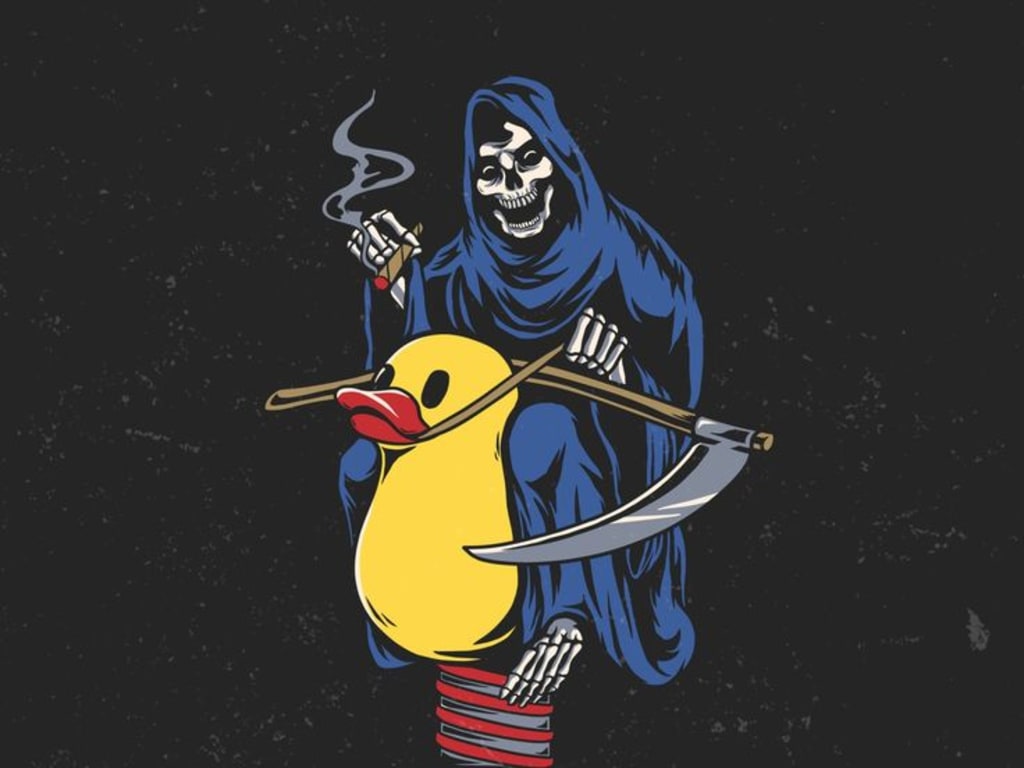
The Grim Reaper, an iconic and haunting figure that personifies death, has been a fixture of human imagination and cultural representation for centuries. Cloaked in darkness and wielding a scythe, this enigmatic harbinger of mortality has captured the human psyche and served as a symbolic reminder of life's inevitable end. The origins and evolution of the Grim Reaper reveal fascinating insights into our collective understanding of mortality, cultural beliefs, and the human quest to confront the mysteries of death.
Ancient Roots: The Seeds of Death Personified
The concept of death personified dates back to ancient civilizations. In Greek mythology, the deity Thanatos was often depicted as a winged figure escorting souls to the afterlife. Similarly, the ancient Egyptians revered Anubis, the jackal-headed god associated with mummification and guiding souls through the journey to the afterworld. These early depictions laid the groundwork for the development of the Grim Reaper.
Medieval Europe: The Emergence of Death's Harbinger
It was during the medieval period in Europe that the Grim Reaper as we recognize it today began to take shape. The bubonic plague, or Black Death, ravaged the continent, claiming millions of lives and casting a shadow of fear and uncertainty. In this backdrop of death and despair, artistic representations of a skeletal figure holding a scythe emerged, often depicted in the "Dance of Death" motifs. These depictions emphasized the universality of death and the impartiality with which it claims both rich and poor.
The scythe, a tool associated with harvesting crops, became a symbol of the Reaper's ability to "harvest" souls from the mortal realm. The cloak symbolized the shroud of darkness that death brings, shrouding life in its final moments.
Cultural Variances: Death's Many Faces
As the concept of the Grim Reaper traveled across cultures and time periods, it took on various forms and interpretations. In some cultures, death personification is portrayed as a benevolent figure, guiding souls to the afterlife with compassion. In others, it's a fearsome specter, invoking terror in those who encounter it. Mexico's Day of the Dead festivities, for instance, celebrate death as a natural part of life, where colorful skeletons and vibrant altars honor departed loved ones.
In literature, the Grim Reaper often appears as a character in allegorical works. In "The Masque of the Red Death" by Edgar Allan Poe, the masked figure symbolizes the inevitability of death in the face of an epidemic. This multifaceted representation underscores the complexity of humanity's relationship with mortality.
Modern Depictions: From Horror to Pop Culture
The Grim Reaper's image has been immortalized in modern media and pop culture. From horror films to video games, the Reaper has become a recognizable symbol of death's foreboding presence. However, these portrayals often strip away the nuances and cultural contexts that shaped the original concept.
In "The Seventh Seal," a classic film by Ingmar Bergman, the Reaper engages in a game of chess with a knight, exploring existential themes of life, death, and the search for meaning. Such interpretations remind us that the Grim Reaper is more than just a macabre figure; it's a representation of our shared mortality and the questions that arise from it.
Confronting Mortality: The Legacy of the Grim Reaper
The Grim Reaper's history reflects humanity's ongoing struggle to come to terms with the inevitability of death. Its evolution from ancient mythologies to contemporary culture showcases our need to externalize and personify death, enabling us to engage with a concept that is otherwise unfathomable.
In a world that often shies away from discussions of mortality, the Grim Reaper serves as a powerful reminder to cherish life and make the most of our time. It encourages us to reflect on our choices, values, and the legacies we leave behind.
Ultimately, the Grim Reaper is not just a harbinger of doom; it's a symbol that invites us to ponder the profound questions of existence. As long as humans ponder their place in the cosmos and the mysteries of life and death, the Grim Reaper will continue to stand as a sentinel of mortality, urging us to contemplate the fleeting nature of our existence and the journey that awaits us all.
About the Creator
Kobra
"Enter the dark and twisted world of the unknown I lead you through the shadows on a journey into the depths of the unknown."
"Uncovering darkness"
Miss Persephone's Manual to a Seemingly Ordinary Life
Miss Persephone was found at the dining table, her blue eyes swollen, her tears arriving and retreating like the tides of the ocean. Earlier that day, her family had visited her in the retirement home where she had lived for eight years. It was her eightieth birthday.
By Imola Tóth3 days ago in Fiction
Center Stage with Paul Stewart
*** I'm keen to republish the interviews I did for my series with Vocal creators. It's been a few years and I thought it might be nice to revisit these wonderful conversations. I'll be releasing them one at a time for a few weeks/months.
By Heather Hubler3 days ago in Interview



Comments
There are no comments for this story
Be the first to respond and start the conversation.