
The gardener's daughter
Unknowingly, she had surpassed childhood into being an adult. Everly held tightly to the knowledge that she had everything she'd ever wanted right in front of her.

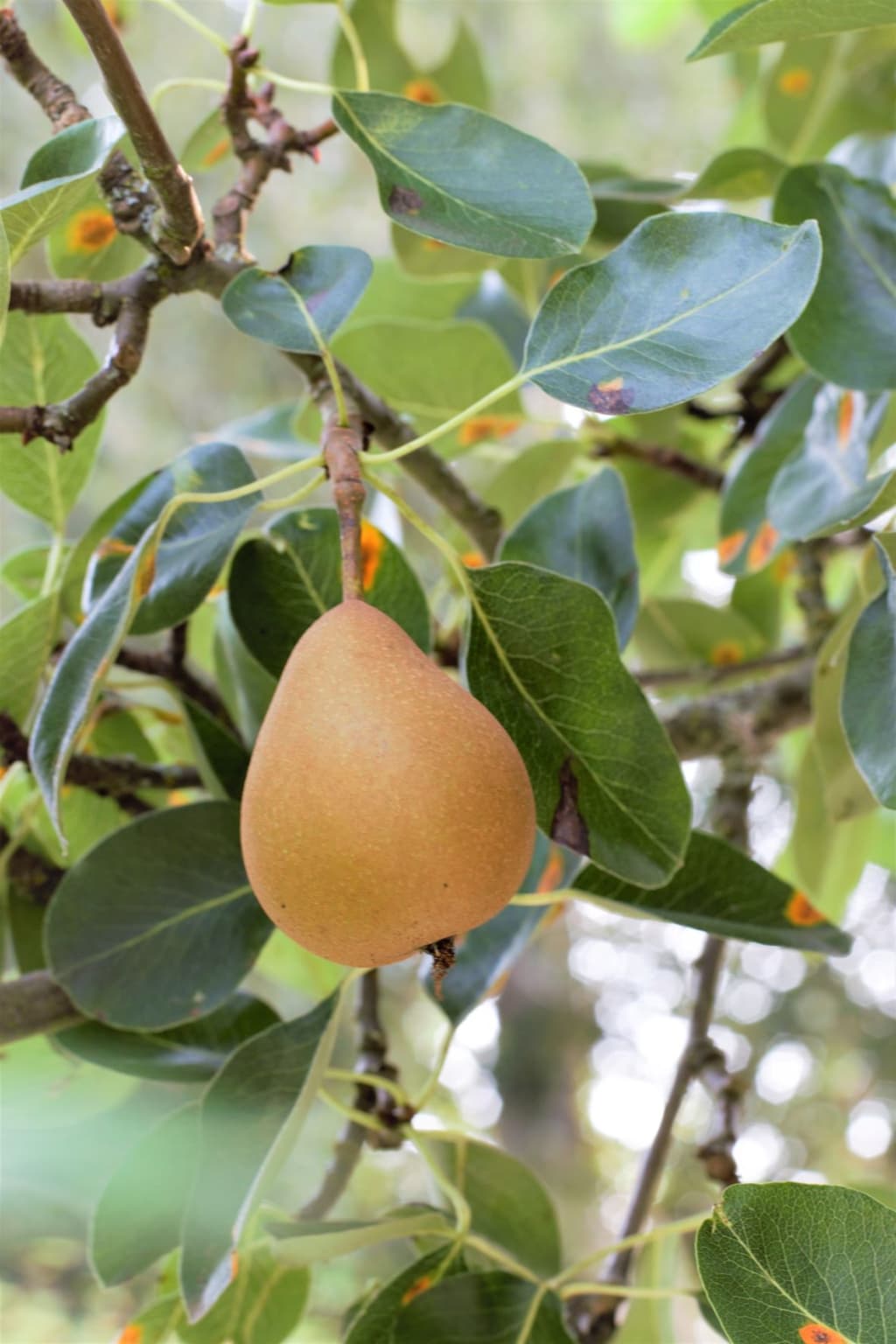
I remember the first time I saw the fruits of his labor, and it made me want to cry. I tried to pretend they would be tears of joy, that maybe it was a sign he was looking down on me; watching out for me, sending me this message that he was still here. But I couldn’t bring myself to feel anything at first. The sadness and emptiness that raked my body made me want to tear it apart, bark from flesh. Snap its arms like the twigs that they were.
My father died just after my twentieth birthday. Still a child, I thought. I didn’t know what I was doing or who I wanted to be. I just knew that I wanted to be anything other than what my father had been; or rather, what he could never be. We lived in a tiny garden house in a valley below the Connelly Manor, which sat atop the hill above us in the Pilchuck valley of northern Washington state. The Connelly’s were old money. My father had been the garden keeper for the Connelly’s since he was a young man and took over the job from his father, who’d taken it over from his father, and his father before that. I suppose looking at my lineage might make me feel inadequate, being a girl, but my father had never made me feel that way.
All I’d ever known was this rickety old house, with its worn-down stairs that gave way to the weight of the person who dared to step on its withered bones; with its single-pane windows that barely kept out the cold in the winter; the stained glass window above the kitchen sink my father and I made after I’d “accidentally” batted a rock through the window when I was upset he wouldn’t let me date the neighbor girl because he said I was too young; in the springtime, that stained glass let in the most ethereal rays of sunlight that you could almost feel the house sigh with contentment as it thawed itself out from the harsh conditions of the valley.
I had loved and hated this house with equal measure. I had watched my mother walk out the door with a single gateway suitcase, the lace trim of her nightgown poking out between the clasps, hurrying down the gravel walkway to the taxi that sat running, waiting for her; proof to me that she’d just gotten up one morning and decided to leave us. The rushed goodbye. That single tear falling down her cheek as if that was all she could muster when leaving the both of us behind. Her only family. My father was never the same, but he was always the strongest man I knew. Known, anyway.
We lived a simple life. And that was just right for my father. He rose with the sun and ended his day as it crept back down below the dip of the valley. He would walk down the hill to our little home as the glow from the setting sun hit the hill and lit it up in gold. His favorite time. He’d called it “the golden hour”. He knew the path so well, he’d walk it with his eyes closed, hands in his trousers and let that gold wash over him. I wondered at times what he saw behind those eyes, behind that golden glow. Those were some of my favorite memories of him.
For a simple man, my father was educated. The only time he ever escaped this place was to go to university. He insisted that I be educated too and spent his evenings after a full day of arduous labor, to read to me the literature “of the greats”, he said. I went to the public school in the valley; we couldn’t afford a tutor or the private school the Connelly’s sent their children to.
But I loved to listen to him talk. He was so animated and passionate about so many things. And I loved what he loved; I tried to, at least. Apart from my mother, his greatest love was gardening. And like my mother, the greatest disappointment was the pear tree that stood at the bottom of Connelly manor, in our little garden. A seed had been given to my father when he was a boy. The first thing he ever planted. He took care of it like his own child. And I can attest to it. He ensured it didn’t freeze every winter. He gave it all the proper water and nutrients to fortify itself; he planted it where it would get the most sunlight, and above all, love. He’d believed all living things were connected. The plants could feel us as much as we could feel them.
But for all the love and care he gave it the tree never produced a single piece of fruit. A beautiful tree it may have been, but its inability to produce a shred of evidence of the effort and care my father had put into it after all these years was yet another subtle disappointment in his life.
I sat below that very tree when my mother left us. Comforted by the one thing I knew would still be left standing, even after we were long gone. I used to sit below it every morning during the summers, off from school, I’d read every book in my father’s tiny library over and over again, until the pages started pulling away from the seams.
I stood below it and received my first kiss at 17 – I was a late bloomer – as my father switched the back porch light off and on to signal me to come inside. She went off to university a year later. I never saw her again. I sat below it finally when my father told me he too would be leaving me all too soon. I understood the tree in a different way. Its barrenness a reminder of the future loneliness that was creeping into my life.
Three years later, he was gone. I found myself thinking about the past as I sat below that tree again. The red, metal bench that had practically set in roots beneath that tree had conformed to the shape of my body. I sat in the same spot as I had so many times before, reading, thinking, crying, laughing.
This time, I was waiting. I looked up at the underside of the matte leaves and watched them dance in the cool breeze of the summer morning in the valley. It was uncommonly cool for late August, and the wind kicked up the dew in the tall grass beyond our little garden. I clenched the edge of the bench, but the coldness of the metal bit into my skin even more. I didn’t want to move. I felt the etchings of where my father had carved my name into the metal, declaring this spot mine. Everly. I traced every letter. But what kept me there, fighting the morning chill, was not the memories of putting that bench in. It wasn’t the teardrop leaves waving in the morning rays of sun, promising the world a warmer day than the last.
Poking through the branches and the leaves, no more than twenty feet up, hung a single, ripening pear, caressed by the breeze, begging to be picked. It was then my father’s estate attorney arrived, Mr. Jones, practically nearing 90 and astonishingly spritely as he made his way down the hill, he dragged my attention away from this tiny little miracle. His stay was brief, but his words had left me with an understanding of my father I never knew I’d needed.
The little garden house I’d fought with for so long, loving and hating it, wondering why my father stayed; wondering what had kept him here after so much pain. To my astonishment, he owned it. He owned the entire land that the Connelly’s mansion sat upon. My great-great-great grandfather had rented a portion of the land to his best friend, who built the Connelly’s mansion and was satisfied to live on the same land, never wanting more of it for himself. The land had been passed down through every male in my family, with the same agreement with the Connelly’s, to live on and rent the land their mansion sat upon.
That is, until I was born. And my father had left it all. To me.
So, I sat there for what felt like a very long time. Staring up at that single pear, as it hung there, celebrating, and mocking me in tandem. I tried to think about everything, and nothing at all. I stared in wonder at that little fruit, pale in the morning light. What I thought of, was the note my father had left for me, a quote he’d lived by and had repeated to me so many times that I knew it by heart: He is richest who is content with the least, for content is the wealth of nature.
Long after Mr. Jones had left me with the last will and testament of my father still clutched in my hands, the sun coming up over the top of the hill, I walked back inside the garden house. I grabbed my father’s sun hat, his garden tools, and slipped on my old working boots and set up the knobby hill towards the Connelly’s mansion, leaving that one, single pear ripening on its branch for another day.
About the Creator
Stephanie L. Moreau
Just a girl trying to make magic in a world that's forgotten.
Reader insights
Outstanding
Excellent work. Looking forward to reading more!
Top insights
Compelling and original writing
Creative use of language & vocab
Easy to read and follow
Well-structured & engaging content
Excellent storytelling
Original narrative & well developed characters
Eye opening
Niche topic & fresh perspectives
Heartfelt and relatable
The story invoked strong personal emotions
Keep reading
More stories from Stephanie L. Moreau and writers in Fiction and other communities.
Childers Grove
I stood atop of the bluff above the sea. The mist rolled off the ocean mixing with the smoke from the wildfires. None of the rays from the setting sun seemed to penetrate its wall. The sky was turning an eerie orange. What should’ve been a hot August evening was growing cold and a chill set in on my skin as I watched the mist and smoke curling.
By Stephanie L. Moreau6 months ago in Fiction
🅼🅸🅳🅽🅸🅶🅷🆃 🆂🅽🅰🅲🅺🆂
"It's 10 in Tuscon! We all know what that means... It's Time for Midnight Snacks with your man, Gerald Gee! Ready to spend the night together? Me too! I'm full of snacks and can't wait to regurgitate them all back into your hungry ears. Crack a brew! Pop some corn! Anything to get ready for one hell of a show where the talk maybe cheap but the words cut deep...
By Lamar Wiggins8 days ago in Fiction


Comments
There are no comments for this story
Be the first to respond and start the conversation.