
The Future of Remote Work: Embracing Flexibility and Innovation
How Remote Work is Transforming Professional Dynamics and Enhancing Work-Life Balance

In the evolving landscape of the modern workplace, remote work has shifted from being a temporary solution to a permanent fixture in the professional world. This transformation is not merely a response to recent global events but a reflection of a broader shift toward more flexible and innovative work environments. As we look ahead, it’s evident that remote work is here to stay, driven by its inherent flexibility and the rapid pace of technological advancement.
Redefining the Workspace
The traditional office, once considered the epicenter of productivity, is no longer the only place where work gets done. Remote work has fundamentally altered our understanding of the workplace, breaking down physical barriers and creating a more dynamic work environment. The flexibility to work from anywhere has prompted companies to rethink their office space needs and invest in digital tools that facilitate seamless remote collaboration.
Flexibility: A Game Changer
One of the most significant benefits of remote work is the unparalleled flexibility it offers. Employees no longer need to conform to rigid 9-to-5 schedules or endure long commutes. Instead, they can design their workday around personal needs and peak productivity times. This flexibility leads to improved work-life balance, which in turn enhances job satisfaction and reduces burnout. For employers, offering flexible work options is increasingly seen as a competitive advantage, helping to attract and retain top talent in a competitive job market.
Technological Innovation
The success of remote work is closely tied to technological advancements. The proliferation of video conferencing tools, project management software, and cloud-based solutions has made it easier for teams to stay connected and collaborate effectively, regardless of their physical location. Emerging technologies like virtual reality (VR) and augmented reality (AR) are poised to further revolutionize remote work by creating immersive virtual environments that mimic in-person interactions. Additionally, artificial intelligence (AI) is playing a pivotal role in automating routine tasks, enhancing decision-making, and providing data-driven insights, which allows employees to focus on more strategic and creative aspects of their roles.
Addressing Challenges
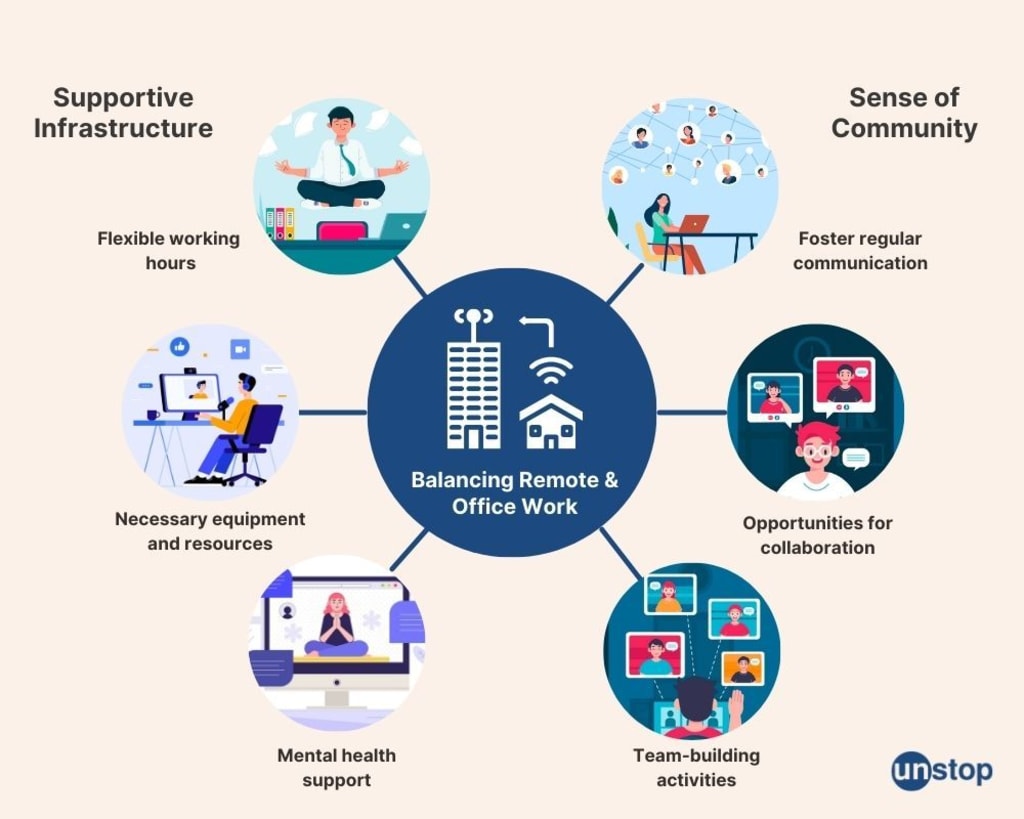
Despite its many advantages, remote work comes with its own set of challenges. Issues such as feelings of isolation, communication breakdowns, and the blurring of boundaries between work and personal life need to be addressed proactively. Companies are implementing various strategies to tackle these challenges, such as regular virtual check-ins, team-building activities, and providing resources for mental health support. Establishing clear communication channels and setting expectations around availability and response times are also crucial in maintaining productivity and team cohesion.
The Path Forward
Looking ahead, the future of remote work will continue to evolve as companies and employees adapt to new ways of working. The emphasis will likely be on finding a balance between flexibility and structure, ensuring that remote work arrangements are sustainable and beneficial for both individuals and organizations. Organizations that invest in the latest technologies and foster a culture of flexibility and innovation will be better positioned to thrive in this new era of work.
Moreover, as remote work becomes increasingly integrated into mainstream business practices, there will be a greater focus on developing policies and frameworks that support diverse and inclusive remote work environments. This includes addressing issues such as equitable access to technology, ensuring fair compensation, and creating opportunities for career development regardless of physical location.
Conclusion
The future of remote work holds exciting possibilities. By embracing flexibility and harnessing the power of technological innovation, both employees and employers can benefit from a more adaptable and dynamic work environment. As remote work becomes a staple of the modern workplace, it’s essential to continue evolving and addressing the challenges that arise, ensuring that this new way of working enhances productivity and overall job satisfaction.
About the Creator
Keep reading
More stories from Muhammad Waheed Asghar and writers in Fiction and other communities.
The Bond Between Humans and Dogs: Why Are Humans So Similar to Dogs?
For centuries, humans and dogs have shared a special bond. Dogs, often referred to as "man's best friend," hold a unique place in our hearts and homes. But have you ever wondered why humans and dogs are so alike? This article delves into the key similarities that have made dogs such close companions to humans.
By Muhammad Waheed Asgharabout a year ago in Fiction
Becca
"Everything is so... flat." Denille said stupidly as she looked around her new neighborhood. She looked around at the muted desert where even the smallest sign of life seemed to have given up. The plant life was shrubs that were half cooked by the heat and where there should have been a lawn, a mess of white rocks laid glistening in the sun. Even the sky looked stretched thin, like the sun had ironed it smooth. She’d moved from Riverside, where at least there were hills, but here in Barstow, everything felt baked and brittle.
By Sara Wilson5 days ago in Fiction
Do Snails Like Beer ?
The Last Drink One damp evening I stood in my garden looking at the damage again. My lettuce leaves were full of holes, and the shiny silver trails told the same old story. The snails had been busy during the night. Sometimes it feels as though the garden belongs to them more than it belongs to me.
By George’s Girl 2026 2 days ago in Fiction


Comments
There are no comments for this story
Be the first to respond and start the conversation.