
The Dream of a Nature City
Where Urban Life and the Beauty of Nature Live in Harmony

The Dream of a Nature City
Where Urban Life Meets the Harmony of Nature
Introduction: A City Shaped by Green Dreams
In today’s world, where concrete jungles dominate skylines and the noise of vehicles fills the air, the idea of a nature city feels like a breath of fresh air. A nature city is not just a place of buildings and roads—it is a city where nature and human life coexist in perfect balance. Trees, rivers, gardens, and clean air form the backbone of such a city, while sustainable living guides its growth. The beauty of a nature city lies not only in its scenery but also in the healthy, peaceful life it provides to its people.
Lush Greenery and Clean Air
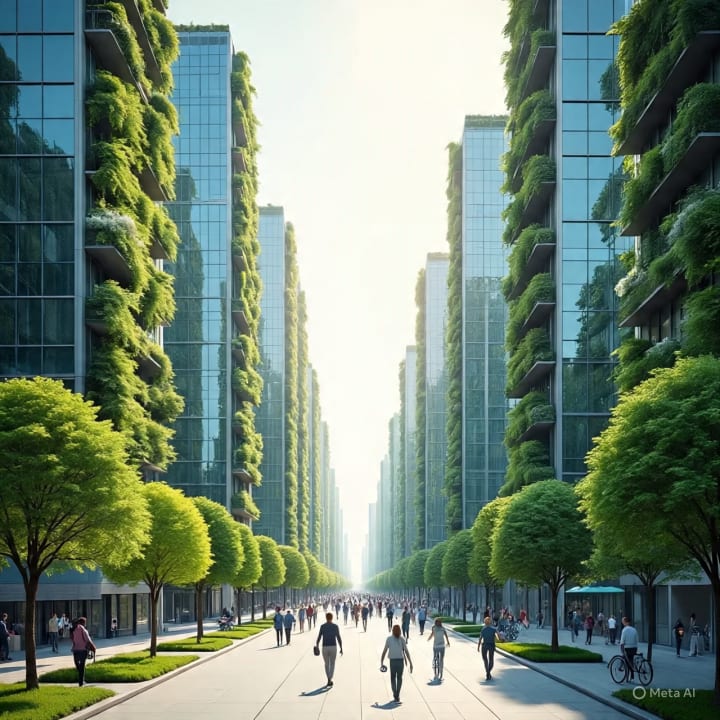
Imagine a city where every street is lined with tall trees, where parks bloom with flowers of every color, and where the air is pure and refreshing. This is the essence of a nature city. Green belts surround the roads, rooftops are covered with gardens, and every neighborhood has its own park. Instead of choking smoke, the city breathes with the fragrance of flowers and the freshness of rain-soaked soil. Such greenery not only adds beauty but also plays a vital role in reducing pollution and keeping the environment clean.
Rivers, Lakes, and Waterways
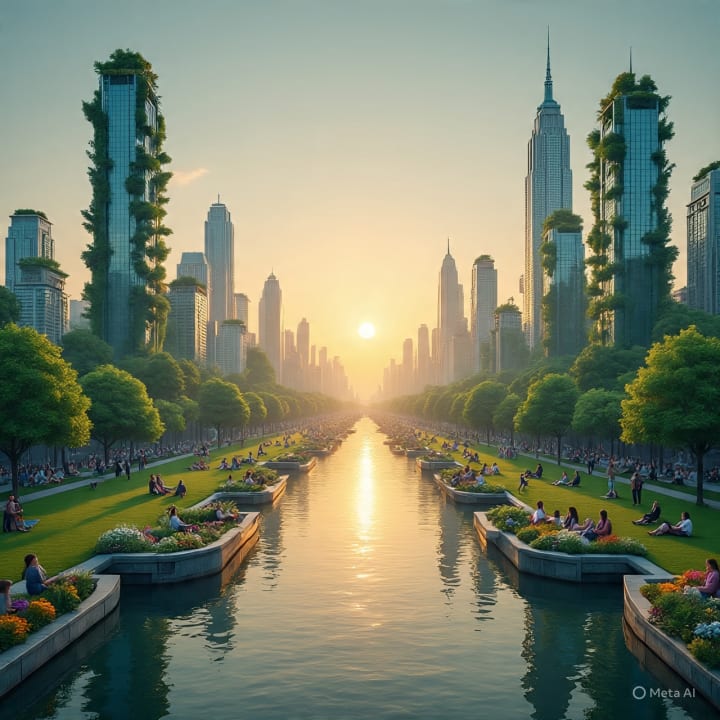
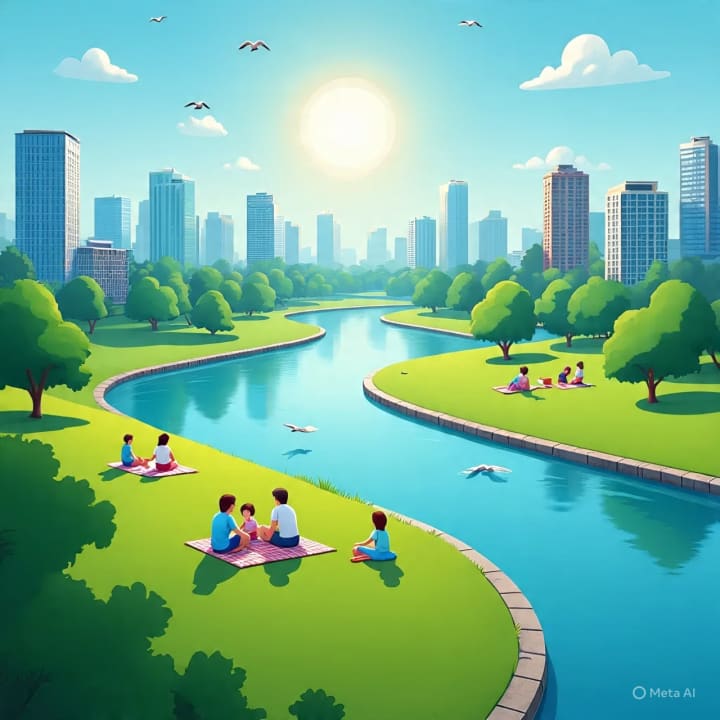
A nature city is incomplete without water. Flowing rivers, sparkling lakes, and small waterways running through the city add a sense of calmness and life. People walk along clean riverbanks, children play near lakes, and families gather for picnics beside water fountains. The presence of water also helps keep the climate cool and the soil fertile. Birds and animals thrive around these water sources, creating a perfect balance of biodiversity inside the city.
Sustainable Architecture
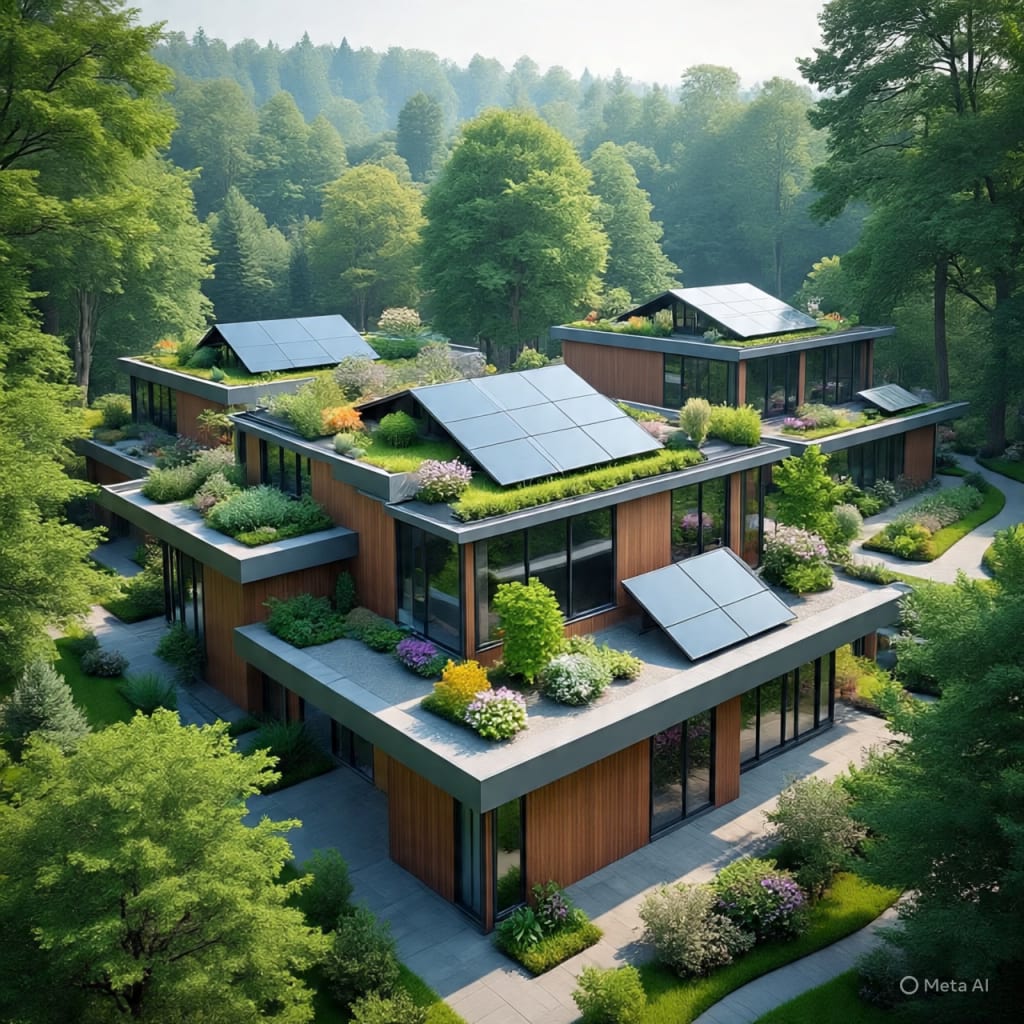
In a nature city, buildings are designed not to block nature but to blend with it. Houses and offices have large windows that allow sunlight and fresh air to enter freely. Rooftop gardens and vertical forests cover tall buildings, giving them a soft, green look. Solar panels are installed to generate clean energy, and rainwater harvesting systems provide fresh water. Instead of destroying the environment, the architecture of such a city protects and preserves it.
Transportation in Harmony with Nature
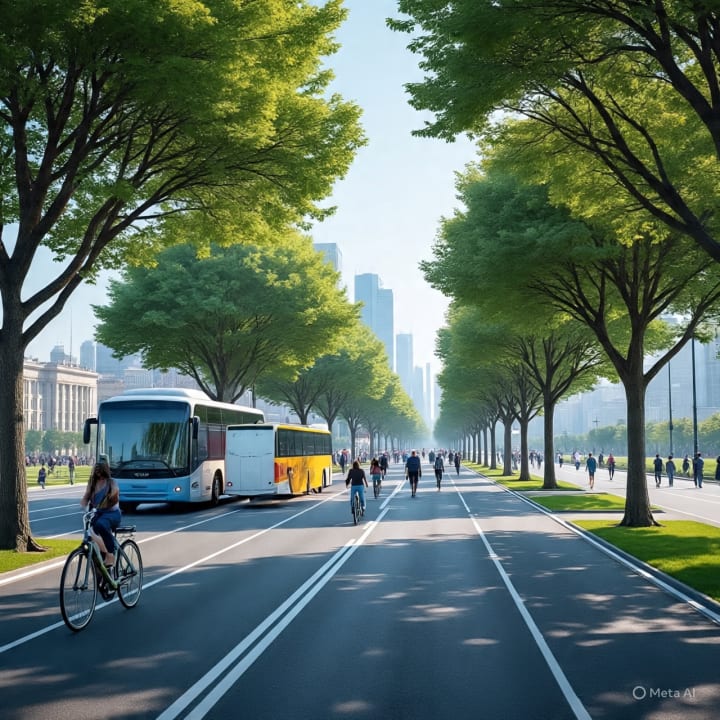
Noise and smoke from heavy traffic are among the biggest problems of modern cities. But in a nature city, transportation is designed with the environment in mind. People prefer walking, cycling, or using eco-friendly buses and electric vehicles. Wide bicycle lanes run parallel to roads, while footpaths are shaded with trees to encourage walking. Public transportation is efficient and affordable, so fewer people depend on private cars. This not only reduces air pollution but also makes the city quieter and safer.
Wildlife and Natural Habitats
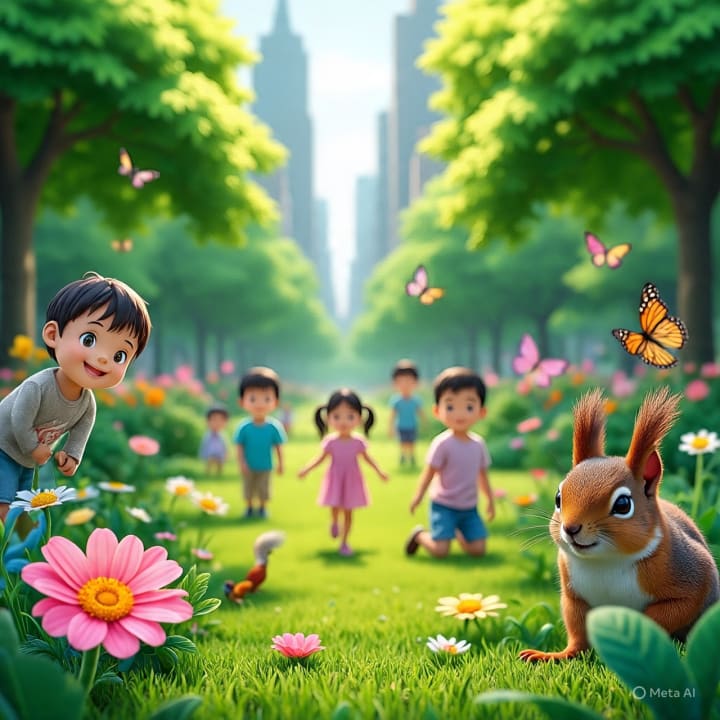
Unlike modern cities where animals are pushed away, a nature city provides space for wildlife. Parks and green zones become homes for birds, butterflies, squirrels, and even deer. Special areas are reserved for natural habitats where animals and humans can coexist without fear. The sound of birds singing in the morning replaces the noise of horns, giving the city a unique charm.
Culture and Community Life
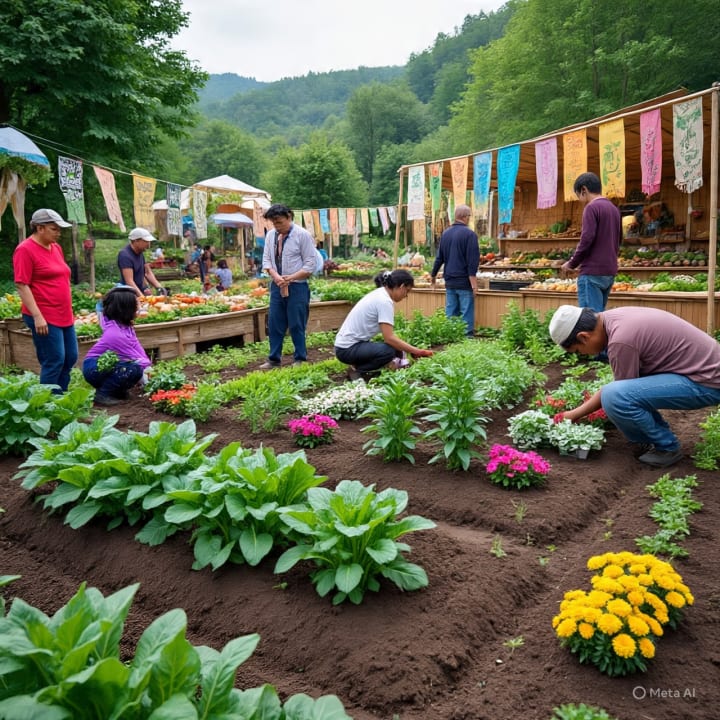
Beyond physical beauty, the heart of a nature city lies in the lifestyle of its people. Community gardens bring neighbors together, where they grow fruits and vegetables collectively. Weekly markets sell organic produce, handmade goods, and local crafts, keeping traditions alive. Festivals celebrate not just culture but also the cycles of nature, such as spring blooms, harvest time, or the arrival of monsoon rains. People in such a city feel connected not only to each other but also to the land that sustains them.
Peace, Health, and Happiness
The greatest gift of a nature city is the health and peace it offers. With clean air to breathe, fresh food to eat, and natural spaces to relax, people live longer and healthier lives. Stress levels are reduced when one can simply walk into a park, sit by a lake, or listen to the rustle of leaves. Children grow up close to nature, learning to value and respect the environment. Elderly people find comfort in the calmness of the surroundings. Happiness in a nature city does not come from wealth or technology—it comes from living in harmony with nature.
Conclusion: A Vision Worth Building
The concept of nature city is not just a dream; it is a necessity for the future. s climate change and pollution threaten our world, building cities hat are green, sustainable, and nature-friendly has become essential. A nature city shows us that development and nature can walk hand in hand. It proves that modern life does not have to mean grey concrete and polluted skies, but can instead be full of coeauty.
A nature city is not only a place—it is a way of living. It is a promise to protect our planet while providing a better quality of life for generations to come. If we embrace this vision, our future cities can truly become havens of peace, beauty, and harmony with nature.
✨
About the Creator
Keep reading
More stories from MoneyOrbit and writers in Fiction and other communities.
The Hidden Beauty of Sarozai Hangu
The Hidden Beauty of Sarozai Hangu: A Gem in Khyber Pakhtunkhwa Introduction: A Land of Natural Charm Nestled in the district of Hangu, Khyber Pakhtunkhwa, Sarozai is a place that many may not have heard of, yet those who have visited can never forget its charm. This small but culturally rich city is surrounded by rolling hills, fertile lands, and the warmth of its people. Far from the noise of metropolitan centers, Sarozai offers a unique blend of natural beauty, tradition, and simplicity that captures the heart of every traveler.
By MoneyOrbit5 months ago in Fiction
Miss Persephone's Manual to a Seemingly Ordinary Life
Miss Persephone was found at the dining table, her blue eyes swollen, her tears arriving and retreating like the tides of the ocean. Earlier that day, her family had visited her in the retirement home where she had lived for eight years. It was her eightieth birthday.
By Imola Tóth2 days ago in Fiction
The Devil's Cut
“Comrade, finally you’re awake.” The voice was smooth, sensual. A flickering incandescent bar was all that lit the white, sterile room. All Vladimir remembered was everything going black. He tried to move his arms and found them strapped to the gurney.
By Matthew J. Fromm3 days ago in Fiction
A Dart at Dusk
Seconds ago, the sullen sun set on the two of us… my exuberant furry companion and me. A fresh breeze embraces us, delivering welcome relief from the day’s oppressive heat. His typical stumbling and staggering along — apace with a sloth — has turned into trip-trapping, high-stepping, almost skipping along.
By Angie the Archivist 📚🪶3 days ago in Petlife


Comments
There are no comments for this story
Be the first to respond and start the conversation.