
The Day the World Stopped Using Mirrors
When reflections vanished, humanity saw itself differently

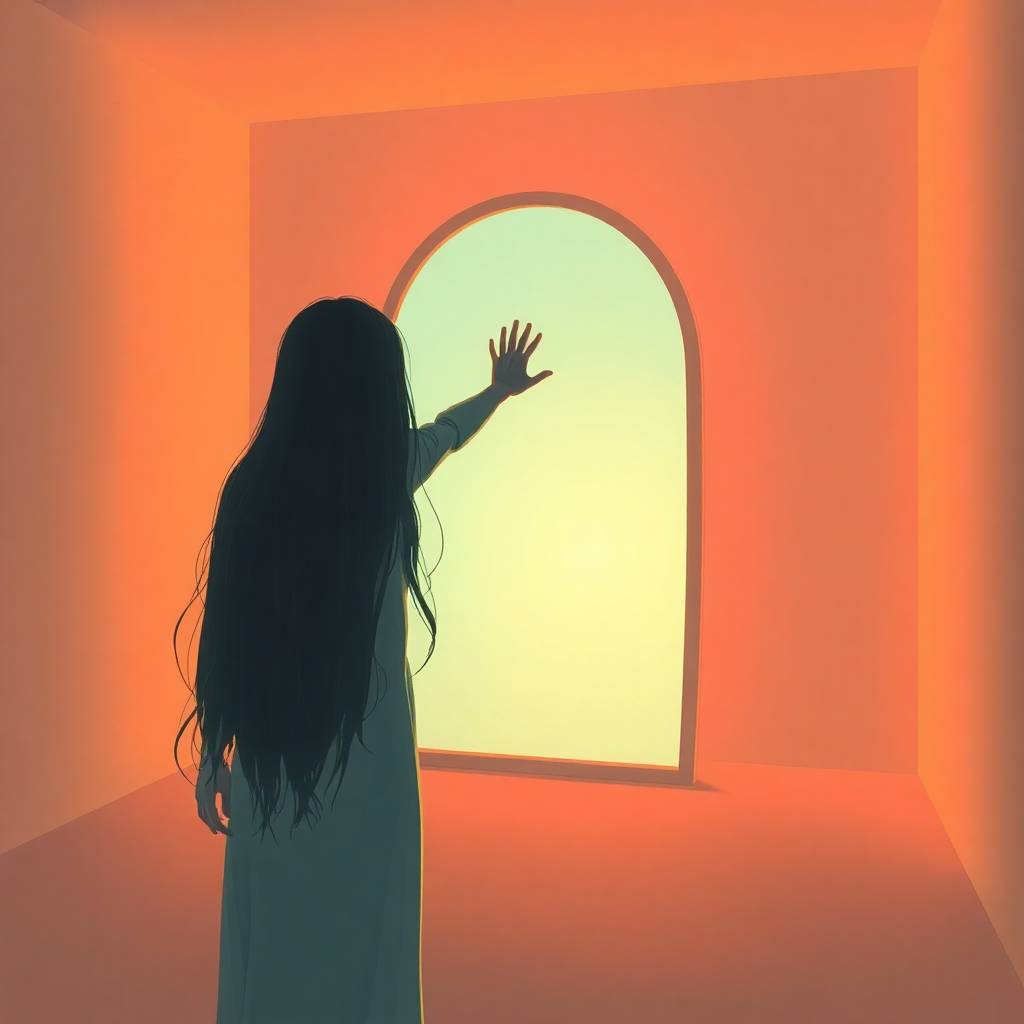
It began on a morning like any other. People rose from their beds, shuffled to their bathrooms, and discovered that their mirrors no longer worked. Not cracked, not clouded, not broken — simply blank. Glass still shined, but it reflected nothing. You could press your palm against it and see only the dim outline of your hand through the glass, like pressing against a window at night.
At first, panic spread. Car windows refused to show drivers. Shoppers couldn’t check their appearance in store mirrors. Still water in lakes and puddles gave no hint of the sky or the faces peering down into them. News reports ran non-stop, but scientists had no explanation. The world had simply lost its reflections.
In the days that followed, the absence reshaped life in surprising ways. Cosmetic companies scrambled, entire industries collapsed. Makeup counters became ghost towns overnight. Clothing brands discovered that without mirrors, trends shifted. People stopped dressing for themselves and began dressing to impress the eyes of others. Compliments mattered more than labels.
The change hit hardest in schools. Teenagers, once chained to bathroom mirrors, now leaned heavily on words. "Your hair looks good today" carried a new weight when you couldn’t verify it yourself. For some, it was a relief — the daily ritual of checking flaws dissolved. For others, insecurity only deepened, fed by doubt and the fear that others lied out of pity.
The narrator — me — felt the shift like a quiet freedom. I had spent years dodging my own reflection, dreading the way the mirror showed every imperfection I wanted to hide. Without mirrors, I felt lighter, unburdened. The absence of my own face meant the absence of constant judgment.
But society’s adjustments ran deeper. Courtrooms faced new challenges. Without mirrors, disguises became more effective, though security cameras still worked. Drivers learned to rely solely on technology; car companies rushed to develop new blind spot systems. Hair salons became strange places where trust mattered more than ever. Customers sat in chairs without any control over the outcome. Stylists swore they gave their best, but the proof came only from friends’ reactions afterward.
Some called it a curse. Religious leaders declared it punishment, a stripping away of vanity. Others called it a blessing, a divine push toward humility. Protestors marched with signs reading, "Bring Back the Glass," while others carried slogans like, "No Reflections, True Freedom."
For me, the strangest part came at night. I had grown used to catching my reflection in darkened windows or shiny surfaces, that sudden recognition of myself watching myself. Now, the windows looked like portals into nothing. It left me disoriented, as though I were invisible in half the world.
Weeks passed. Humanity adjusted, as it always does. Fashion blogs turned into descriptive essays. Dating profiles leaned heavily on words, no longer supported by a handful of selfies. Photographs still worked, but looking at a frozen image didn’t feel the same as watching your face move in glass. Something essential had been taken, something fluid and alive.
One evening, walking past the empty storefront of a beauty shop, I stopped. The mirrors inside stood silent, reflecting no one. For the first time in my life, I didn’t feel the urge to check myself. Instead, I imagined what it must have been like centuries ago, before glassmakers perfected reflection. Back then, people relied on each other, on description, on voice, on touch. Perhaps we had come full circle.
Before leaving, I whispered to the blank mirror. Not to see myself, but to leave a message behind. "I hope you’re happier without me." My voice sounded small in the silence, but it felt true.
The world had lost its reflections, yet in their absence, I found something sharper than any mirror had ever shown me: the simple truth that who I am depends less on glass and more on the eyes that look back at me — and the words they choose to say.
About the Creator
Keep reading
More stories from arsalan ahmad and writers in Fiction and other communities.
The Café Where Time Stood Still
The rain was relentless that afternoon, washing the streets in silvery streaks that reflected neon signs and hurried umbrellas. I ducked into a narrow alley, hoping for a shortcut, when I saw it: a small café tucked between two tall buildings, almost as if it had been hiding from the world. Its sign read simply “Café Temps.”
By arsalan ahmad6 months ago in Fiction


Comments
There are no comments for this story
Be the first to respond and start the conversation.